Los Angeles, California
Los Feliz Murder Mansion: A Mid-Century Time Capsule of Tragedy
Los Angeles, California, United States
By the Wicked Cool Places editors · Published
Why it’s cool
This hilltop estate became a frozen moment in time after a 1959 tragedy. For over sixty years, the house held its original mid-century furniture and Christmas decor, visible only through dusty windows.
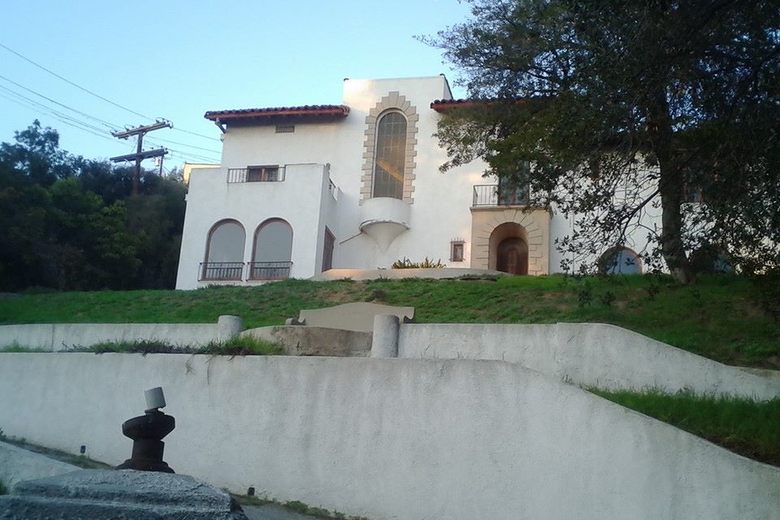
Perched on a quiet hilltop in the Los Feliz neighborhood of Los Angeles, a 5,050-square-foot mansion stood as a grim monument to a single night for over half a century. The property became infamous following the tragedy on December 6, 1959.
That evening, Dr. Harold Perelson committed a violent assault against his family before taking his own life.
While his three children survived, the house itself seemed to die with the doctor.
Why It Stands Out
What makes this Spanish Colonial Revival home truly unsettling is not just its history, but its preservation. Following the tragedy, the mansion was sold in 1960 to Emily and Julian Enriquez.
Rather than moving in, the couple used the massive residence exclusively for storage. They were often seen bringing boxes inside, but they never spent a single night there.
When their son Rudy inherited the property in 1994, he maintained this strange tradition. He left the interior exactly as the Perelsons had left it.
For decades, curious onlookers peering through the grimy windows could see a living room frozen in the late 1950s. Nearby, The Echo Park Time Travel Mart also explores themes of different eras.
A vintage television set sat in the corner, and a Christmas tree remained standing, surrounded by neatly wrapped gifts that were never opened. Dust coated every surface, but the furniture remained in its original arrangement.
The house became a local legend, attracting trespassers and rumors of hauntings. The Stay On Main Hotel is another local site with a similarly dark history.
One visitor even claimed to be bitten by a spider while attempting to enter the decaying structure. While the exterior crumbled and neighbors helped maintain the grounds, the heart of the home stayed locked in 1959.
The Old Zoo Picnic Area is another nearby location where ruins of the past are preserved.
Before You Go
The era of the mansion as a stagnant time capsule has recently come to an end. In late 2020, the property was sold for over two million dollars to an investor with plans for a full renovation.
While you can still view the exterior from the street, the interior mysteries have been documented by researchers and filmmakers. A 2021 podcast series provides a deep investigation into the court documents and crime scene photos that define the legacy of the Perelson family.
Questions worth answering
What happened inside the house in 1959?
Dr. Harold Perelson attacked his family on December 6 before ending his own life. His three children lived through the night, but the home was never inhabited again.
Why was the interior famous for so long?
The mansion functioned as a massive storage unit for the Enriquez family. They kept the 1950s furniture and unopened Christmas presents exactly where the Perelsons left them for over sixty years.
Can I go inside to see the vintage furniture today?
The era of the frozen time capsule is over. An investor bought the property in 2020 for more than two million dollars to start a complete renovation.
Is there a way to learn more about the crime scene details?
A podcast from 2021 covers the family legacy using court records and old photos. You can also view the Spanish Colonial Revival exterior from the sidewalk.
More in West Coast
All West Coast places →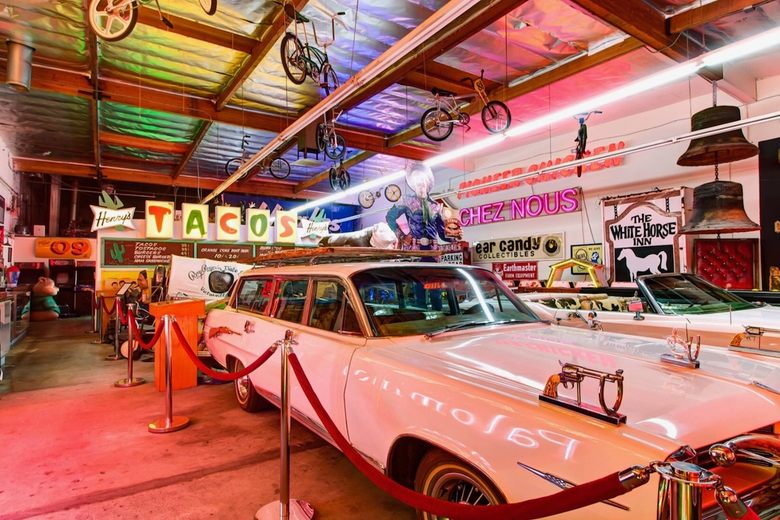
Valley Relics Museum
Los Angeles, California
This massive warehouse preserves the neon glow and pop culture debris of the San Fernando Valley, featuring everything from towering restaurant signs to customized classic cars.
‘Urban Light’
Los Angeles, California
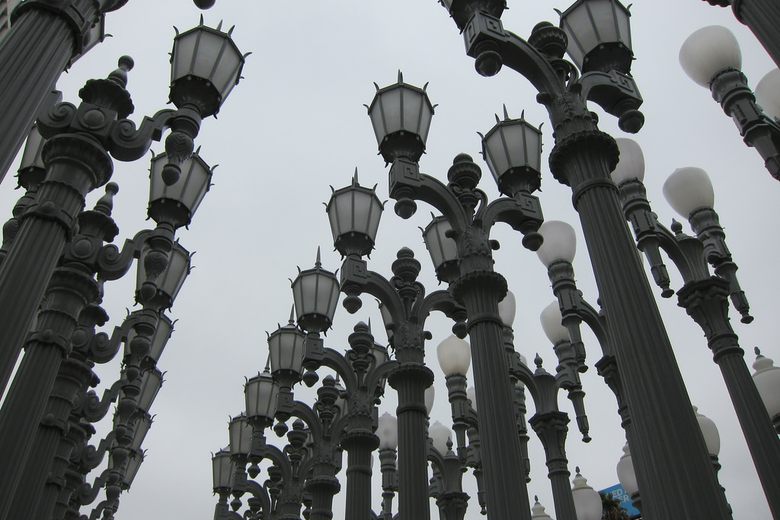
This massive assembly of 202 antique street lamps transforms a busy Los Angeles sidewalk into a glowing, neoclassical forest of steel and light.
Watts Towers
Los Angeles, California
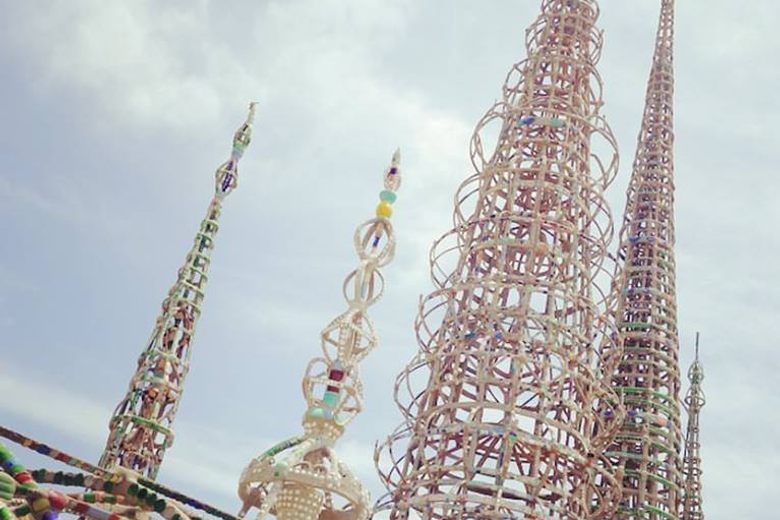
This sprawling complex of 17 steel-and-mortar spires was hand-built by a single immigrant laborer over three decades. Using discarded tiles and sea shells, Simon Rodia transformed a suburban lot into a world-renowned monument of vernacular architecture.