Los Angeles Urban Ruins
Old Zoo Picnic Area: Dine Inside Griffith Park's Abandoned Cages
Los Angeles, California, United States
By the Wicked Cool Places editors · Published · Updated
Why it’s cool
This former menagerie offers the rare chance to step inside historic bear grottos and lion dens, turning once-stifling animal enclosures into a surreal setting for a public park lunch.
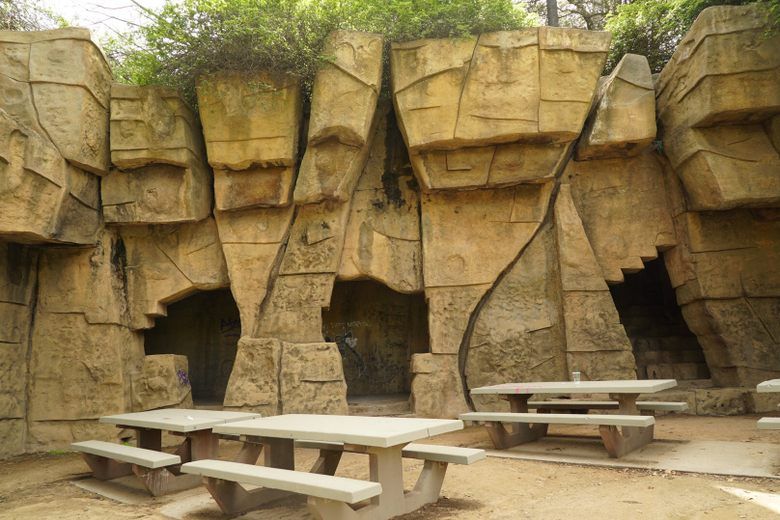
Deep within the sprawling greenery of Griffith Park, the echoes of a former menagerie linger among stone walls and rusted iron. This isn't your typical park pavilion; here, the picnic tables are tucked inside the very grottos that once housed apex predators, offering a surreal role-reversal where humans now occupy the cages.
Why It Stands Out
This site functioned as the city's primary animal park starting in 1912, beginning with a small group of 15 creatures. During the 1930s, the Works Progress Administration revamped the facility, constructing the heavy stone enclosures and barred dens that characterize the era's approach to zoological architecture.
These structures were designed for the "pacing animal" style of display, which eventually fell out of favor as conservation standards evolved. The facility was shuttered in 1966 to make way for the modern zoo nearby.
Rather than being demolished, the hillside ruins were integrated into the public park system. Other notable ruins in the area include Rustic Canyon's Murphy Ranch.
Similar stone structures can be found at The Witch’s Castle in another urban park. Today, the bear grottos have been repurposed with grills and benches, allowing visitors to enjoy a meal while peering out from behind the bars.
A winding trail leads further up the slope, revealing the former lion's den and a series of smaller, eerie monkey cages that remain largely untouched by time.
Before You Go
Finding the ruins requires a bit of careful navigation through the park's winding roads. The entrance is located off Griffith Park Drive, but the intersection where it meets Crystal Springs Drive can be confusing for first-timers.
Look for the parking area on the left shortly after making the turn toward the hills. The Chemosphere is another unique structure located in the nearby hills.
While the main grottos are easily accessible, wear sturdy shoes if you plan to hike the upper trails to see the more secluded cages. The area is open for public use and includes functional picnic amenities.
Questions worth answering
Is it actually possible to eat inside the animal enclosures?
We've repurposed the former bear grottos with grills and benches, so you're literally dining behind the bars where apex predators used to pace. It's a role-reversal that feels slightly surreal given the 1930s stone architecture.
How do we find the parking lot without getting lost in Griffith Park?
The intersection of Crystal Springs Drive and Griffith Park Drive is notoriously confusing, so watch for the name change as the road bends. You'll find the parking area on the left a few hundred feet after you make the turn toward the hills.
What's the history behind these stone ruins?
The site opened in 1912 with just 15 animals and was later expanded by the WPA before closing in 1966. We've kept the hillside structures intact as part of the public park system rather than tearing them down.
Are there more cages to see beyond the main picnic area?
A winding path leads up the hillside to the former lion's den and several smaller monkey cages. We recommend wearing sturdy shoes if you plan to hike up to these more secluded ruins.
More in West Coast
All West Coast places →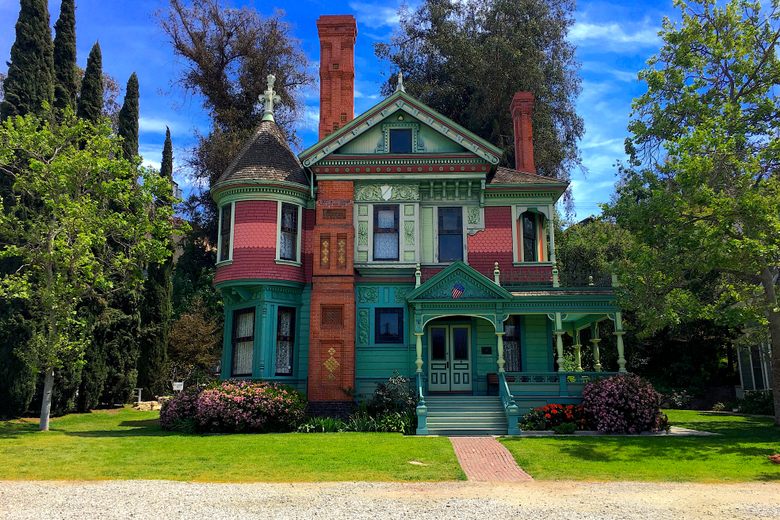
Heritage Square Museum
Los Angeles, California
This open-air sanctuary rescues 19th-century architecture from the wrecking ball, offering a rare look at the ornate homes and depots that defined Los Angeles before its modern expansion.
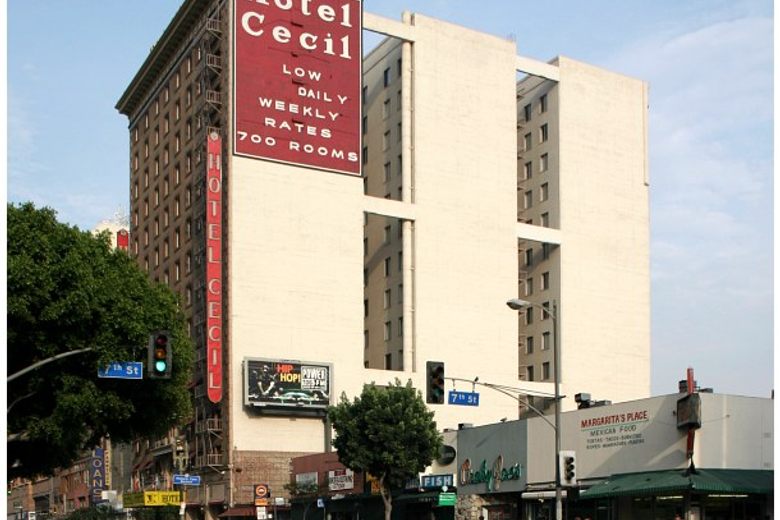
Stay On Main Hotel
Los Angeles, California
This downtown Los Angeles building masks a grim century of history, having served as a temporary home for notorious serial killers and the site of numerous unsolved mysteries.
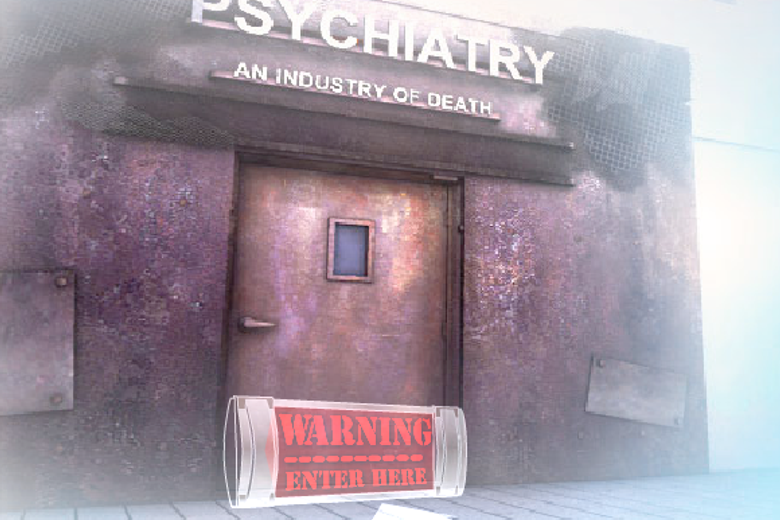
Psychiatry: An Industry of Death Museum
Los Angeles, California
This museum offers a window into the Church of Scientology’s intense opposition to psychiatry. It blends historical critiques of medical abuses with vast conspiratorial claims about the causes of global atrocities.