Los Angeles Folk Art
Watts Towers: Simon Rodia’s Soaring Mosaic Spire Masterpiece
Los Angeles, California, United States
By the Wicked Cool Places editors · Published · Updated
Why it’s cool
This sprawling complex of 17 steel-and-mortar spires was hand-built by a single immigrant laborer over three decades. Using discarded tiles and sea shells, Simon Rodia transformed a suburban lot into a world-renowned monument of vernacular architecture.
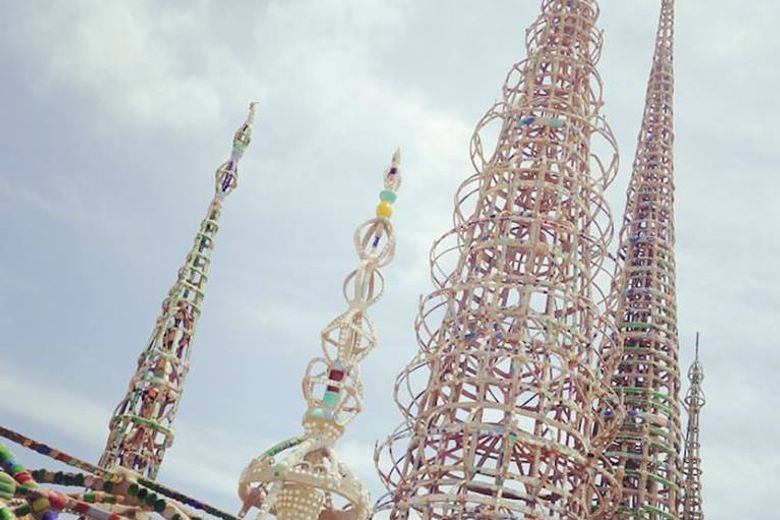
Rising from a residential neighborhood in South Los Angeles, the Watts Towers represent one of the most ambitious solo construction projects in American history. For more than three decades, an Italian immigrant named Sabato “Simon” Rodia spent his evenings and weekends transforming a small plot of land into a soaring forest of steel and mortar.
Known to Rodia as *Nuestro Pueblo*, or “Our Town,” this collection of 17 interconnected structures stands as a testament to individual persistence and the beauty of found objects.
Why It Stands Out
What makes the towers truly remarkable is that Rodia built them entirely alone, without a blueprint or heavy machinery. Using only hand tools and window-washer’s equipment, he raised two of the spires to heights exceeding 99 feet.
The skeletons of the structures are made from steel pipes and rods wrapped in wire mesh, but the skin is where the magic happens. Rodia encrusted the mortar with a vibrant mosaic of porcelain, glass, and ceramic tiles.
A similar dedication to tilework can be found at the Mosaic Tile House. Much of the material came from his job at Malibu Pottery, where he salvaged damaged pieces that would have otherwise been discarded.
Local children, including a young Charles Mingus, also contributed by bringing him shards of pottery and glass. Look closely and you will see an eclectic mix of bed frames, sea shells, and soda bottles embedded into the walls, creating a textured surface that catches the California sun from every angle.
The nearby Phantasma Gloria also uses glass and sunlight to create a shimmering effect.
Before You Go
The towers are situated in the Watts district, within sight of the 103rd Street-Kenneth Hahn Metro station. While you can view the spires from outside the fence, the only way to step inside the complex is through a guided tour.
These tours are managed by the Watts Towers Arts Center, located right next door. Another local site featuring intricate mosaics is the Garden of Oz.
The guides offer essential historical context and point out specific symbolic details that are easy to miss on your own.
Questions worth answering
How did these structures get built without a crew?
Simon Rodia worked solo for thirty years using simple hand tools and gear meant for washing windows. He didn't use blueprints or heavy equipment to raise these seventeen steel skeletons.
What exactly is embedded in the mortar?
You'll find a mix of sea shells, old bed frames, and soda bottles throughout the mosaic. Much of the glass and porcelain came from damaged pieces salvaged from Malibu Pottery.
Can we walk through the spires on our own?
The only way to get inside the fence is by booking a guided tour. The Watts Towers Arts Center handles these visits and provides the necessary historical context.
How do we get to the towers using public transit?
The site is a short walk from the 103rd Street-Kenneth Hahn Metro station. We recommend taking the Metro Rail Blue Line for the most direct route to the neighborhood.
More in West Coast
All West Coast places →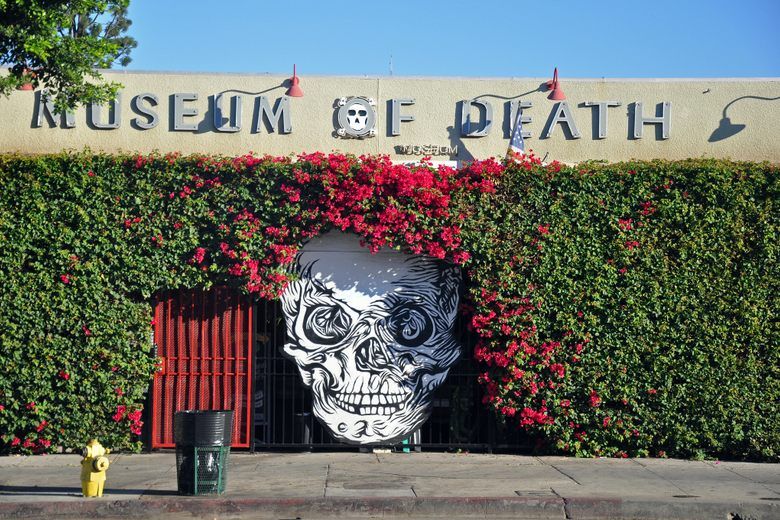
The Museum of Death
Los Angeles, California
This Hollywood institution houses an unparalleled archive of the macabre, from serial killer artwork to authentic mortician tools, designed to provoke reflection on the fragility of life.
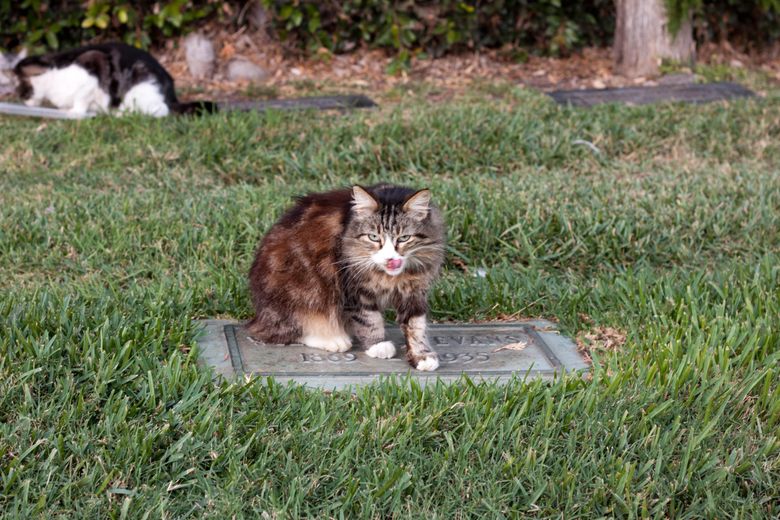
Feral Cat Colonies of Hollywood Forever Cemetery
Los Angeles, California
While tourists hunt for the graves of silver screen legends, a thriving community of feral cats quietly claims the headstones as their personal sunbathing spots.
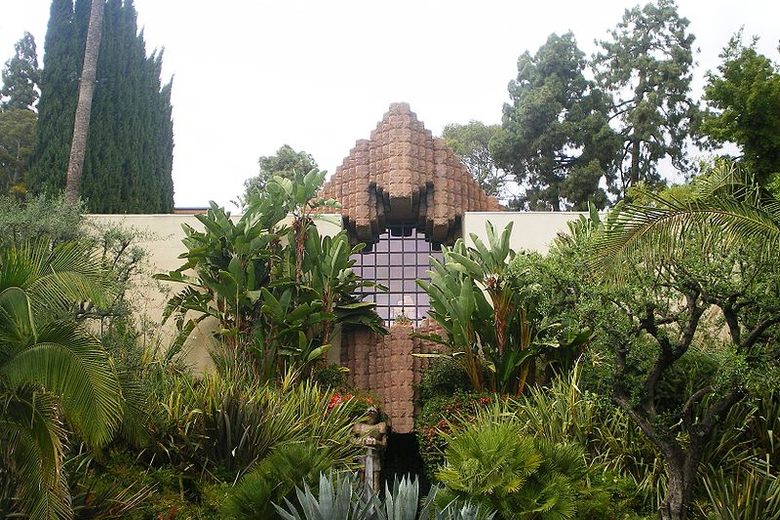
John Sowden House
Los Angeles, California
This 1926 residence features a striking facade resembling a shark's mouth. It is the most celebrated work of Lloyd Wright and carries a dark legacy as a potential site in the Black Dahlia case.