Los Angeles, California
Los Angeles Zoo Botanical Gardens: The Hidden Grove of Rescued Cycads
Los Angeles, California, United States
By the Wicked Cool Places editors · Published
Why it’s cool
This botanical sanctuary holds 94 rare cycads recovered from an international smuggling ring. These prehistoric plants date back to the Permian Period and can live for a millennium, making them highly valuable on the black market.

While visitors typically flock to Griffith Park for the animals, a collection of prehistoric flora offers a more clandestine attraction. Nearby, the Old Zoo Picnic Area also offers a look at the park's history.
Tucked away among the succulents and Mexican sage is a grove of gymnosperms that predates the dinosaurs. These are the cycads, palm-like plants that look like they belong in a museum of natural history rather than a modern landscape.
Why It Stands Out
The presence of these plants is not just a matter of landscaping. It is the result of a high stakes law enforcement effort.
Cycads have existed for roughly 280 million years, surviving since the Permian Period. Because they grow slowly and can live for over a thousand years, they have become incredibly valuable to illegal plant collectors.
This specific collection at the Los Angeles Zoo Botanical Gardens was born from a two year investigation into the black market trade. A global sting operation eventually led to the recovery of nearly 1,000 stolen plants.
The zoo took in 94 of these rescued specimens, providing them with a permanent home under the care of professional horticulturists. While the zoo grounds are filled with native California wildflowers and tall grasses, these illicitly traded plants represent a lineage that has survived multiple mass extinctions.
They are living fossils that were once kidnapped from their native habitats and smuggled across borders before being intercepted by authorities. Those interested in the theme of ancient history might also enjoy The Echo Park Time Travel Mart.
Before You Go
The gardens are located within the zoo grounds in Griffith Park. If you are arriving from the Westbound 134, stay in the far right lane as you approach the I-5 interchange and follow the signs for the Ventura Freeway.
Take the Zoo Drive exit and pass the soccer fields to find the parking lot. From the Northbound 5, take the 134 east toward Pasadena and exit at Zoo Drive.
Turn right at the stop sign and cross the bridge. Visitors coming from the Southbound 5 should exit at Western Avenue, head west, and turn left onto Victory Boulevard before turning onto Zoo Drive.
Questions worth answering
How did these plants end up at the zoo?
A two year investigation into illegal trade led to their recovery. These specimens were part of a global sting operation that intercepted nearly 1,000 stolen plants. The zoo accepted 94 of them to provide a permanent home.
What makes these specific plants so valuable to collectors?
They are living fossils that have survived since the Permian Period. Their slow growth and ability to live for a millennium make them targets for the black market. These gymnosperms predate the dinosaurs and have endured multiple mass extinctions.
How do I find the parking lot when coming from the Southbound 5?
Take the Western Avenue exit and head west. You'll turn left onto Victory Boulevard and then another left onto Zoo Drive. The parking area will be on your right.
What is the atmosphere like in this part of the gardens?
It feels like a prehistoric landscape tucked away from the animal exhibits. You'll see palm-like flora mixed with Mexican sage and succulents. It's a scenic grove that looks like it belongs in a natural history museum.
More in West Coast
All West Coast places →Museum of Neon Art
Glendale, California
This institution serves as a glowing sanctuary for a rare medium, celebrating the intersection of scientific engineering and vibrant artistic expression through light.
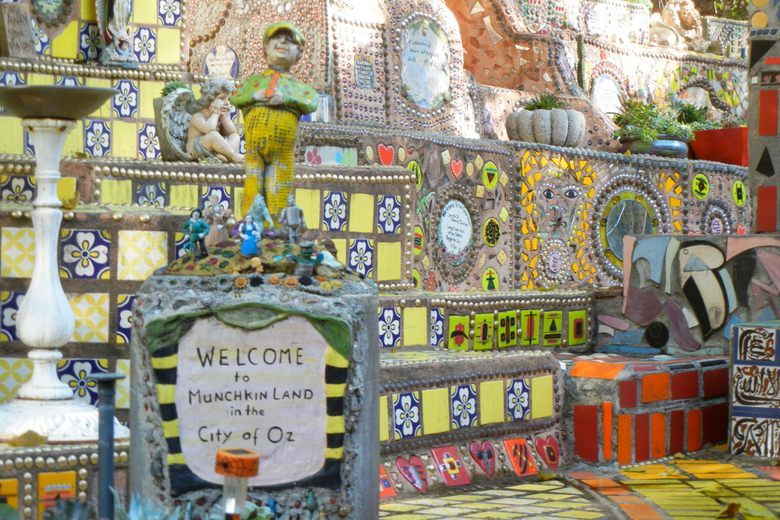
Garden of Oz
Los Angeles, California
This secluded hillside retreat features thousands of shimmering tiles and beads that form a vibrant Yellow Brick Road, leading past commemorative thrones dedicated to both rock stars and peace activists.
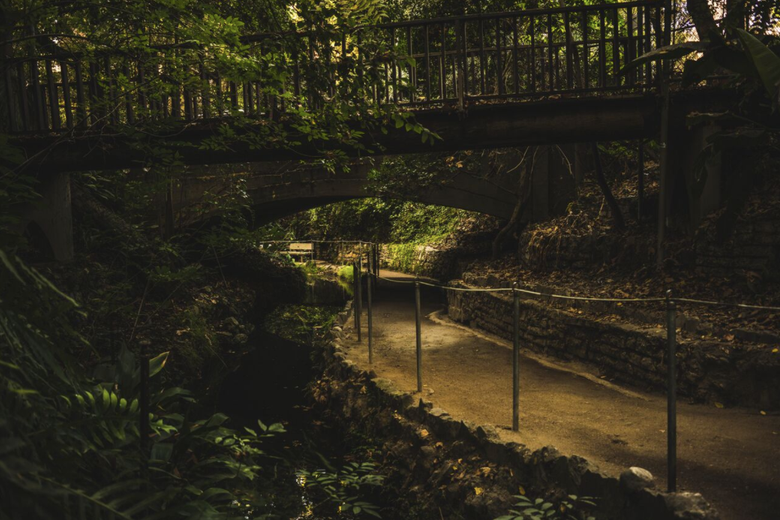
Ferndell Nature Museum
Los Angeles, California
This lush canyon offers a shaded retreat filled with tropical greenery and Depression-era stonework, serving as a tranquil alternative to the sun-baked trails of Los Angeles.