Los Angeles, California
Ferndell Nature Museum: A Lush Tropical Ravine in Griffith Park
Los Angeles, California, United States
By the Wicked Cool Places editors · Published
Why it’s cool
This lush canyon offers a shaded retreat filled with tropical greenery and Depression-era stonework, serving as a tranquil alternative to the sun-baked trails of Los Angeles.
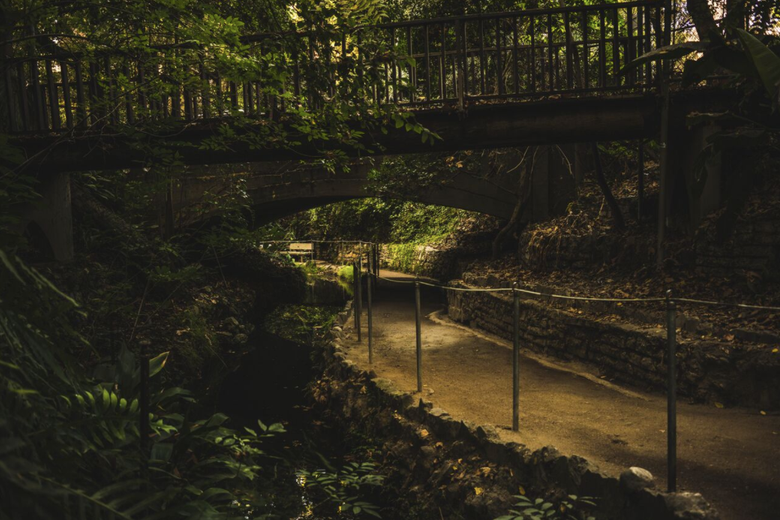
Tucked away at the base of the Hollywood Hills, a shaded ravine offers a cool, damp contrast to the dusty chaparral of the surrounding park. While many hikers pass through this lush corridor on their way to the Griffith Observatory, the Ferndell Nature Museum is a destination in its own right.
It is not a building with exhibits but rather a living landscape shaped by decades of human intervention and natural springs.
Why It Stands Out
Long before it became a public park, the Tongva and Gabrielino people inhabited this spring-fed canyon. Modern development began in 1914 when city planners introduced tropical plants and various fern species to the ravine.
The Cathedral of Our Lady of the Angels is another significant architectural landmark in the region. By the 1920s, the site gained fame among those seeking health or fame, as rumors circulated that the spring water possessed mystical properties.
During the Great Depression, the Civilian Conservation Corps transformed the area into an ambitious garden. They constructed terraces, waterfalls, and rustic bridges designed with a grand, almost ancient aesthetic.
While the natural spring eventually slowed and maintenance decreased in the late 20th century, the site retains a haunting, primordial atmosphere. The combination of gnarled branches and weathered stone creates a pocket of greenery that feels disconnected from the sprawling city nearby.
Nearby, the Psychiatry: An Industry of Death Museum offers a very different perspective on local history.
Before You Go
Visitors can find this shaded retreat centrally located within Griffith Park. It remains one of the most popular access points for the trail leading to the observatory.
Because of the dense foliage and water features, the temperature here is often significantly lower than the exposed hillsides. Keep in mind that some of the ponds may appear stagnant, reflecting the site's transition from a manicured attraction to a more rugged, aging relic of Los Angeles history.
Questions worth answering
Is this a traditional museum with indoor galleries?
Don't look for a building or exhibits here. This is a living landscape where the plants and springs are the main event.
What should I expect from the weather in the canyon?
The thick leaves and water features keep things cool. It's usually much colder here than on the open trails nearby.
Can I use this path to reach the Griffith Observatory?
Many people use this route to start their climb. It's a common way to reach the observatory from the park base.
Who built the stone bridges and terraces found along the trail?
The Civilian Conservation Corps handled the construction during the Great Depression. They used a style that looks ancient and rustic.
More in West Coast
All West Coast places →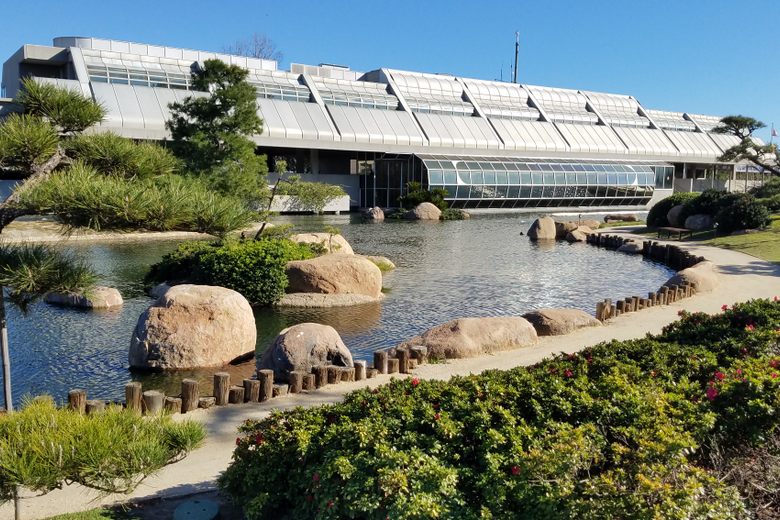
Japanese Garden at the Donald C. Tillman Water Reclamation Plant
Los Angeles, California
This tranquil sanctuary in the San Fernando Valley uses recycled wastewater to nourish its lush landscape. It also served as the iconic backdrop for Starfleet Academy in the Star Trek universe.

Los Angeles Zoo Botanical Gardens
Los Angeles, California
This botanical sanctuary holds 94 rare cycads recovered from an international smuggling ring. These prehistoric plants date back to the Permian Period and can live for a millennium, making them highly valuable on the black market.
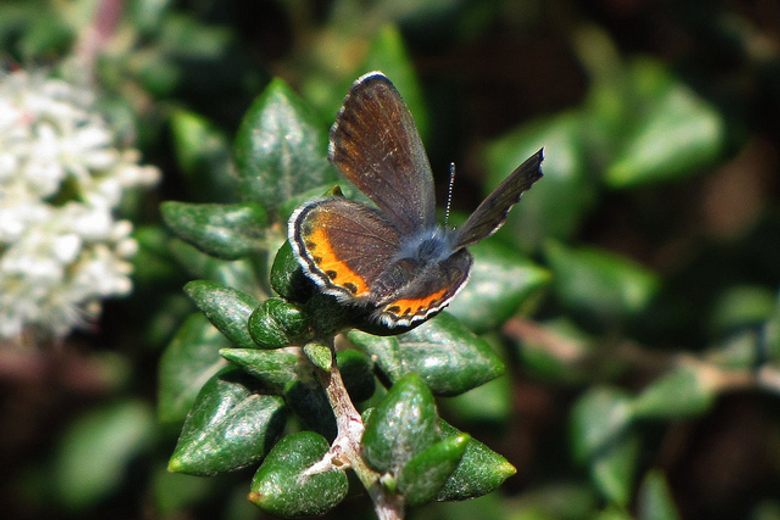
The El Segundo Butterfly Preserve
Los Angeles, California
This wildlife sanctuary sits atop the remains of a forgotten beachfront neighborhood where Hollywood legends once lived. Now, it serves as a critical habitat for thousands of rare blue butterflies.