Chicago Jazz and History
Green Mill Jazz Club: A Century of Mobsters and Music
Chicago, Illinois, United States
By the Wicked Cool Places editors · Published
Why it’s cool
This Uptown staple served as a notorious Prohibition era speakeasy for Al Capone and later birthed the global poetry slam movement.
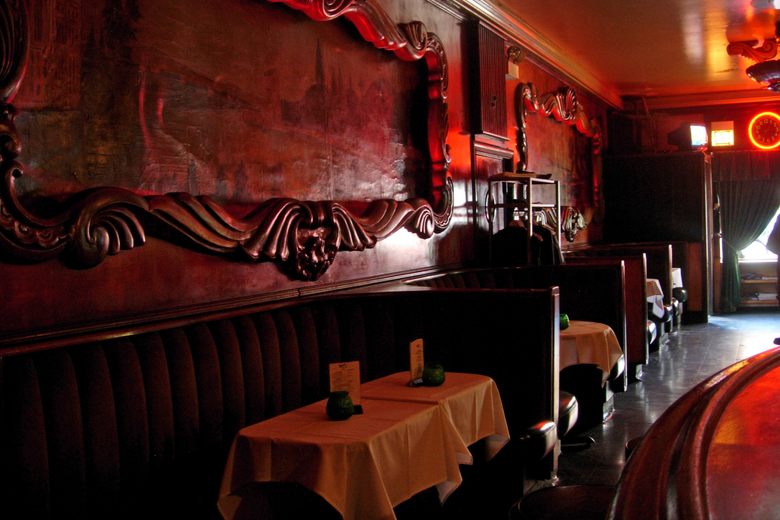
The neon glow of the Green Mill Cocktail Lounge has been a fixture of Chicago's Uptown neighborhood for over a century. Originally inspired by the Moulin Rouge in Paris, this venue became a sanctuary for the early film stars of Essanay Studios, including Charlie Chaplin.
Today, it remains one of the most significant jazz landmarks in the United States, retaining an atmosphere that feels frozen in the 1940s.
Why It Stands Out
During the Prohibition era, the club transformed into a headquarters for the Chicago Outfit. Jack McGurn, an associate of Al Capone, took control of the space and turned it into a high stakes speakeasy.
History is still physically present here. Visitors can sit in Capone’s preferred booth, which was chosen specifically because it offered a clear line of sight to both the front and back doors.
Beneath the floorboards, a network of tunnels once used for hauling coal became a secret transit system for illegal liquor and a quick escape route for mobsters during police raids. The club is also a place of musical and literary milestones.
Beyond hosting legends like Frank Sinatra and Von Freeman, it is the birthplace of the Uptown Poetry Slam. This event started a global phenomenon, proving that the venue is as much about the spoken word as it is about the saxophone.
A full sized statue of Ceres, the goddess of harvest, still watches over the patrons, just as she did when the band was required to play Rhapsody in Blue every time Capone walked through the door.
Before You Go
The lounge is located on the north side of Chicago in the Uptown district. The city is also home to Oz Park, which honors local literary history.
While the days of mob hits and bootlegging are over, the club maintains a strict focus on the performance. Expect a classic cocktail lounge environment with nightly live music ranging from traditional jazz to gypsy swing.
Another bar that trades on its own history is the Carousel Bar. The venue still features its vintage neon signage and original interior decor.
Nearby, the Leather Archives & Museum preserves a different aspect of local culture.
Questions worth answering
Where did Al Capone sit when he visited?
The mobster preferred a specific booth with clear views of the front and back entrances. It's still there for guests who want to see the room from his perspective.
Is there any truth to the stories about secret passages?
Tunnels originally built for coal sit beneath the floor. During Prohibition, the Chicago Outfit used them to move illegal alcohol and dodge police raids.
What should I expect from the music and atmosphere?
The room feels like the 1940s and focuses heavily on the performance. You'll hear anything from traditional jazz to gypsy swing under the original neon lights.
Is the club only known for jazz?
It's also the site where the Uptown Poetry Slam began. This venue helped start a global movement for the spoken word.
More in Midwest
All Midwest places →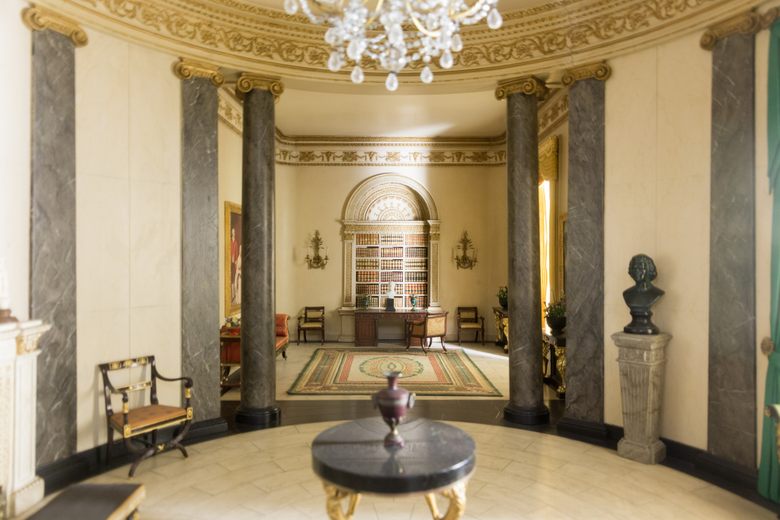
Thorne Miniature Rooms
Chicago, Illinois
These 68 hyper-detailed dioramas capture centuries of interior design at a precise scale of one inch to one foot, using actual textiles and period-accurate craftsmanship.

Couch Place (The Alley of Death)
Chicago, Illinois
This narrow downtown passage earned a dark reputation after the 1903 Iroquois Theatre fire, when it became a desperate escape route and a temporary morgue for hundreds of victims.
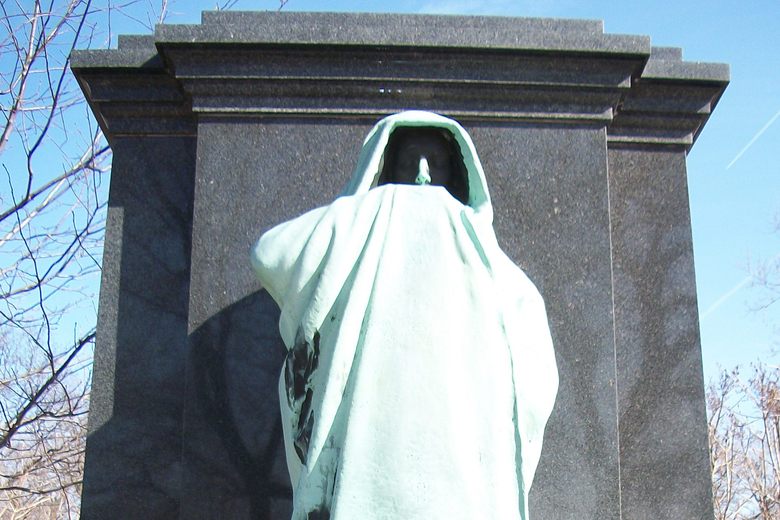
‘Eternal Silence’
Chicago, Illinois
This bronze figure is one of the most famous works by sculptor Lorado Taft. It is shrouded in urban legends involving premonitions of death and camera malfunctions.