Chicago, Illinois
Couch Place: The Grim History of Chicago's Alley of Death
Chicago, Illinois, United States
By the Wicked Cool Places editors · Published
Why it’s cool
This narrow downtown passage earned a dark reputation after the 1903 Iroquois Theatre fire, when it became a desperate escape route and a temporary morgue for hundreds of victims.

Tucked behind the bright lights of the James M. Nederlander Theatre is a narrow passage that most pedestrians use as a simple shortcut.
Known officially as Couch Place, this unassuming corridor hides a traumatic past. Another historic passage in the city is the Wooden Block Alley.
In 1903, it was the site of the deadliest single building fire in American history, a disaster that transformed this service alley into a place of mass casualty and enduring local legend.
Why It Stands Out
The disaster occurred at the Iroquois Theatre, a venue that had been marketed as entirely fireproof. During a sold out matinee performance on December 30, 1903, a stage light ignited flammable scenery.
A series of catastrophic failures followed. The asbestos curtain snagged, vents remained stuck shut, and many of the exits were either hidden behind curtains or locked to prevent patrons in cheaper seats from moving to the lower levels.
As the fire spread, the audience found themselves trapped by doors that opened inward, making it impossible to escape against the weight of the crowd. Those who reached the fire escapes overlooking Couch Place found the iron ladders frozen and unusable.
In the ensuing panic, people began leaping into the alley to escape the flames. The sheer volume of victims led the Chicago Tribune to label the passage the Alley of Death and Mutilation.
Over 600 people perished in less than an hour, and for a time, the alley was used to stack the bodies of the deceased before they could be moved to morgues. Medical history is also explored at the International Museum of Surgical Science.
Before You Go
Today, the alley is a functional part of Chicago's Theater District, serving as the stage door and loading area for the Nederlander. While there is no formal monument at the site, the tragedy led to sweeping changes in fire safety laws.
Modern requirements for clearly marked exits and doors that swing outward are direct results of the Iroquois Theatre fire. Visitors often report a heavy atmosphere in the alley, and local ghost stories suggest that the echoes of the 1903 tragedy still linger between the brick walls.
Questions worth answering
Where do I find this specific alleyway?
Look for the passage situated directly behind the Nederlander Theater. It sits in the heart of the Theater District and functions as a standard loading zone.
What happened here to give it such a dark name?
A massive fire broke out at the Iroquois Theatre in 1903. Hundreds of people died in under sixty minutes when the building became a trap.
Is there a memorial or plaque at the site?
You won't find a formal monument in the corridor. The lasting legacy is the shift in safety laws, like the rule that public doors must swing outward.
What is the atmosphere like for visitors today?
People often mention a heavy feeling while walking between these brick walls. Local legends claim the area is haunted by those who perished during the disaster.
More in Midwest
All Midwest places →
Leather Archives & Museum
Chicago, Illinois
This Chicago institution treats fetish and leather subcultures with academic rigor, housing a massive library alongside a basement dungeon and world class art by Tom of Finland.
Chicago Temple
Chicago, Illinois
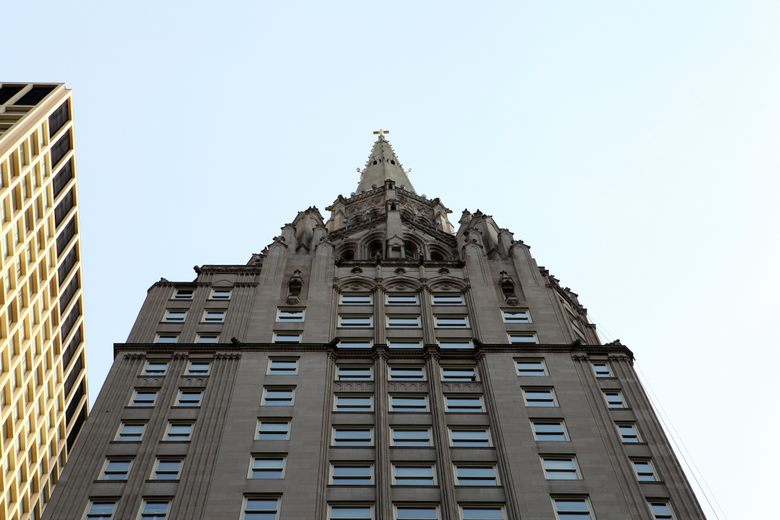
This Gothic skyscraper holds the title of the world's tallest church building, featuring a sanctuary tucked inside a spire high above the city.

The Fountain of Time
Chicago, Illinois
This sprawling monument uses a hundred distinct figures to illustrate the fleeting nature of life as they pass before a scythe-bearing Father Time.