Chicago, Illinois
Eternal Silence: The Haunting Statue of Death in Graceland
Chicago, Illinois, United States
By the Wicked Cool Places editors · Published
Why it’s cool
This bronze figure is one of the most famous works by sculptor Lorado Taft. It is shrouded in urban legends involving premonitions of death and camera malfunctions.
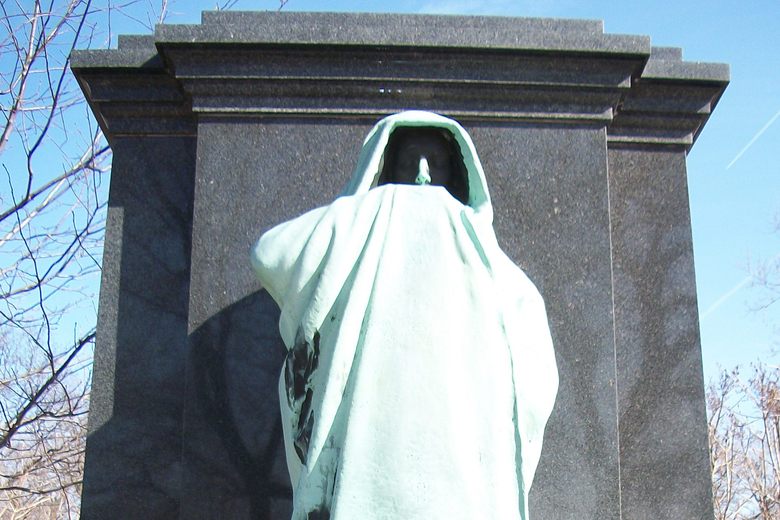
Graceland Cemetery serves as the final resting place for some of Chicago's most influential historical figures. Among the elaborate headstones and mausoleums, one figure stands out for its somber and unsettling presence.
Known officially as Eternal Silence, this bronze monument is also frequently called the Statue of Death. It was crafted in 1909 by the celebrated sculptor Lorado Taft to honor Dexter Graves, a pioneer who brought a group of settlers to the area in 1831, shortly before the city was officially incorporated.
Why It Stands Out
The statue is an allegorical representation of the transition between life and the unknown. Its dark, hooded form and weathered texture create an atmosphere that has fueled local folklore for over a century.
The most persistent legend suggests that if a visitor looks directly into the eyes of the figure, they will receive a vision revealing how they will eventually die. Others claim to have seen the statue's arm move, rising or falling depending on the time of day.
During the mid-twentieth century, the monument gained a reputation for being impossible to capture on film. Many visitors reported that their cameras would jam or their film would be ruined when they attempted to photograph the figure.
While modern digital photography has largely debunked the idea that the statue is camera shy, the stories continue to draw those interested in the supernatural to this corner of the cemetery. Nearby, Woolly Mammoth Antiques and Oddities also circles the same themes of mortality in its own collection.
Before You Go
The statue is located within the grounds of Graceland Cemetery. It is a working cemetery and a place of mourning, so visitors should remain respectful and quiet.
You can find the monument near the graves of other notable Chicagoans like George Pullman and Allan Pinkerton. The International Museum of Surgical Science is another local site that examines historical themes.
The grounds are typically open during daylight hours, but it is wise to check the cemetery gates for specific closing times before wandering too far into the back sections.
Questions worth answering
Who is the figure in the cemetery meant to commemorate?
The bronze work honors Dexter Graves. He arrived with a group of settlers in 1831, just before Chicago became a city.
What is the story behind the vision of death?
Local folklore claims that looking into the statue's eyes reveals your final moments. It's a persistent legend that has lasted for more than a century.
Is it true that I can't take a photo of the monument?
People used to say film would be ruined or cameras would jam here. Modern digital gear works fine, but the reputation for being camera shy remains.
Where exactly is the statue located?
You'll find it inside Graceland Cemetery. It stands near the final resting places of Allan Pinkerton and George Pullman.
More in Midwest
All Midwest places →
Merz Apothecary
Chicago, Illinois
This Chicago institution preserves the sensory experience of a 19th-century chemist. It combines hand-carved oak cabinetry with a massive inventory of rare European hygiene products and natural medicines.

Thorne Miniature Rooms
Chicago, Illinois
These 68 hyper-detailed dioramas capture centuries of interior design at a precise scale of one inch to one foot, using actual textiles and period-accurate craftsmanship.
Green Mill Jazz Club
Chicago, Illinois
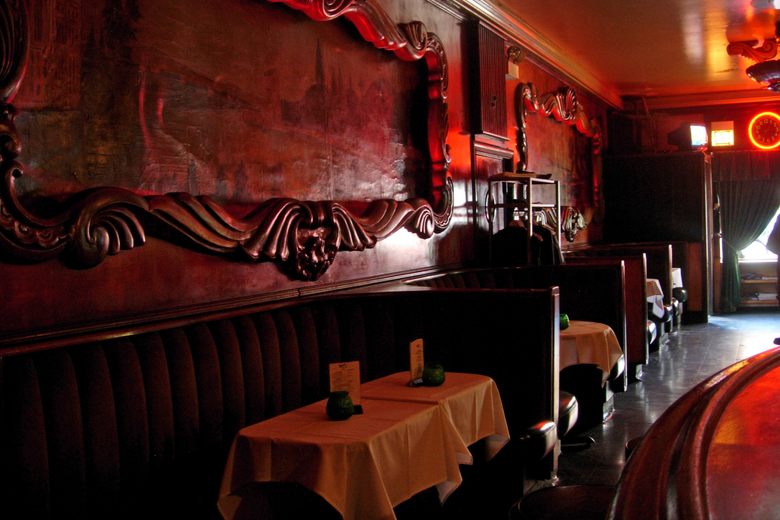
This Uptown staple served as a notorious Prohibition era speakeasy for Al Capone and later birthed the global poetry slam movement.