Henderson, Nevada
Ethel M Cactus Garden: A Massive Desert Oasis at a Chocolate Factory
Henderson, Nevada, United States
By the Wicked Cool Places editors · Published · Updated
Why it’s cool
This sprawling four-acre landscape is the largest of its kind in Nevada, featuring over 300 species of succulents and cacti that thrive on recycled wastewater from the adjacent gourmet chocolate factory.
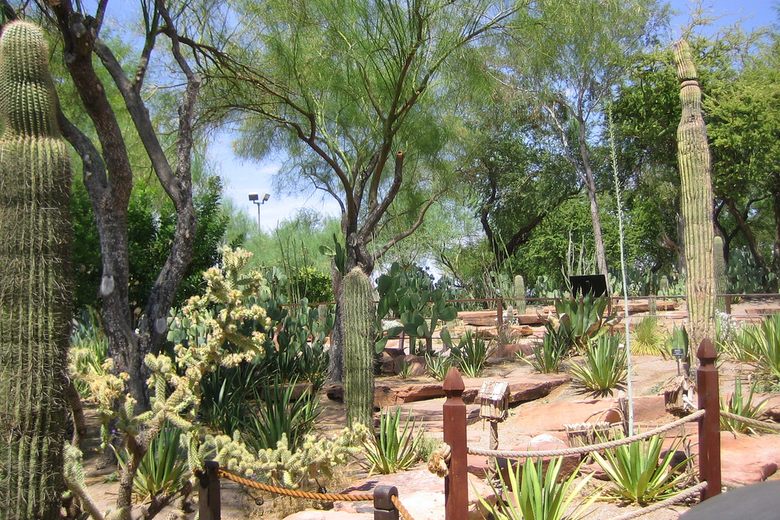
Just outside the neon glow of the Las Vegas Strip, a massive collection of prickly flora thrives in the Henderson desert. This is not just a random patch of succulents.
It is the legacy of Forrest Edward Mars Sr., the man behind some of the world's most famous candies. He established this site in 1981 to honor his mother, Ethel, and to take advantage of Nevada's unique laws regarding liqueur-filled sweets.
While the chocolate factory is a major draw, the surrounding four-acre botanical garden has become a destination in its own right. ## Why It Stands Out Holding the title of Nevada's largest cactus collection, the grounds display more than 300 distinct species. The variety is staggering, with roughly half the plants hailing from the American Southwest and the remainder sourced from South America and Australia.
Each specimen was selected for its ability to survive the harsh local climate while producing vibrant, eye-catching blooms. What makes this garden truly remarkable is how it stays hydrated.
The candy factory operates with a closed-loop sustainability model, recycling every drop of its wastewater without the use of harsh chemicals. Instead, a biological filtration system utilizing algae, bacteria, snails, and fish cleans the water.
This reclaimed resource then flows through the garden, supporting the drought-resistant plants and providing a sanctuary for local bird populations. Similarly, New York's Hidden Tropical Forest relies on internal water systems to sustain its lush greenery.
It is a rare example of industrial efficiency meeting botanical preservation. Nevada is also home to Fly Geyser, another site where human activity and natural growth intersect. ## Before You Go Visitors are welcome to wander the winding paths of the cactus garden at no cost on a self-guided basis.
This allows for a leisurely pace to admire the diverse textures and shapes of the succulents. For those who want a deeper look into the chocolate-making process or the specifics of the botanical collection, guided tours are available for a fee.
Questions worth answering
What is the cost to walk through the grounds?
You can take a self-guided stroll through the cacti for free. If you want a guided tour of the garden or factory, you'll have to pay a fee.
Where do all these plants come from?
Around half the species are native to the American Southwest. The rest of the collection was brought in from Australia and South America.
How does a desert garden stay this green?
The site uses a biological filtration system involving snails, fish, and algae to clean factory wastewater. This recycled water keeps the three hundred species hydrated without using harsh chemicals.
Who started this place?
Forrest Edward Mars Sr. built the site in 1981 as a tribute to his mother. We took our own editorial from there to highlight how the industrial side supports the botanical side.
More in Southwest
All Southwest places →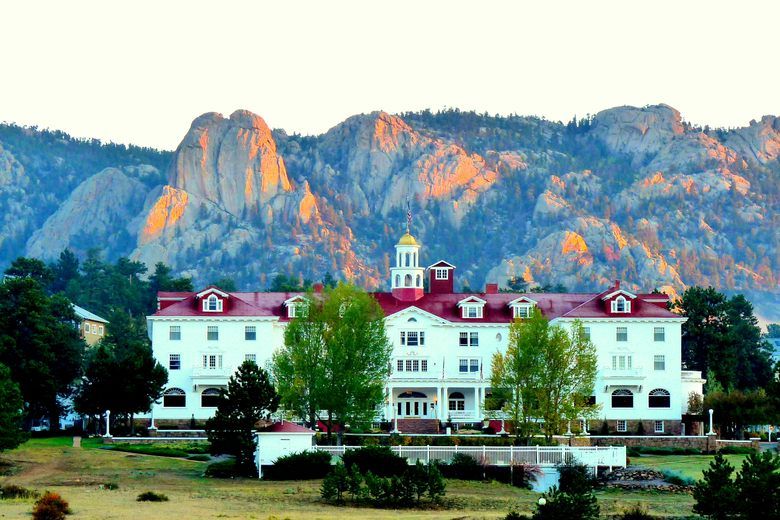
The Stanley Hotel
Estes Park, Colorado
This grand 1909 estate is the real-world birthplace of literary horror, where a stay in room 217 sparked Stephen King’s imagination and birthed a ghost story for the ages.
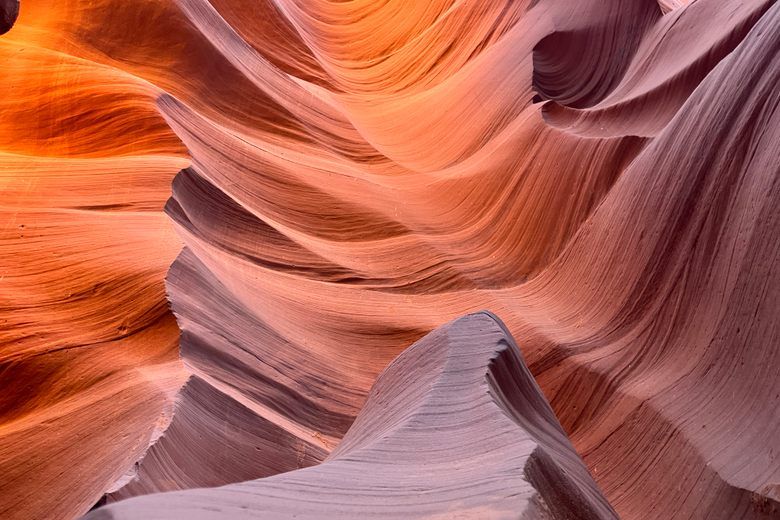
Antelope Canyon
Page, Arizona
This geological masterpiece features undulating sandstone walls that glow with ethereal light beams, making it a premier destination for landscape photographers and desert explorers.
Caverns Grotto
Peach Springs, Arizona
Descending 200 feet below the surface, this unique dining room sits within a massive cavern system that has been forming for 345 million years, offering a quiet, ancient atmosphere for your meal.