Page, Arizona
Antelope Canyon: Arizona's Labyrinth of Glowing Sandstone
Page, Arizona, United States
By the Wicked Cool Places editors · Published · Updated
Why it’s cool
This geological masterpiece features undulating sandstone walls that glow with ethereal light beams, making it a premier destination for landscape photographers and desert explorers.
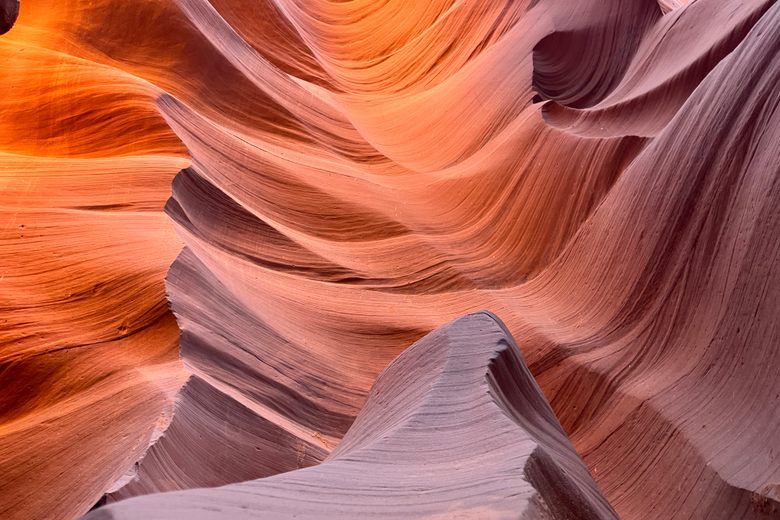
Deep beneath the surface of the Arizona desert lies a subterranean cathedral carved by the relentless force of seasonal floods. Antelope Canyon is a study in fluid motion captured in stone, where millions of years of erosion have smoothed the Navajo sandstone into swirling, ribbon-like patterns.
While many desert landscapes are defined by vast vistas, this site draws travelers into its narrow, intimate depths to witness a world of glowing orange hues and vertical shadows.
Why It Stands Out
The canyon is divided into two distinct sections, each offering a unique perspective on the region's geology. The Upper Canyon, known in the Navajo language as Tsé bighánílíní, is famous for its towering 120-foot walls and the dramatic shafts of sunlight that pierce through the ceiling during specific times of day.
This section is generally easier to navigate, featuring a flat, sandy floor. In contrast, the Lower Canyon, or Hazdistazí, presents a more physical challenge.
This V-shaped passage requires visitors to navigate narrow gaps and stairways, rewarding them with intricate "spiral rock arches" and a closer look at the complex textures created by ancient water flow. Both segments sit within the LeChee territory of the Navajo Nation, serving as a powerful reminder of the natural forces that continue to shape the American Southwest.
Before You Go
Access to these corridors is strictly controlled due to the volatile nature of the environment; flash floods remain a serious risk, and visitors may only enter with a professional guide. These excursions are popular and carry a significant price tag, so booking in advance is essential.
Many of these tours depart from the nearby city of Page. Note that the environment is fragile and strictly managed.
Pets, including service animals, are prohibited from entering the canyon. If you are hoping to capture the perfect shot, be aware that tripods are generally banned unless you have booked a specialized photography tour.
For the best results in the low-light conditions, a wide-angle lens is your best tool for capturing the sweeping curves of the sandstone. Travelers who enjoy these sandstone formations might also appreciate the Bisti Badlands.
Questions worth answering
Can I explore the canyon on my own?
You can't just wander in. Entry is strictly limited to professional guides because flash floods are a real threat in these desert corridors.
What's the difference between the two main sections?
Tsé bighánílíní has a level floor and 120-foot walls, while Hazdistazí is a V-shaped passage. You'll need to use stairs and squeeze through gaps if you choose the latter.
Are there any rules for bringing gear or pets?
Leave the dog and the tripod at home. Pets aren't permitted, and cameras stay handheld unless you've paid extra for a specific photography excursion.
Is this a budget-friendly stop?
It isn't. These tours come with a significant price tag and require advance booking since they're such a popular draw near Page.
More in Southwest
All Southwest places →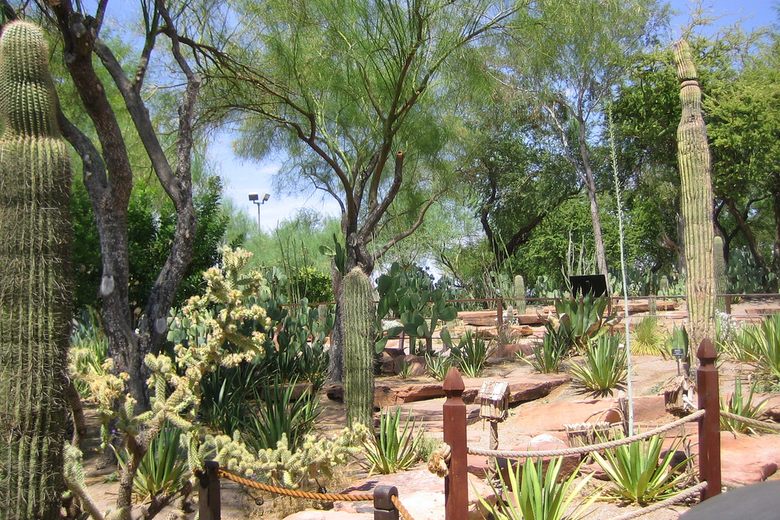
Ethel M Botanical Cactus Garden
Henderson, Nevada
This sprawling four-acre landscape is the largest of its kind in Nevada, featuring over 300 species of succulents and cacti that thrive on recycled wastewater from the adjacent gourmet chocolate factory.
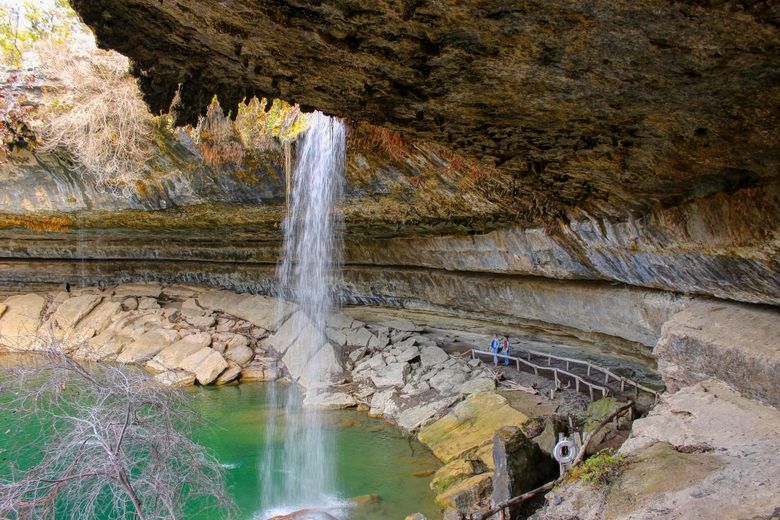
Hamilton Pool
Dripping Springs, Texas
This subterranean sanctuary features a massive limestone overhang and a 50-foot waterfall that spills into an emerald pool, creating a lush, prehistoric-feeling escape in the Texas scrub.
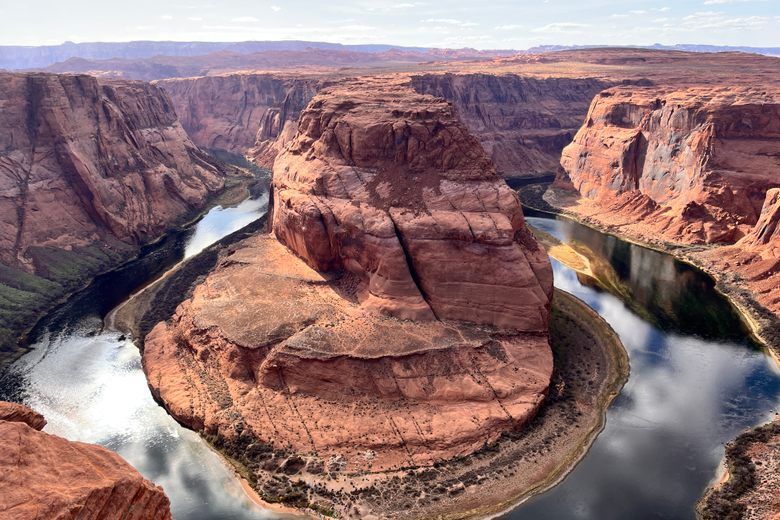
Horseshoe Bend
Page, Arizona
This geological marvel features the Colorado River performing a near-perfect U-turn around a massive sandstone tower, offering dizzying views from a thousand feet above the water.