Northern Nevada High Desert
Fly Geyser: Nevada's Accidental Technicolor Geothermal Marvel
Gerlach, Nevada, United States
By the Wicked Cool Places editors · Published · Updated
Why it’s cool
This accidental masterpiece in the Black Rock Desert was born from botched well-drilling projects. Today, thermophilic algae paint its growing mineral mounds in brilliant shades of red and green, creating a surreal landscape that feels entirely extraterrestrial.
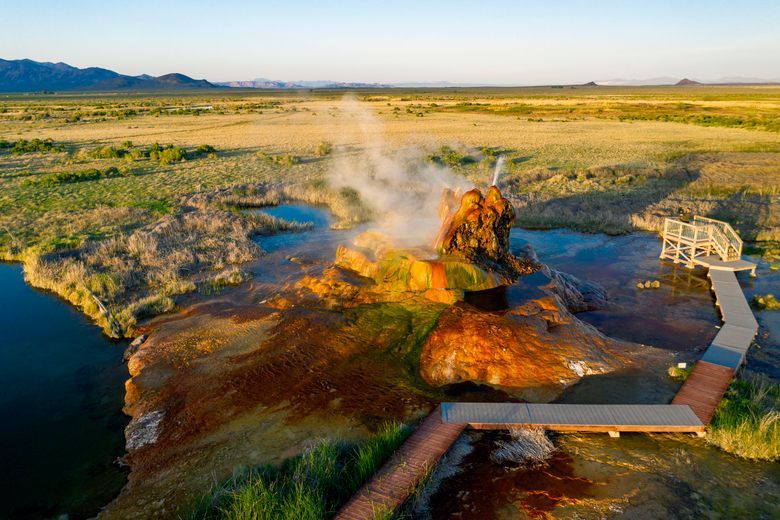
Rising from the edge of the Black Rock Desert, Fly Geyser is a vivid testament to the unexpected consequences of human intervention. A similar intersection of human impact and geothermal beauty can be found at the Morning Glory Pool.
Though the surrounding landscape is rugged and dry, this corner of the Hualapai Geothermal Flats hides a pressurized world of boiling water and minerals that has spent the last century sculpting a psychedelic oasis.
Why It Stands Out
The site actually hosts three distinct formations, each with its own origin story. The oldest, known as The Wizard, appeared over a century ago when pioneers attempted to drill a well for irrigation.
They struck 200-degree water that was useless for crops, leaving behind a 12-foot calcium carbonate cone. In 1964, history repeated itself when a geothermal energy company drilled a test well nearby.
When the seal on their borehole failed, a new geyser erupted, siphoning off the pressure from the original well and creating what we now recognize as Fly Geyser. This central formation is a collection of several six-foot spouts perched atop a massive mineral mound.
Its striking appearance comes from thermophilic algae, which thrive in the scalding, moist environment, painting the rocks in brilliant streaks of emerald green and rust red. The Paint Mines Interpretive Park also features a landscape defined by its vibrant, natural colors.
A third, smaller formation called Will’s Geyser was discovered in 2006; unlike its neighbors, this one is believed to be entirely natural, growing roughly six inches every year. In 2016, the Burning Man Project acquired the 3,800-acre ranch to ensure the preservation of these unique geothermal features and the surrounding wetlands.
Before You Go
Access to the geyser is strictly controlled to protect the fragile ecosystem of Fly Ranch. While you can spot the colorful mounds from State Route 34, you cannot simply pull over and walk onto the property.
Instead, visitors must book a guided nature walk through the Friends of Black Rock-High Rock. These tours typically run from April through October.
To encourage a deeper connection with the environment, the walks are conducted as device-free experiences. You will be asked to keep your phone and camera stowed during the trek, though time is set aside at the end of the tour for photography.
Questions worth answering
Can we just drive up and see it?
You'll spot the mounds from State Route 34, but that's as close as you'll get on your own. Entry requires a guided walk through the ranch, which you'll need to book in advance.
What's the deal with the no-phone policy?
The nature walks are device-free to keep people present in the landscape. You'll keep your gear stowed until the end of the tour, when a specific window for photography is provided.
How did this place end up looking like a science fiction set?
It's a mix of failed wells and biology. Human drilling hit boiling water, and now thermophilic algae create the red and green streaks across the growing mineral structures.
How many geysers are actually on the property?
The site features three distinct formations. You'll find the century-old Wizard cone, the central multi-spouted Fly Geyser, and a smaller natural mound called Will's Geyser that grows about six inches annually.
More in Southwest
All Southwest places →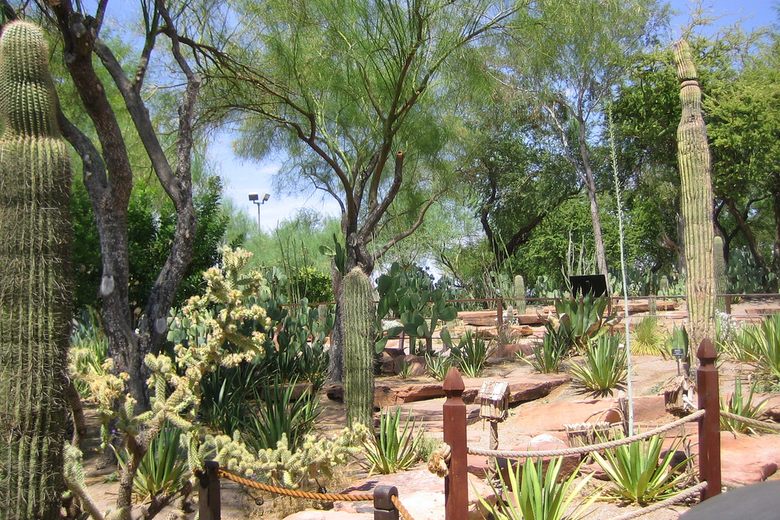
Ethel M Botanical Cactus Garden
Henderson, Nevada
This sprawling four-acre landscape is the largest of its kind in Nevada, featuring over 300 species of succulents and cacti that thrive on recycled wastewater from the adjacent gourmet chocolate factory.
Antelope Canyon
Page, Arizona
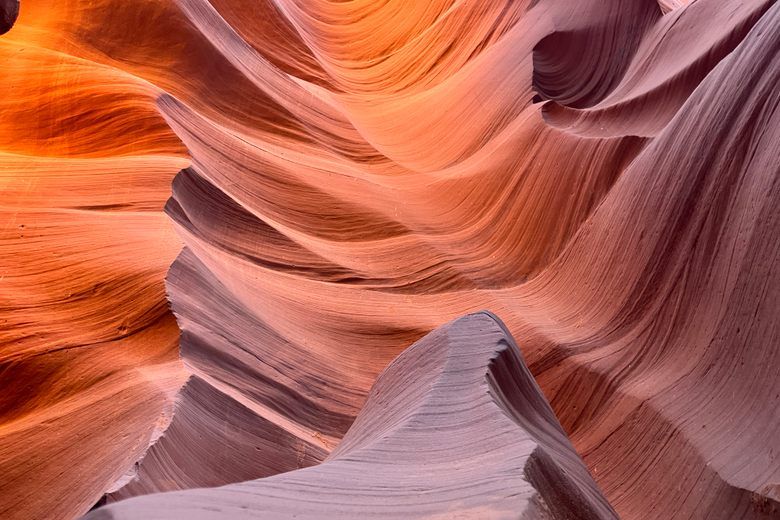
This geological masterpiece features undulating sandstone walls that glow with ethereal light beams, making it a premier destination for landscape photographers and desert explorers.
Caverns Grotto
Peach Springs, Arizona
Descending 200 feet below the surface, this unique dining room sits within a massive cavern system that has been forming for 345 million years, offering a quiet, ancient atmosphere for your meal.