New Mexico's Desert Wonder
White Sands National Park: A Shifting Sea of Pure Gypsum
Alamogordo, New Mexico, United States
By the Wicked Cool Places editors · Published · Updated
Why it’s cool
This massive 115-square-mile landscape is the planet's largest deposit of pure gypsum, offering a surreal backdrop for dune sledding and exploring rare, bleached wildlife.
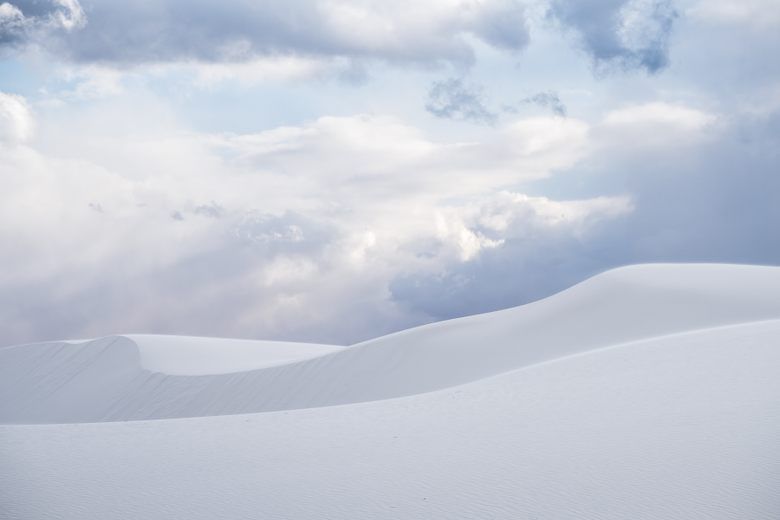
Imagine a desert where the "sand" is actually cool to the touch and bright enough to blind you without sunglasses. In south-central New Mexico, a 115-square-mile expanse of brilliant white hills creates a landscape that feels more like an Arctic tundra than the northern edge of the Chihuahuan Desert.
This ivory wilderness has been a destination for travelers for more than eight decades, offering a stark contrast to the surrounding military testing grounds.
Why It Stands Out
Unlike typical quartz-based deserts, these dunes are composed of hydrous calcium sulfate, pure gypsum. This geological rarity began in a mineral-rich ephemeral lake to the west.
As the water vanished, it left behind crystalline deposits that the wind eventually ground into fine powder, sculpting them into waves that can march northeast by as much as 30 feet annually. The environment is so distinct that local wildlife has evolved specifically to blend into the ivory terrain.
Other unique landscapes in the state include the Bisti Badlands. Visitors might catch a glimpse of the pale Bleached Earless Lizard or the kit fox.
Even the African Oryx, an introduced species, has found a home here. Despite the park's popularity, finding a sense of isolation is surprisingly simple.
You can wander away from the driving loops and easily find a private ridge where the only tracks are your own. For those seeking more speed, the park allows sledding down the steeper faces of these shifting white slopes on plastic disks.
Before You Go
The park entrance is situated along Highway 70. If you are coming from the direction of Alamogordo, expect a 15-mile drive; from Las Cruces, the journey is about 52 miles.
Travelers arriving from the Carlsbad area often take the mountain route via Highway 82 through the Sacramento range. Travelers interested in New Mexico's geological formations might also enjoy Ra Paulette's Hand-Carved Caves.
Because the dunes reflect intense sunlight, eye protection and sunscreen are essential even in cooler weather. Sleds are available for purchase at the site if you want to slide down the gypsum slopes.
Questions worth answering
What makes the ground here different from a standard desert?
The dunes aren't made of quartz. They consist of pure gypsum, a mineral that stays cool underfoot and reflects light so intensely you'll need sunglasses to see clearly.
Is there any wildlife that actually lives in this environment?
Local species like the Bleached Earless Lizard have adapted their coloring to match the ivory terrain. You might also spot a kit fox or the African Oryx wandering the hills.
How do we get to the park entrance?
The main access point is on Highway 70. It's a 15-mile trip if you're starting in Alamogordo, while the drive from Las Cruces covers roughly 52 miles.
Where did this information originate?
We used the White Sands National Park records as a starting point and built our own editorial from there. The park has been drawing travelers to this part of New Mexico for over eighty years.
More in Southwest
All Southwest places →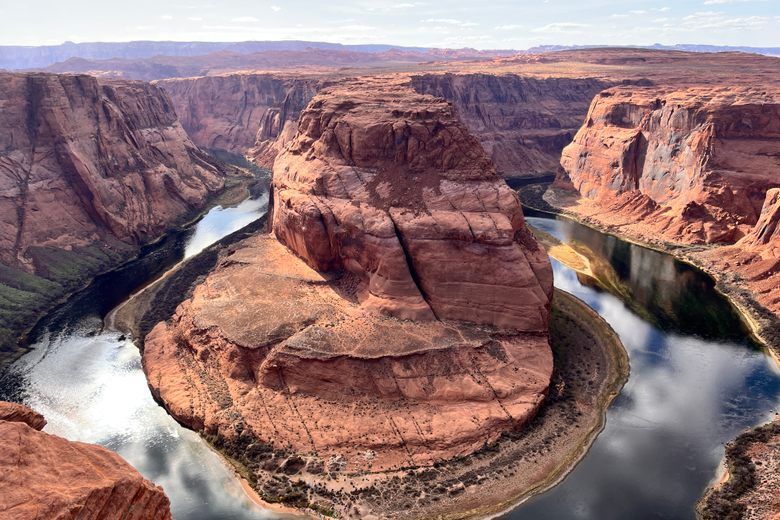
Horseshoe Bend
Page, Arizona
This geological marvel features the Colorado River performing a near-perfect U-turn around a massive sandstone tower, offering dizzying views from a thousand feet above the water.
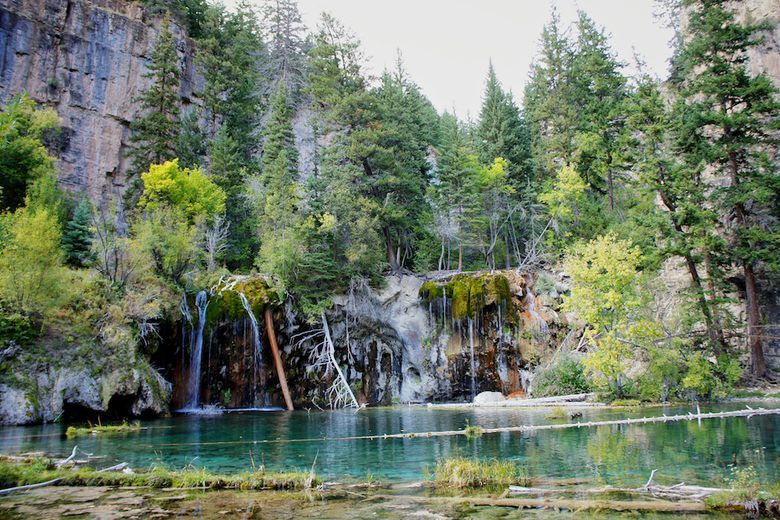
Hanging Lake
Glenwood Springs, Colorado
This glacially formed lake features rare travertine deposits and vibrant turquoise water, appearing to hang precariously from the sheer walls of Glenwood Canyon.
Desert Reef Hot Springs
Florence, Colorado
Tucked away in the Colorado landscape, this geothermal destination offers a rare clothing-optional environment where visitors can soak in mineral-rich waters sourced directly from the earth.