Colorado Springs Natural Wonder
Garden of the Gods: Colorado’s Towering Red Sandstone Spires
Colorado Springs, Colorado, United States
By the Wicked Cool Places editors · Published · Updated
Why it’s cool
These dramatic red sandstone fins were thrust vertically by ancient tectonic shifts, creating a landscape so surreal that early explorers deemed it fit for deities.
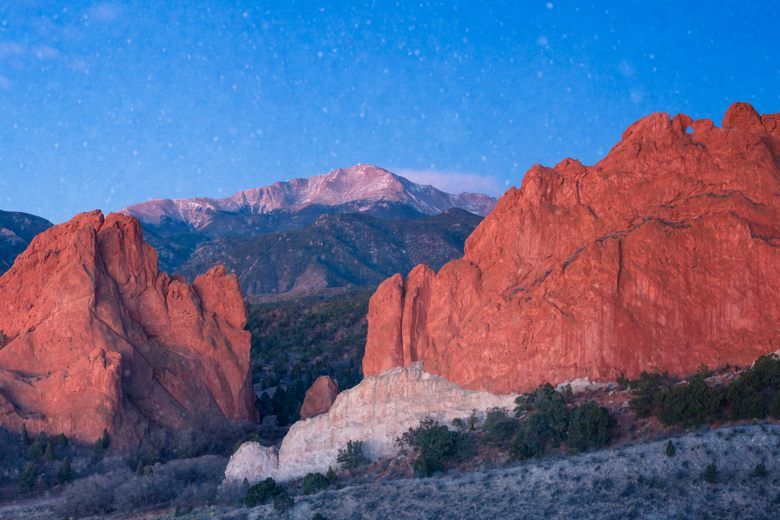
The skyline of Colorado Springs is dominated by more than just Pikes Peak; it is defined by the jagged, crimson fins of the Garden of the Gods. Here, the earth has been turned on its side, revealing layers of deep red sandstone and pale limestone that reach toward the clouds like frozen waves.
This isn't just a collection of boulders; it is a geological gallery where ancient tectonic pressure has sculpted a landscape of impossible angles and gravity-defying balances.
Why It Stands Out
The park’s distinct appearance is the result of massive sedimentary deposits being shoved into vertical and horizontal alignments by prehistoric upheaval. These forces created world-renowned landmarks like "Balanced Rock," a massive boulder that appears to teeter precariously on a narrow base, and the "Three Graces," a trio of elegant spires that stand in stark contrast to the surrounding greenery.
The area’s spiritual and aesthetic power has been recognized for centuries. Indigenous tribes long held these grounds in high regard, leaving behind petroglyphs as a testament to their presence.
Nearby, the Paint Mines Interpretive Park also provided ancient peoples with colorful clays for ceremonial use. Later, 19th-century explorers were so struck by the cathedral-like atmosphere of the ridges that they declared it a place where only gods could dwell.
The spiritual atmosphere of these formations is echoed in the Ra Paulette's Hand-Carved Caves found in the region. Today, the park serves as a playground for those looking to test their mettle against the stone, with hikers and technical rock climbers frequenting the steep faces of the stratified towers.
Before You Go
Access to the park and its primary facilities is free of charge. Before driving through the formations, stop at the visitor center located across 30th Street from the main entrance.
The center is packed with interactive displays detailing the local ecology and the complex geology of the formations, making it an excellent starting point for families. While the exhibits are free, there is a small fee if you wish to view the film in the downstairs theater.
The park is a popular destination, so expect company on the trails during peak hours. This park remains a highlight for visitors exploring the Southwest.
Questions worth answering
What makes the landscape look so unusual?
Ancient tectonic shifts forced these red sandstone layers into vertical positions. The result is a skyline of jagged fins and gravity-defying formations like Balanced Rock.
Is there a cost to explore the park?
You won't pay a cent to enter the grounds or visit the main facilities. The only exception is a small fee for the film shown inside the visitor center theater.
Where should we start our visit?
Head to the visitor center on 30th Street before you drive through the entrance. It's packed with details on local ecology and the way these stones were formed.
How did this place get its name?
Nineteenth-century explorers felt the cathedral-like ridges were grand enough for deities to inhabit. We took that historical context and built our own editorial from there.
More in Southwest
All Southwest places →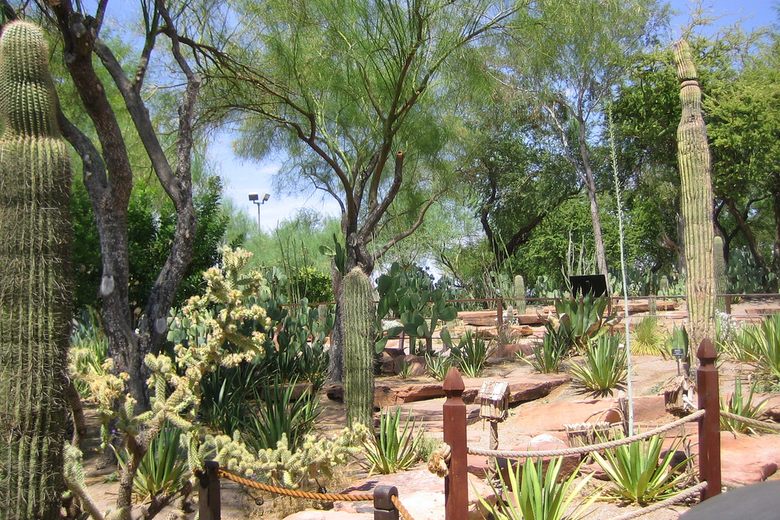
Ethel M Botanical Cactus Garden
Henderson, Nevada
This sprawling four-acre landscape is the largest of its kind in Nevada, featuring over 300 species of succulents and cacti that thrive on recycled wastewater from the adjacent gourmet chocolate factory.
Caverns Grotto
Peach Springs, Arizona
Descending 200 feet below the surface, this unique dining room sits within a massive cavern system that has been forming for 345 million years, offering a quiet, ancient atmosphere for your meal.
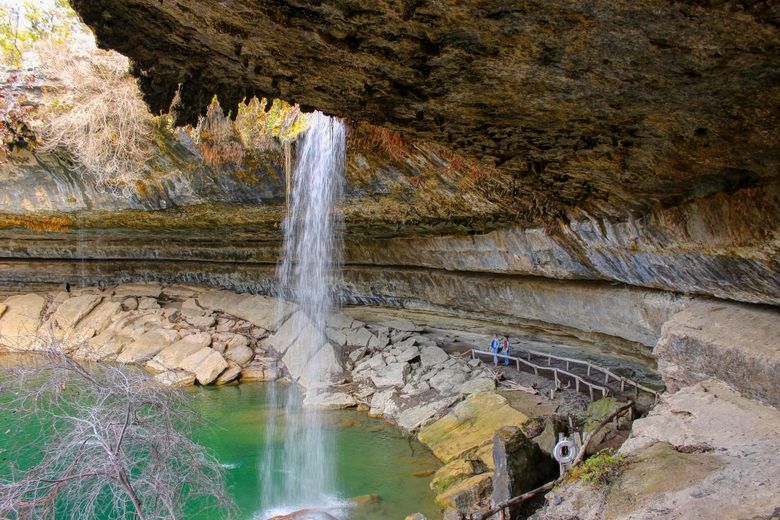
Hamilton Pool
Dripping Springs, Texas
This subterranean sanctuary features a massive limestone overhang and a 50-foot waterfall that spills into an emerald pool, creating a lush, prehistoric-feeling escape in the Texas scrub.