Subterranean Spiritual Replicas
Catacombs of Washington, D.C.: A Franciscan Replica of Ancient Rome
Washington, District of Columbia, United States
By the Wicked Cool Places editors · Published · Updated
Why it’s cool
These underground passages offer a meticulously crafted surrogate for the Holy Land, built over a century ago to provide a local pilgrimage site for those unable to cross the Atlantic.
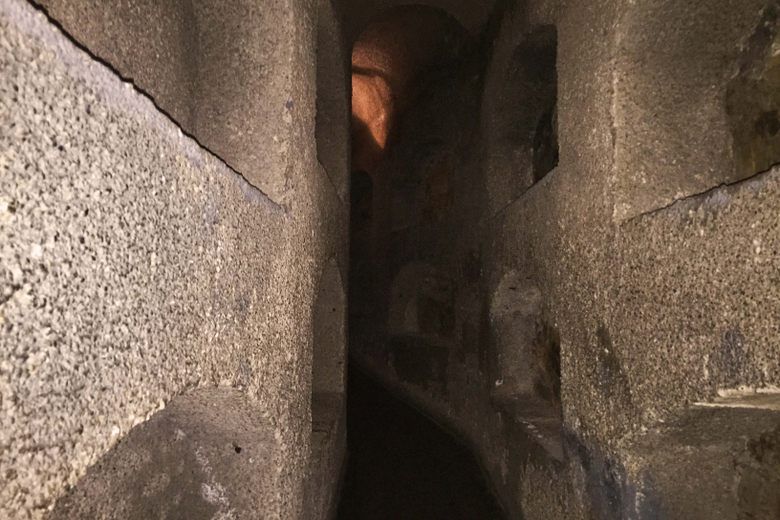
Beneath the Franciscan Monastery of the Holy Land, the order's American home, lies a shadowy network of tunnels that feels like a portal to ancient Italy. While the humid air and dim lighting suggest a site millennia old, this subterranean world is actually a clever architectural tribute designed to bring the experience of Roman and Middle Eastern shrines to the United States.
Why It Stands Out
At the turn of the 20th century, Franciscan monks commissioned Roman architect Aristides Leonori to design a miniature version of the Roman catacombs. Using precise measurements and photographs from Italy, Leonori drafted a complex that captured the essence of the originals.
This focus on spiritual architecture is also seen at the Cave of Kelpius. Unlike the tombs in Rome that were carved into volcanic rock, these D.C. passages were cast from aggregate cement.
The complex consists of three distinct arcades representing different eras of Christian history. While most of the wall graves are symbolic recreations, the site holds one profound exception: the skeletal remains of a child martyr.
Estimated to be around seven or eight years old, the child is believed to have lived in the second century. They were brought here in 1929 from Rome's Catacomb of St.
Callistus. Above ground, the site continues its theme of replication with meticulously crafted versions of the tomb of Jesus and various Old World grottos, allowing visitors to experience a condensed global pilgrimage in a single afternoon.
Before You Go
Access to this underground labyrinth is found near the monastery’s main altar. The experience is significantly smaller than the sprawling hundreds of miles found beneath Rome, but it carries an official endorsement from the Pope.
The monastery staff provides guided walks through the three interconnected sections, explaining the historical and spiritual significance of the architecture and the various chapels. Another subterranean site in the city is The Dupont Underground.
Questions worth answering
How do we get into the tunnels?
Find the monastery's main altar to locate the entry point. The staff leads walks through three linked sections between 10 am and 3 pm from Wednesday to Friday.
Is there anything authentic down there or is it all a tribute?
Most of the wall graves are symbolic, but the skeletal remains of a child martyr are the real thing. This individual lived during the second century and was moved here from Rome in 1929.
What is the general feeling of the space?
It has a historic vibe that mimics ancient Italy through dim lighting and humid air. While the Roman originals were carved from volcanic rock, these passages were built using aggregate cement.
When can we actually walk through the tunnels?
The monastery staff leads walks through the three interconnected arcades between 10 am and 3 pm from Wednesday to Friday. You'll find the entrance to this underground labyrinth near the main altar.
More in Northeast
All Northeast places →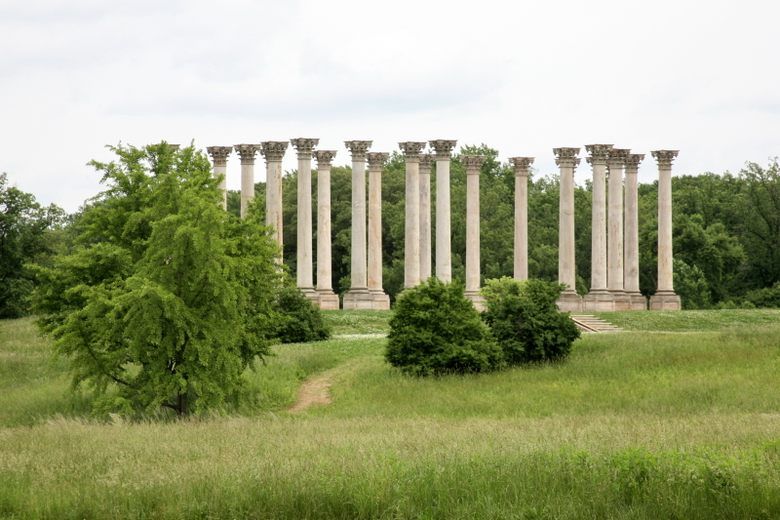
National Capitol Columns
Washington, District of Columbia
These towering Corinthian pillars once supported the U.S. Capitol’s east portico, witnessing the inaugurations of Lincoln and Jackson before being retired to a quiet, open field.
The Exorcist Stairs
Washington, District of Columbia
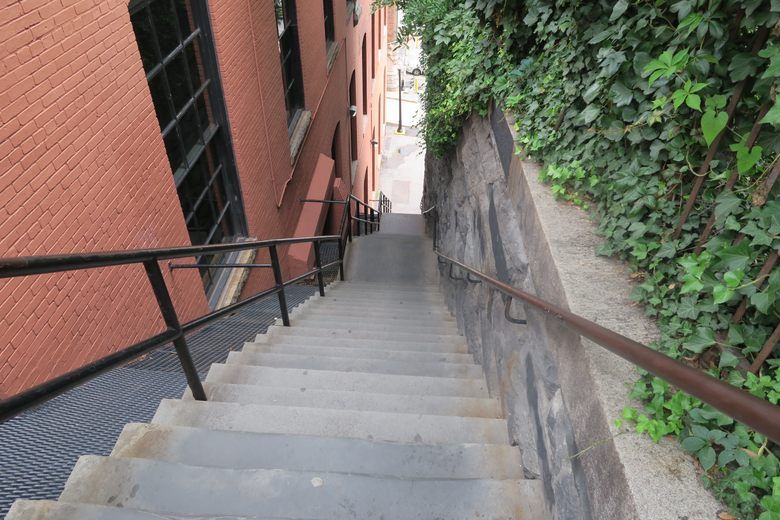
This dizzying staircase in Georgetown is the site of one of horror's most iconic finales. Movie buffs and fitness enthusiasts alike brave the narrow, ivy-choked passage to stand where Father Karras made his final sacrifice.
International Spy Museum
Washington, District of Columbia
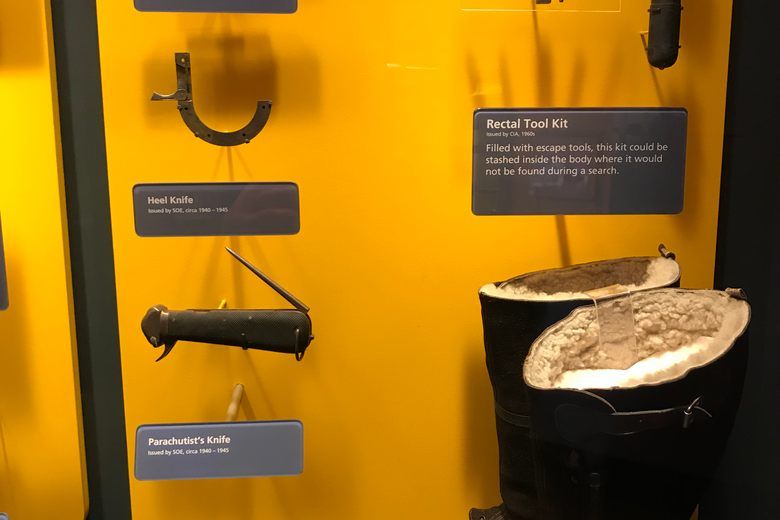
This is espionage told through the actual objects, concealment devices, tradecraft tools, and artifacts that spent years out of public view. It treats spying as a real profession with real consequences, not a movie fantasy.