Washington, D.C. Living Art
National Bonsai Museum: Ancient Trees and Hiroshima Survivors
Washington, District of Columbia, United States
By the Wicked Cool Places editors · Published · Updated
Why it’s cool
This horticultural sanctuary houses a Japanese white pine cultivated since 1625 and miraculously survived the atomic blast at Hiroshima.
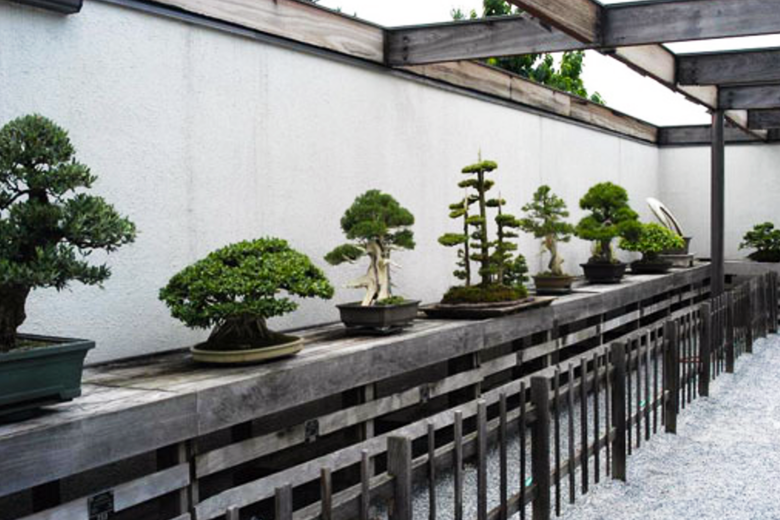
Tucked within the lush expanses of the National Arboretum, a specialized collection of horticultural masterpieces offers a meditative escape from the marble monuments of the capital. This isn't just a garden; it is a living archive of patience and international friendship.
Why It Stands Out
The museum’s origins date back to 1976, when Japan gifted 53 trees to the United States to mark the Bicentennial. This gesture followed a long tradition of botanical diplomacy, similar to the gift of cherry blossoms in 1912.
Today, the collection has grown to approximately 150 specimens, ranging from maples and beeches to rugged pines. Visitors can observe various traditional techniques, such as the formal, upright Chokkan style or the dramatic kengai style, where branches cascade downward as if clinging to a mountain cliff.
The undisputed centerpiece is a Japanese white pine that began its journey in 1625. Since 1625, the tree has been tended by the Yamaki family across generations.
Most remarkably, it was located in Hiroshima during the 1945 atomic blast and survived the explosion, eventually making its way to Washington as a symbol of peace. Beyond the individual trees, the museum showcases diverse compositions including "root-over-rock" arrangements and "forest" displays that place multiple trees in a single vessel to mimic a natural grove.
Before You Go
The museum is situated within the Department of Agriculture's National Arboretum. While the grounds are expansive, the bonsai collection is a distinct highlight that requires its own dedicated time to appreciate the intricate details of the training process.
The site is accessible via public transit, though it requires a bit of a walk from the station. Another unique destination in the city is The Mansion on O Street.
Questions worth answering
What's the history behind the most famous tree in the collection?
The Japanese white pine has been growing since 1625. It was kept by the Yamaki family and lived through the 1945 Hiroshima explosion before coming here as a peace offering.
How did this collection end up in the capital?
Japan sent 53 trees in 1976 for the American Bicentennial. We've taken our own editorial from there, noting the museum now holds around 150 different specimens.
Is it difficult to reach the museum without a car?
The Rhode Island Avenue Metro is your closest stop. You'll still have to walk a fair distance from the station to reach the Arboretum grounds.
What kind of visual experience should we expect?
It's a scenic spot where you'll see trees shaped in the cascading kengai style or the upright Chokkan form. Some arrangements even use a single vessel to recreate an entire forest grove.
More in Northeast
All Northeast places →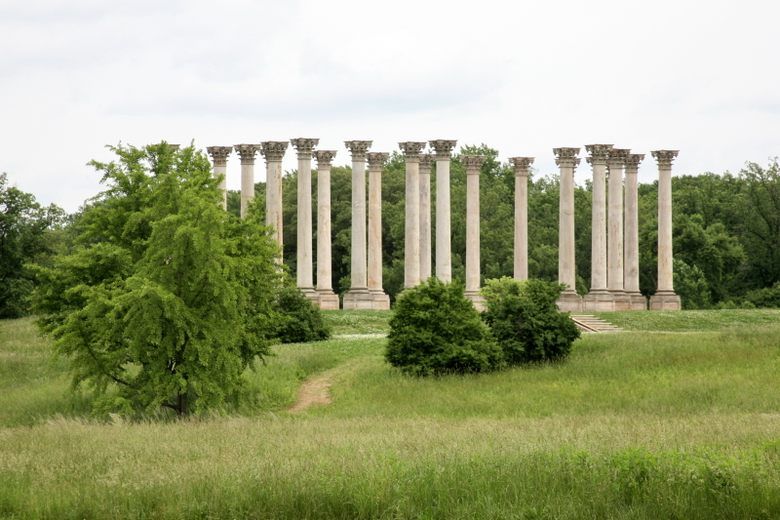
National Capitol Columns
Washington, District of Columbia
These towering Corinthian pillars once supported the U.S. Capitol’s east portico, witnessing the inaugurations of Lincoln and Jackson before being retired to a quiet, open field.
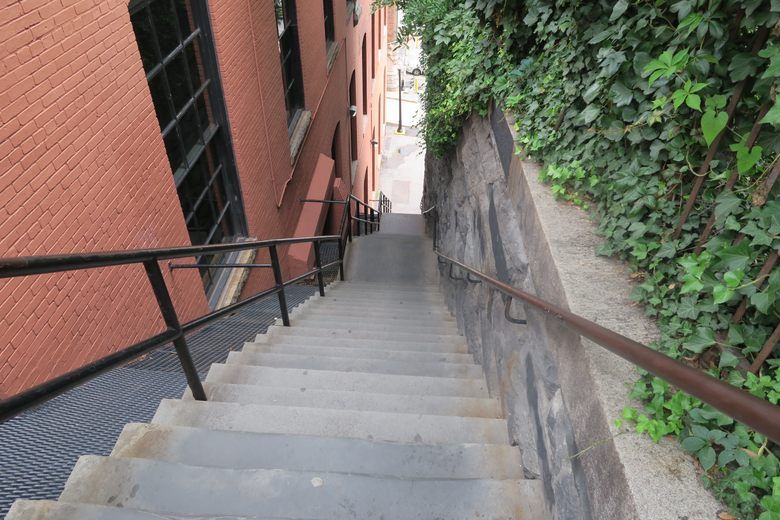
The Exorcist Stairs
Washington, District of Columbia
This dizzying staircase in Georgetown is the site of one of horror's most iconic finales. Movie buffs and fitness enthusiasts alike brave the narrow, ivy-choked passage to stand where Father Karras made his final sacrifice.
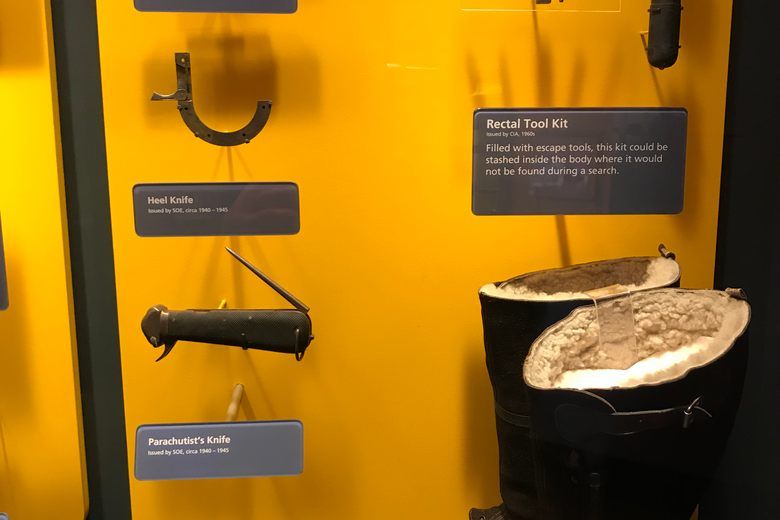
International Spy Museum
Washington, District of Columbia
This is espionage told through the actual objects, concealment devices, tradecraft tools, and artifacts that spent years out of public view. It treats spying as a real profession with real consequences, not a movie fantasy.