South Loop Urban Art
Wabash Arts Corridor: Chicago's Massive Open Air Mural Gallery
Chicago, Illinois, United States
By the Wicked Cool Places editors · Published
Why it’s cool
This sprawling collection of high-rise murals transforms the South Loop into a public gallery featuring works by street artists including Shepard Fairey and Retna.
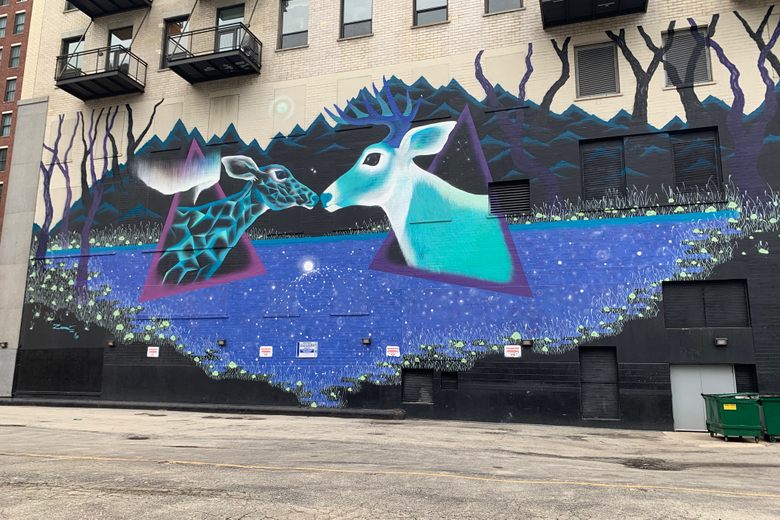
Walking through Chicago's South Loop feels like navigating a museum without walls. This urban district serves as a massive canvas where the brick and concrete of the city provide the backdrop for some of the most significant street art in the country.
What began as a local initiative has evolved into an international destination for fans of public art. Fans of such urban art projects might also enjoy Philadelphia's Magic Gardens.
Why It Stands Out
Columbia College Chicago launched this project in 2013 to push creativity beyond the classroom and into the streets. The initiative gained significant momentum in 2014 during a collaboration with Shepard Fairey.
This partnership resulted in several massive installations by names such as POSE, Retna, and Cleon Peterson. The corridor is also a testament to the changing nature of the city.
Some pieces have become part of the local lore due to their struggle for survival. A notable work by Cleon Peterson was famously targeted by local graffiti artists shortly after its debut.
Later, the construction of a neighboring high-rise nearly swallowed the piece entirely. Today, only a small sliver of the original work remains visible from the street, tucked away behind new steel and brick.
This constant tension between new development, local tagging, and intentional public art makes the area feel like a living, breathing entity.
Before You Go
The gallery is spread across a wide area of the South Loop, primarily centered along Wabash Avenue. Because new works are added regularly, the landscape is always shifting.
The district is highly accessible via public transit. The Money Museum is another local point of interest accessible by transit.
You can start your tour at the north end near the Harrison Red Line station or begin at the south end by the Roosevelt stop. While the sidewalks are generally smooth and include standard curb cuts for accessibility, the sheer scale of the corridor means you should prepare for a significant amount of walking to see everything.
Questions worth answering
How do I get to the murals using the train?
The Harrison station on the Red Line puts you at the north end. If you prefer starting south, use the Roosevelt stop instead.
Is it difficult to navigate the area with a wheelchair?
The sidewalks are generally level and have standard curb cuts. It's a smooth route, but the distance between pieces is substantial.
Who are some of the artists featured in the collection?
You'll see large-scale works by Shepard Fairey and Retna. Other major installations include pieces by POSE and Cleon Peterson.
Why does the art in the district keep changing?
New buildings and local tagging constantly alter the landscape. Some works are nearly hidden now by recent construction projects.
More in Midwest
All Midwest places →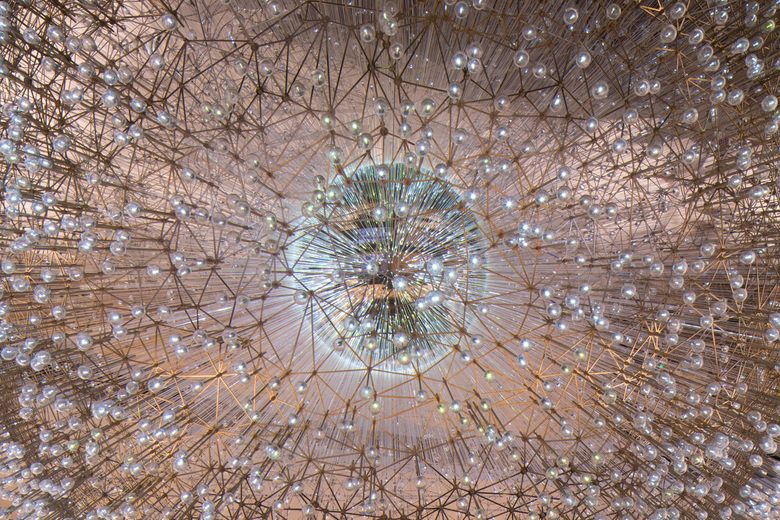
Lucent
Chicago, Illinois
This thirteen foot sculpture uses over three thousand hand blown bulbs to create a three dimensional map of every star visible in the northern night sky.
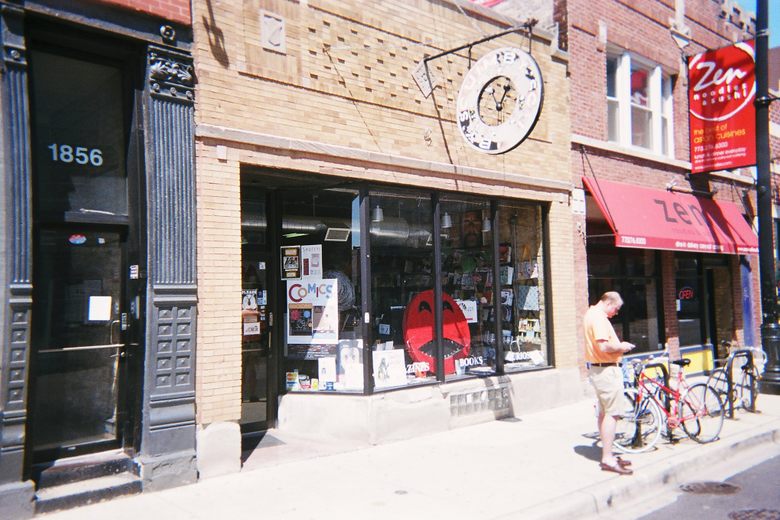
Quimby's Bookstore
Chicago, Illinois
This defiant Wicker Park institution serves as a dedicated sanctuary for zines and independent media, specializing in the strange, the occult, and the erotic.
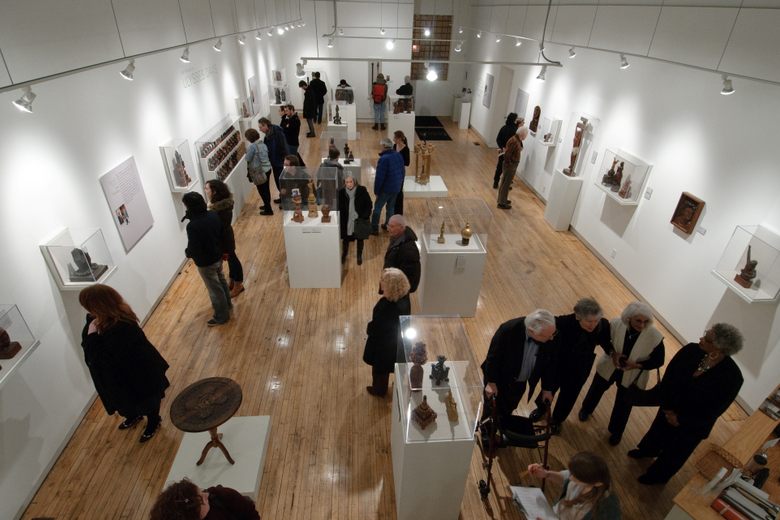
Intuit: The Center for Intuitive and Outsider Art
Chicago, Illinois
This institution is the only American nonprofit focused exclusively on self-taught artists, housing over a thousand works and a complete recreation of Henry Darger's living quarters.