Philadelphia Folk Art Environment
Philadelphia’s Magic Gardens: A Labyrinth of Shimmering Mosaics
Philadelphia, Pennsylvania, United States
By the Wicked Cool Places editors · Published · Updated
Why it’s cool
This sprawling urban sanctuary transforms a vacant South Street lot into a shimmering labyrinth of found objects, intricate tilework, and hand-sculpted tunnels that celebrate decades of community-driven folk art.
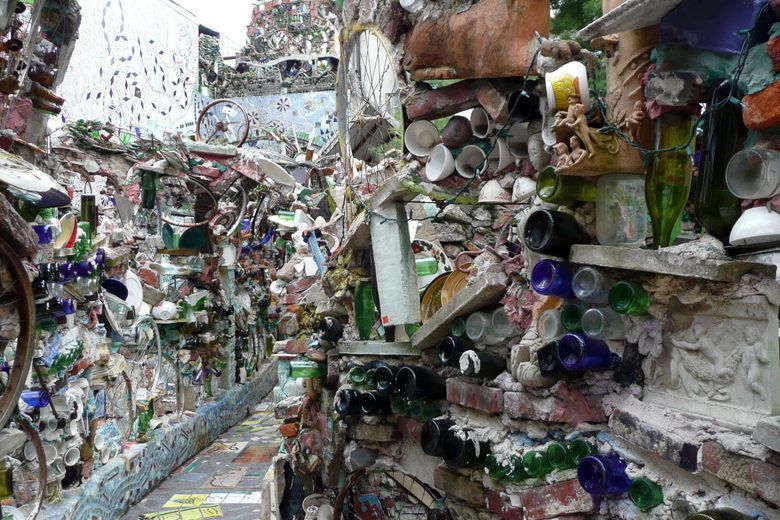
South Street holds a secret world where the mundane debris of urban life (shattered mirrors, discarded bicycle wheels, and broken pottery) is reborn as a kaleidoscopic wonderland. This is the magnum opus of Isaiah Zagar, an artist who spent fourteen years hand-sculpting a 3,000-square-foot environment that feels less like a gallery and more like a subterranean dreamscape.
Why It Stands Out
The story of the Magic Gardens began in the late 1960s when Zagar and his wife Julia arrived in the neighborhood with a vision for creative revitalization. While they initially focused on renovating derelict buildings like the Eyes Gallery, Zagar eventually turned his attention to a vacant lot in 1994.
For over a decade, he excavated tunnels and built multi-layered walls, meticulously grouting thousands of square feet of space. This solitary labor of sculpting environments is reminiscent of the work found at Ra Paulette's Hand-Carved Caves.
The result is a dense, tactile autobiography told through material. A similar reuse of discarded items into folk art can be seen at the Doll's Head Trail.
Visitors can wander through grottos adorned with Latin American sculptures, Asian folk art, and local artifacts like wheels from nearby Via Bicycles. Another local site celebrating international design is the Shofuso Japanese House and Garden.
It is a visual record of Zagar’s life and artistic influences, spanning half a city block. In 2002, the site faced the threat of demolition when the property owner sought to sell the land.
However, a massive community effort saved the installation, turning it into a non-profit dedicated to preserving Zagar’s legacy and the vibrant spirit of South Street. It stands today as a testament to the power of public art to define and protect a neighborhood's identity.
Before You Go
Today, the site functions as a permanent cultural institution and a living piece of Philadelphia history. Beyond the main labyrinth, the organization preserves dozens of public murals scattered throughout the surrounding blocks.
If you want to dive deeper into the technique, the center occasionally hosts workshops where Zagar himself teaches the art of mosaic. The space also serves as a community hub for concerts and performances, ensuring the "gardens" remain as dynamic as the neighborhood that fought to keep them.
Questions worth answering
What's the story behind the trash used in the walls?
Isaiah Zagar spent fourteen years turning urban debris like shattered mirrors, bicycle wheels, and broken pottery into this 3,000-square-foot environment. It's a tactile autobiography that functions more like a subterranean dreamscape than a standard gallery.
Can I visit any day of the week?
No. The site is closed on Tuesdays, so plan your walk down South Street accordingly.
Is this just a static art installation?
It's a living piece of history that hosts concerts, performances, and mosaic workshops occasionally taught by Zagar himself. The organization also looks after dozens of public murals in the blocks surrounding the main labyrinth.
How did this project start?
We used the Philadelphia’s Magic Gardens records as a starting point, then built our own editorial from there. The site began in 1994 on a vacant lot and was eventually saved from demolition by a community effort in 2002.
More in Northeast
All Northeast places →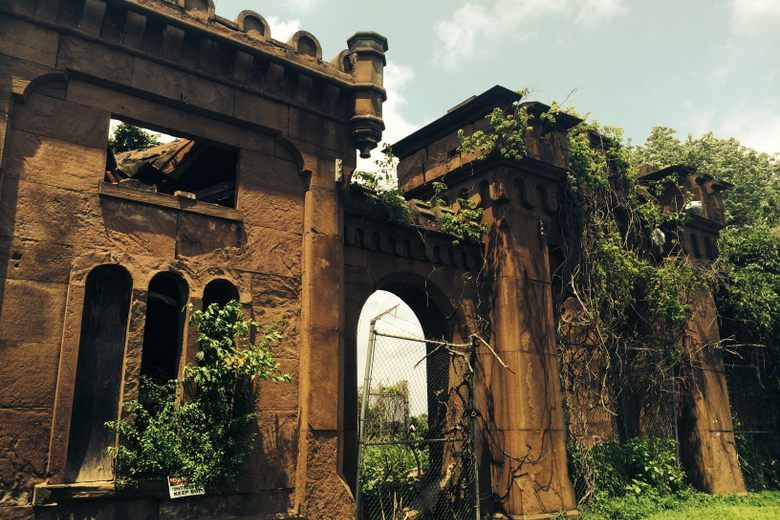
Mount Moriah Cemetery
Philadelphia, Pennsylvania
This sprawling Victorian burial ground was left without an owner for years, allowing a massive forest to consume its ornate Gothic tombs and grand Romanesque architecture.
Edgar Allan Poe National Historic Site
Philadelphia, Pennsylvania
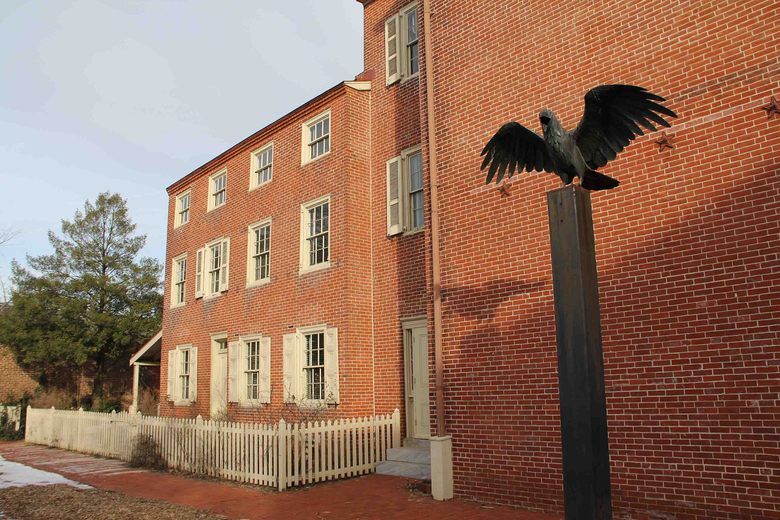
Visitors can descend into the very basement that likely provided the architectural inspiration for the gruesome ending of "The Black Cat" and listen to celebrity readings of Poe's work.
Cave of Kelpius
Philadelphia, Pennsylvania
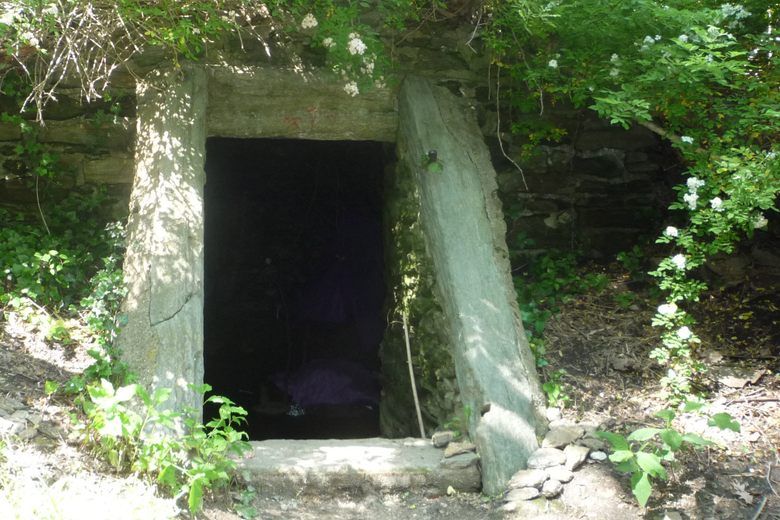
This enigmatic stone chamber was the 17th-century base for a group of German mystics who predicted the imminent end of the world.