Historic New Orleans Cemetery
Marie Laveau's Tomb: The Voodoo Queen’s Resting Place
New Orleans, Louisiana, United States
By the Wicked Cool Places editors · Published · Updated
Why it’s cool
This legendary site honors the most famous Voodoo priestess in American history. Located in New Orleans' oldest cemetery, the tomb serves as a powerful symbol of the city's unique spiritual heritage and 19th-century Creole culture.
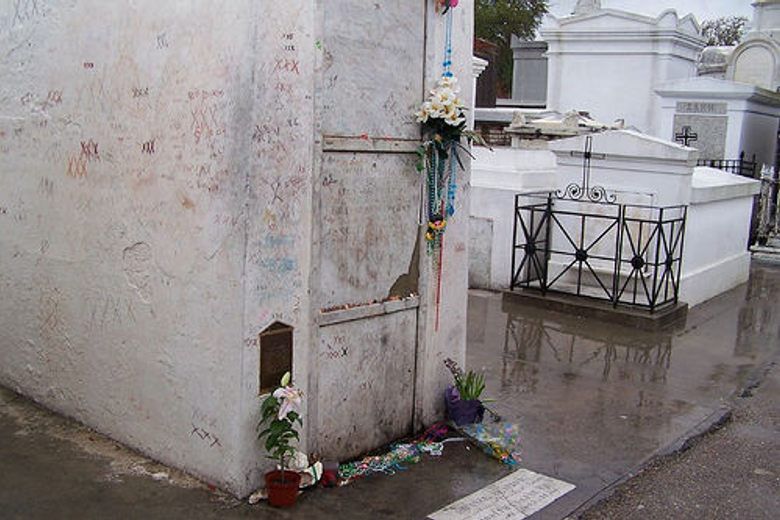
Deep within the labyrinthine rows of St. Louis Cemetery No.
1 lies the whitewashed vault of a woman whose influence once reached every corner of New Orleans society. Marie Laveau, the city's most iconic Voodoo priestess, was a 19th-century figure of immense power, blending African, Catholic, and Native American traditions into a unique spiritual practice.
While her life story is often blurred by the exploits of her daughter, who shared her name and vocation, the original Laveau remains the primary focus of local lore and international fascination.
Why It Stands Out
Laveau was far more than a mystic; she was a central figure in the social fabric of Old New Orleans. Working as a hairdresser, she gained intimate access to the secrets of the wealthy while simultaneously providing spiritual counsel and "gris-gris" charms (sachets filled with herbs, stones, and other artifacts) to the marginalized.
Her reputation for granting wishes and even intervening in the fates of condemned prisoners made her a living legend. Today, her purported final resting place in the Glapion family tomb attracts a steady stream of visitors.
Though some historians debate whether she truly rests here, her presence is felt in the layers of tradition surrounding the site. For decades, visitors scribbled marks on the tomb to petition for favors, a practice that has since been strictly banned to protect the fragile masonry of the 1789 cemetery.
Before You Go
Accessing the tomb requires a bit of planning, as St. Louis Cemetery No.
1 is no longer open for casual wandering. Since 2015, visitors are only permitted entry if accompanied by a licensed tour guide or if they have family members interred within the gates.
Similar historic burial grounds include Forest Hills Cemetery. While exploring, keep an eye out for other notable figures, such as civil rights pioneer Homer Plessy.
Other notable historic burial sites include Mount Moriah Cemetery. Be aware that the tomb was restored in 2014, and strict rules are now in place to prevent vandalism; those caught marking the grave face significant fines.
The cemetery itself is a masterpiece of above-ground architecture, featuring monuments that have stood since the late 18th century. This site is part of the historic Saint Louis Cemetery No. 1.
Questions worth answering
Can we just walk in to see the grave?
The gates aren't open for casual strolls anymore. Since 2015, you'll need a licensed guide to get you inside, unless you have family buried there.
What's the deal with the marks on the stone?
People used to scribble on the vault to ask for favors, but that's over. The 2014 restoration put an end to it, and the fines for vandalism are heavy now.
Is this definitely where she's buried?
The Glapion family vault is the spot everyone visits, though historians still argue about the details. We took the initial notes from Marie Laveau's Tomb and built our own editorial from there.
What kind of atmosphere should we expect?
It's a historic site filled with 18th-century above-ground architecture and whitewashed masonry. You're standing in the oldest burial ground in the city, surrounded by figures like Homer Plessy.
More in Southeast
All Southeast places →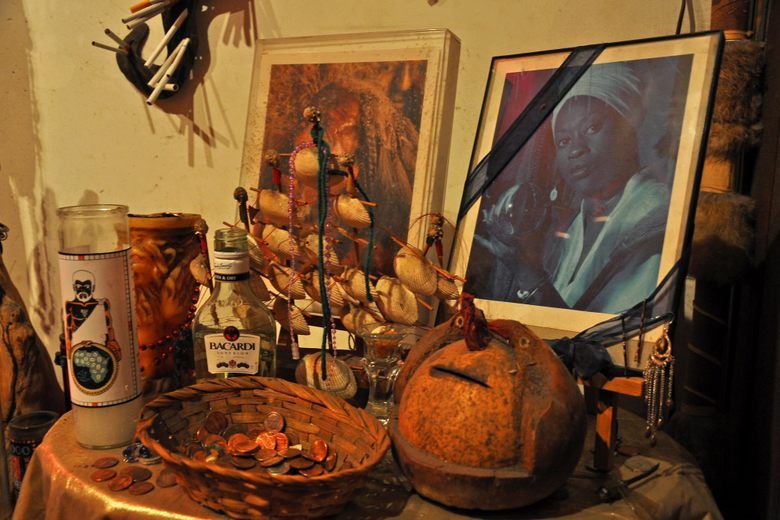
New Orleans Historic Voodoo Museum
New Orleans, Louisiana
This dense collection of occult artifacts preserves the complex spiritual heritage of Louisiana, blending West African traditions with Catholic influences in the heart of the French Quarter.
Jean Lafitte's Old Absinthe House
New Orleans, Louisiana
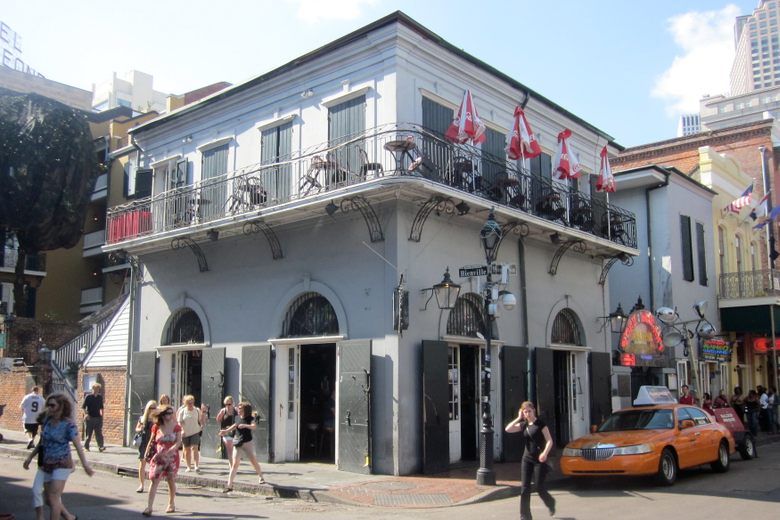
This legendary French Quarter tavern hosted the secret negotiations between a pirate and a future president that secured American victory in the War of 1812, and it still serves traditional absinthe today.
Saint Louis Cemetery No. 1
New Orleans, Louisiana
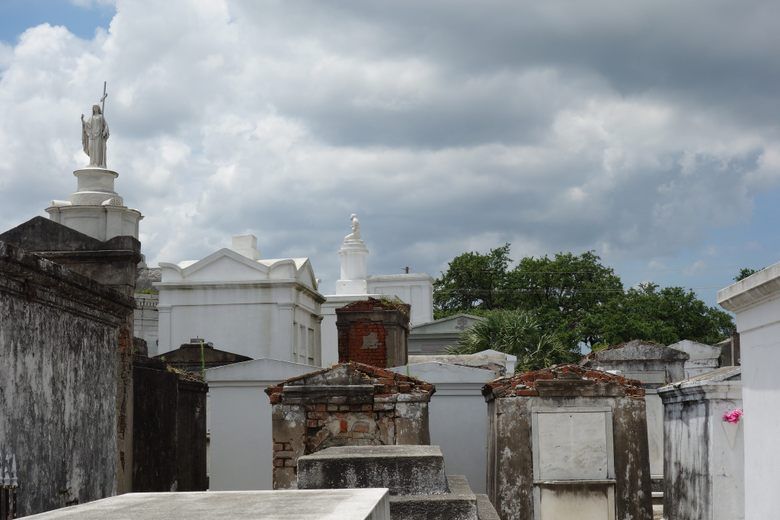
As the most ancient burial ground in New Orleans, this site has served as a silent witness to more than two centuries of the city's evolving history.