New Orleans, Louisiana
The Tree of Life: New Orleans’ Massive Oak with a Zoo View
New Orleans, Louisiana, United States
By the Wicked Cool Places editors · Published · Updated
Why it’s cool
This centuries-old live oak offers massive, climbable limbs and a secret vantage point into the neighboring zoo's giraffe habitat.
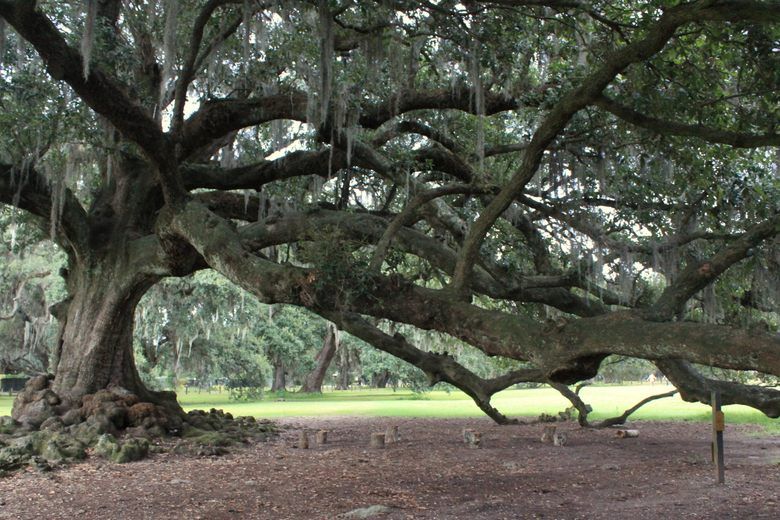
Deep within the lush expanse of Audubon Park stands a botanical giant that has witnessed centuries of Crescent City history. Known formally as the Étienne de Boray Oak, this massive live oak is more affectionately dubbed the "Tree of Life" by the locals who have sought shade and adventure beneath its sprawling canopy for generations.
Its thick, gnarled limbs reach out like weathered arms, some dipping low enough to touch the earth before sweeping back toward the sky.
Why It Stands Out
While New Orleans is famous for its historic architecture, this tree is a living monument. It was named for the city's first mayor, a man instrumental in establishing the local sugarcane industry, though the tree likely predates his plantation.
The Live Oak Society, which recognizes the most significant specimens in the region, estimates this particular tree could be anywhere from 100 to 500 years old. Another musical landmark in the city's collection of trees is The Singing Oak.
What truly sets the Tree of Life apart from other historic oaks is its status as a community hub. It is a premier destination for tree climbers, featuring sturdy branches often equipped with makeshift ropes or handles left behind by previous visitors.
Its dramatic, drooping silhouette makes it a sought-after backdrop for wedding photography, but the most whimsical secret lies just past its trunk. The tree sits directly against the boundary of the Audubon Zoo.
If you time your visit correctly and find a high enough perch among the branches, you can look right over the enclosure wall to find yourself eye-to-eye with the zoo’s giraffes. It is one of the few places in the world where you can climb a tree and find a safari waiting on the other side.
This unique encounter is a highlight for travelers exploring the Southeast.
Before You Go
The tree is tucked away in a quieter section of Audubon Park. To find it, navigate toward the intersection where Annunciation Street terminates.
From there, look across the grassy patch near East Drive. The tree is accessible during park hours, but if you are hoping to catch a glimpse of the giraffes, your best bet is during the daylight hours when the zoo animals are most active in their outdoor habitats.
Questions worth answering
How do we find this specific tree in the park?
Head to the end of Annunciation Street where it meets East Drive. It's sitting across a small patch of grass, away from the busier sections of the park.
Is it actually possible to see animals from the branches?
The tree sits right against the Audubon Zoo boundary. If you climb high enough during daylight hours, you'll likely find yourself looking directly into the giraffe habitat.
What's the history behind the name?
Locals call it the Tree of Life, but it's officially the Étienne de Boray Oak, named after the city's first mayor. The Live Oak Society suggests it's been around for anywhere from 100 to 500 years.
Can we actually climb the thing?
The limbs are thick, gnarled, and often dip to the ground, making them easy to scale. You'll frequently find makeshift ropes or handles left by others who've used it as a community climbing spot.
More in Southeast
All Southeast places →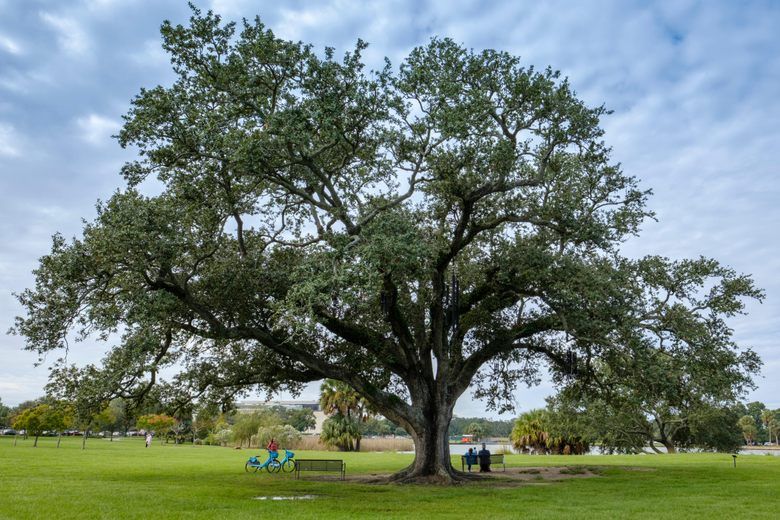
The Singing Oak
New Orleans, Louisiana
Tucked away in City Park, this ancient tree functions as a giant instrument. Its hidden chimes are tuned to the same pentatonic scale found in the city’s jazz and gospel roots.
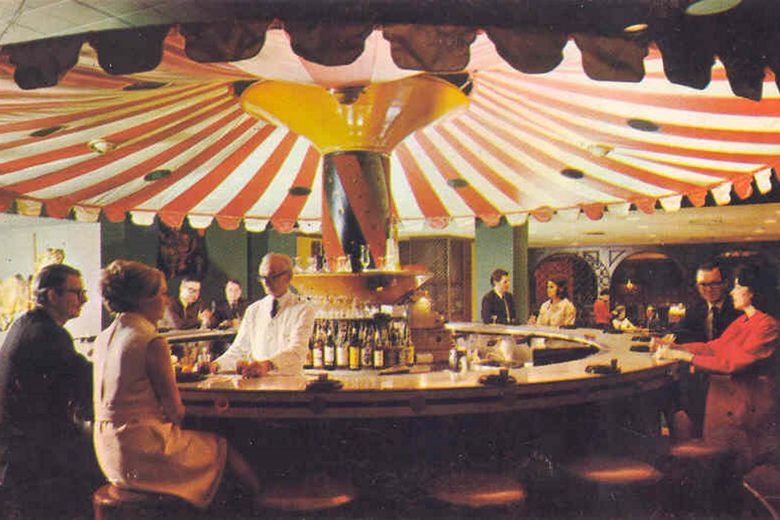
Carousel Bar
New Orleans, Louisiana
Since 1949, this iconic French Quarter landmark has offered patrons a literal spin on the cocktail experience. It remains the city's only revolving bar, turning with the same mechanical grace that once charmed literary legends and eccentric performers.
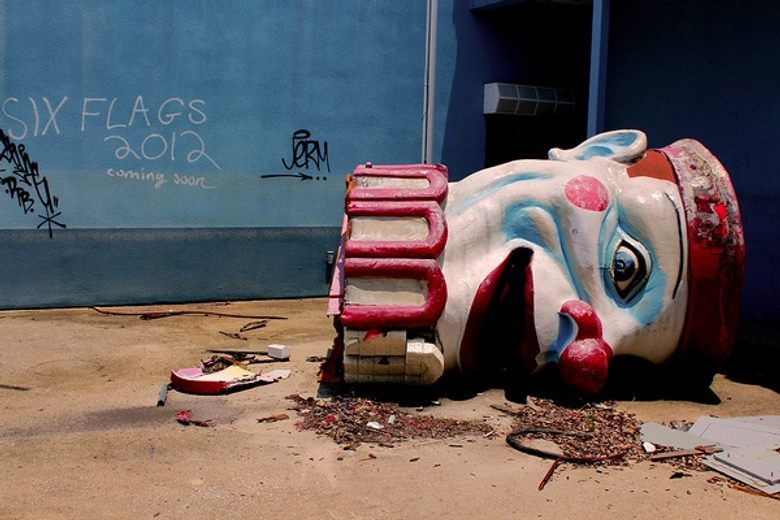
Abandoned Jazzland
New Orleans, Louisiana
This once-vibrant amusement park was transformed into a dystopian wasteland by Hurricane Katrina, leaving behind rusted roller coasters and water-damaged mascots that create a haunting post-apocalyptic scene.