New Orleans Soundscape
Singing Oak: The Pentatonic Chimes of City Park
New Orleans, Louisiana, United States
By the Wicked Cool Places editors · Published · Updated
Why it’s cool
Tucked away in City Park, this ancient tree functions as a giant instrument. Its hidden chimes are tuned to the same pentatonic scale found in the city’s jazz and gospel roots.
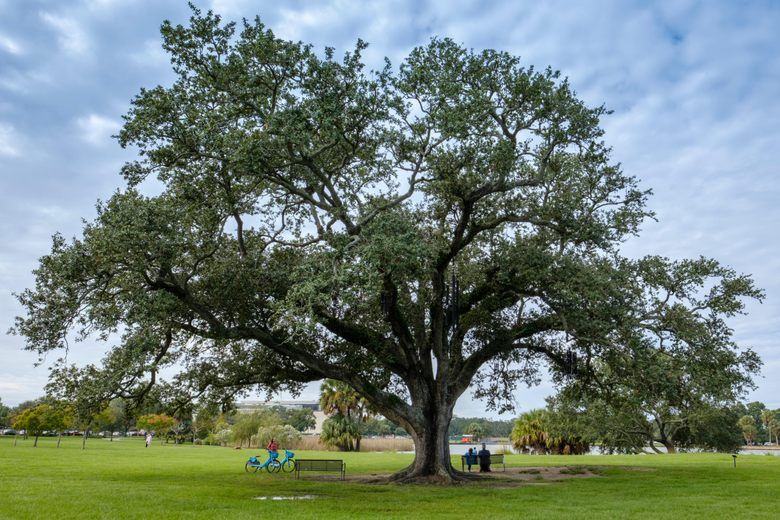
Deep within the lush greenery of City Park, the air often carries a haunting, melodic resonance that seems to emanate from the trees themselves. This isn't a trick of the wind, but a deliberate installation by local artist Jim Hart.
Known as the Singing Oak, this 125-year-old specimen serves as a living concert hall for a set of oversized wind chimes that transform every breeze into a coordinated musical performance. Another impressive local specimen is The Tree of Life.
Why It Stands Out
While many public art pieces demand attention with bright colors, Hart’s work is designed to be felt rather than seen. He painted the seven chimes matte black, allowing them to disappear into the deep shadows cast by the oak's sprawling canopy.
The scale of the instruments is staggering, with the largest chime stretching 14 feet toward the ground. Most significantly, the entire set is tuned to the pentatonic scale.
This choice is a subtle nod to the cultural DNA of New Orleans, as these specific notes form the backbone of West African music, gospel, and the early jazz that defined the city. The result is a harmonious, tinkling symphony that feels far more intentional than a standard set of porch chimes.
Before You Go
You can find the tree standing near the banks of a nearby lake, just a short walk from the New Orleans Museum of Art. It is a public space, making it an ideal spot to escape the Southeast humidity during the summer months.
Because the chimes are camouflaged, you may need to listen closely to locate the exact trunk. There is no cost to visit, and the area offers plenty of space to sit and soak in the atmosphere.
It is a rare spot of meditative quiet in a city known for its high-energy brass bands. The city also contains quieter, more somber sites like Abandoned Jazzland.
Questions worth answering
How do we find the tree if it looks like the others?
The chimes are painted matte black to stay hidden in the shadows, so you'll have to rely on your ears. Head toward the lake near the New Orleans Museum of Art and listen for the pentatonic scale.
What makes these chimes different from something on a porch?
Jim Hart's installation uses seven oversized chimes, the largest reaching 14 feet. They're tuned to the specific scale that underpins the city's jazz and gospel history, making the wind sound like a deliberate performance.
Is this a good spot to get away from the typical New Orleans noise?
It's a rare pocket of meditative quiet compared to the usual brass bands. The oak's canopy provides enough shade to make the humidity manageable while you sit by the water.
Who created this installation and what is the significance of the tuning?
Local artist Jim Hart designed these seven matte black chimes to blend into the canopy. He tuned the instruments to a pentatonic scale as a tribute to the West African and gospel foundations of the city's musical history.
More in Southeast
All Southeast places →
New Orleans Historic Voodoo Museum
New Orleans, Louisiana
This dense collection of occult artifacts preserves the complex spiritual heritage of Louisiana, blending West African traditions with Catholic influences in the heart of the French Quarter.
Jean Lafitte's Old Absinthe House
New Orleans, Louisiana
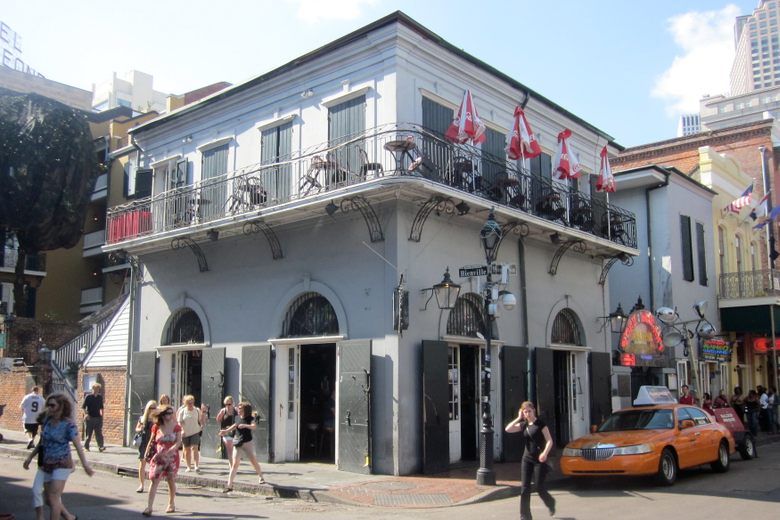
This legendary French Quarter tavern hosted the secret negotiations between a pirate and a future president that secured American victory in the War of 1812, and it still serves traditional absinthe today.
Saint Louis Cemetery No. 1
New Orleans, Louisiana
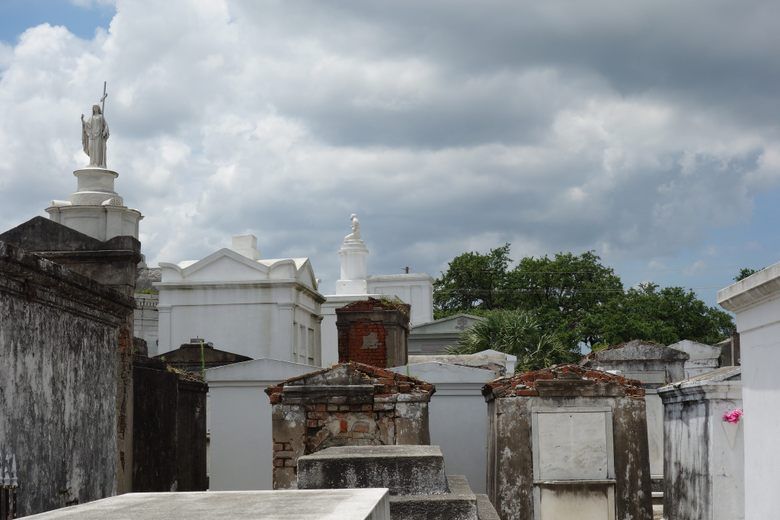
As the most ancient burial ground in New Orleans, this site has served as a silent witness to more than two centuries of the city's evolving history.