Los Angeles Waterfront
Venice of America Canals: A Reclaimed Italian Vision in LA
Los Angeles, California, United States
By the Wicked Cool Places editors · Published
Why it’s cool
These historic waterways survived decades of neglect and the rise of the automobile to become a lush, hidden residential sanctuary modeled after Italy.

Abbot Kinney looked at the marshy coastline of Southern California and saw something far more grand than a swamp. In 1905, the tobacco millionaire launched his ambitious Venice in America project.
He intended to build a luxury seaside resort that captured the romantic spirit of Italy. His creation featured miles of man-made waterways where gondoliers navigated past banks overflowing with flowers.
For a brief period, these canals were the centerpiece of a thriving destination.
Why It Stands Out
The romance of the canals was short-lived as the automobile took over American life. In the eyes of urban planners, the waterways were an obstacle to progress and traffic.
Most of the channels were filled in with dirt and paved over to create streets. The few blocks that were spared soon fell into deep neglect.
For nearly half a century, the area was a site of political gridlock and environmental concern. The water grew stagnant and the bridges crumbled.
It took forty years of debate before a massive restoration project finally brought the district back to life. Today, the surviving six canals represent a quiet, decadent pocket of Los Angeles history.
The neighborhood is a study in architectural contrast. Another site preserving the city's architectural evolution is the Heritage Square Museum.
Ultra-modern glass residences sit beside funky, artistic cottages. Dense, multi-layered landscaping hangs over the water, creating a green tunnel for those walking the pedestrian paths.
If you visit during the spring or summer, you might see families of ducks navigating the shallow water. It is a slow-paced sanctuary that feels worlds away from the nearby beach crowds.
The Self-Realization Fellowship Lake Shrine offers a similar sense of quiet reflection nearby.
Before You Go
The canals are located in a residential neighborhood, so visitors should remain respectful of the people living there. The paths are narrow and intended for walking.
While the area is public, there are no commercial shops or restaurants within the canal grid itself. You can reach the entrance by walking north from the Venice Fishing Pier along Speedway Street.
After turning right on 27th Avenue, you will need to cross Pacific Avenue to find the footpaths.
Questions worth answering
How do we find the entrance to the waterways?
Start at the Venice Fishing Pier and head north along Speedway Street. Turn right on 27th Avenue and cross Pacific Avenue to reach the footpaths.
Can we grab a coffee or lunch while we walk the paths?
You won't find any shops or restaurants inside the residential grid. It's a quiet area meant for walking past homes and gardens.
What kind of architecture should we expect to see?
The neighborhood is a mix of styles. High-tech glass houses stand right next to small, artistic cottages from different eras.
Is the area still as large as it was in 1905?
Most of the original channels were filled with dirt for cars. Only six canals remain today after decades of neglect and a major restoration.
More in West Coast
All West Coast places →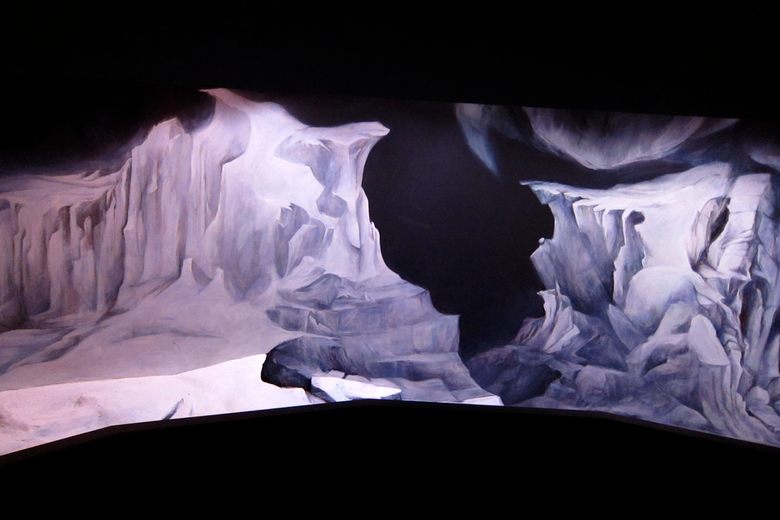
Velaslavasay Panorama
Los Angeles, California
This venue revives the lost art of panoramic paintings, surrounding visitors with massive landscapes inside a vintage theater complete with a secret garden.
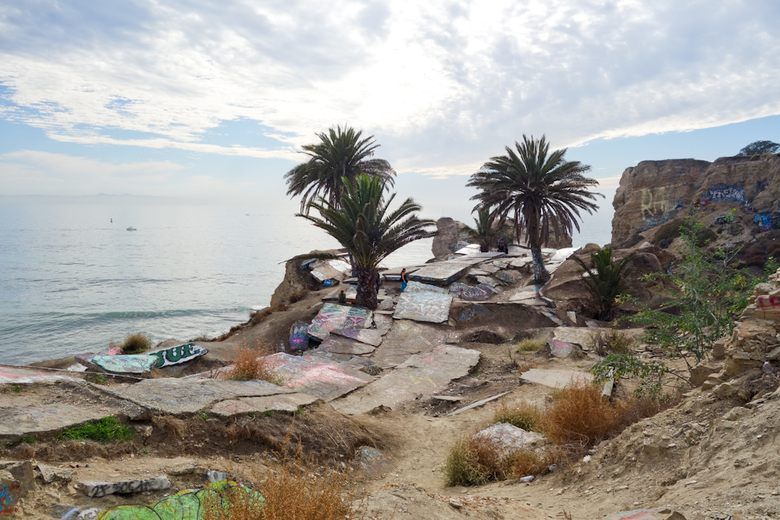
Sunken City
Los Angeles, California
This coastal ghost town features the broken foundations and abandoned rail lines of a neighborhood that literally slid into the sea during a massive 1929 geological shift.
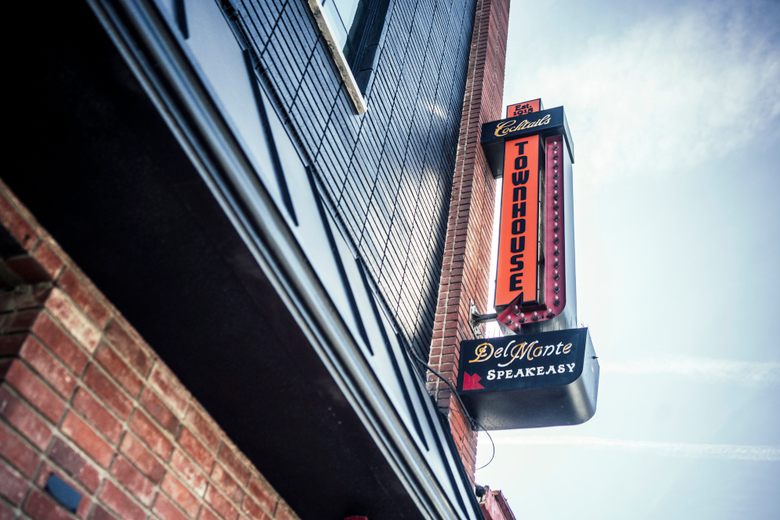
Townhouse Bar and Speakeasy
Los Angeles, California
This Venice legend has served drinks continuously since 1915, surviving Prohibition through a network of secret tunnels that funneled illegal rum and whiskey directly from the pier into its basement.