San Pedro, California
Sunken City: The Ruined Coastline of San Pedro
Los Angeles, California, United States
By the Wicked Cool Places editors · Published · Updated
Why it’s cool
This coastal ghost town features the broken foundations and abandoned rail lines of a neighborhood that literally slid into the sea during a massive 1929 geological shift.
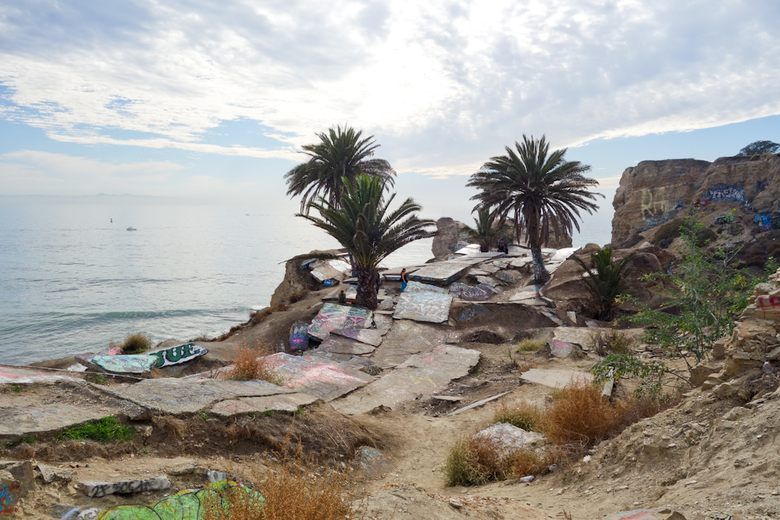
Perched on the edge of the Pacific, the San Pedro coastline hides a fractured landscape of concrete and memory. This area, famously known as the Sunken City, was once a stable neighborhood of wooden homes and bustling streets until the earth beneath it began to fail.
In 1929, a massive landslide caused the ground to move at a staggering rate of 11 inches every day, eventually dragging a significant portion of the community toward the ocean. While many houses were successfully moved to safer ground, the infrastructure that remained was left to crumble into the surf.
Why It Stands Out
The site offers a haunting visual record of a natural disaster. Visitors looking from a distance can still spot the remnants of the old Red Car streetcar tracks, jagged sections of sidewalk, and the concrete footprints of homes that once stood between Paseo Del Mar and Pacific Avenue.
Beyond its geological history, the location holds a place in pop culture history. The Old Zoo Picnic Area is another local site featuring historic ruins.
Fans of *The Big Lebowski* will recognize the craggy cliffs as the spot where Walter and The Dude attempted to scatter Donny’s ashes from a coffee can, only to have the wind blow them right back into their faces.
Before You Go
It is vital to understand that the Sunken City is strictly off-limits. The area is a posted "No Trespassing" zone, and local authorities, including the LAPD and Port Police, frequently conduct sweeps.
Entering the fenced-off ruins is not only illegal but physically dangerous due to the unstable, crumbling terrain. Falls are common, necessitating weekly emergency rescues by the fire department.
Trespassers face steep citations starting at $450, and vehicles parked nearby are often towed, incurring heavy daily storage fees. The surrounding community is very active in reporting intruders, so it is best to appreciate this site through photos and videos rather than risking a visit in person.
Questions worth answering
What exactly happened to this neighborhood?
A massive shift in the earth started in 1929, moving the ground eleven inches daily. Most houses were saved, but the remaining streets and rail lines eventually slid toward the Pacific.
Can we walk through the ruins?
No, the area is strictly off-limits and fenced off for safety. The terrain is unstable, and local police regularly issue citations that start at 450 dollars.
Is there a connection to any movies?
Fans of The Big Lebowski will recognize these cliffs. It is the location where a coffee can was used to scatter ashes in a famously botched scene.
Where did this information originate?
Our entry began with a piece from Sunken City. We took our own editorial from there to highlight the waterfront ruins and the risks involved.
More in West Coast
All West Coast places →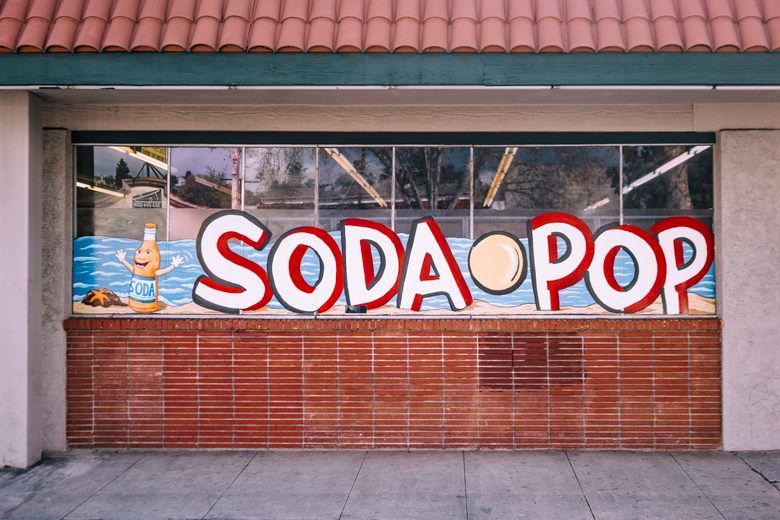
Galco's Soda Pop Stop
Los Angeles, California
This legendary Los Angeles storefront defies corporate soft drink giants by stocking over 500 varieties of niche and international sodas, all curated by a true carbonation connoisseur.
La Brea Tar Pits Dragonfly Fossils
Los Angeles, California
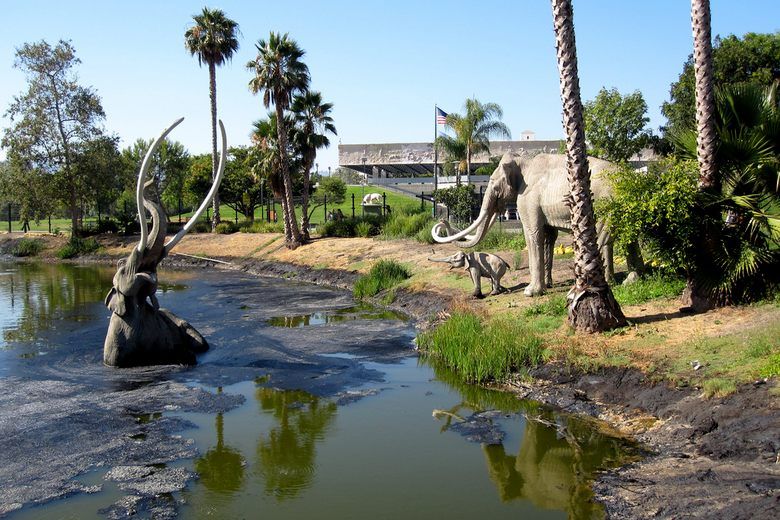
While mammoths and sabertooth cats grab the headlines, these fragile dragonfly fossils are some of the rarest finds ever recovered from the asphalt, providing vital clues about the ancient climate.

Venice of America Canals
Los Angeles, California
These historic waterways survived decades of neglect and the rise of the automobile to become a lush, hidden residential sanctuary modeled after Italy.