Chicago, Illinois
The Secret Mermaid: A Guerrilla Sculpture on the Lakefront
Chicago, Illinois, United States
By the Wicked Cool Places editors · Published
Why it’s cool
Originally a clandestine work of guerrilla art, this stone mermaid survived police patrols and decades of lakefront weather to become an official city landmark.
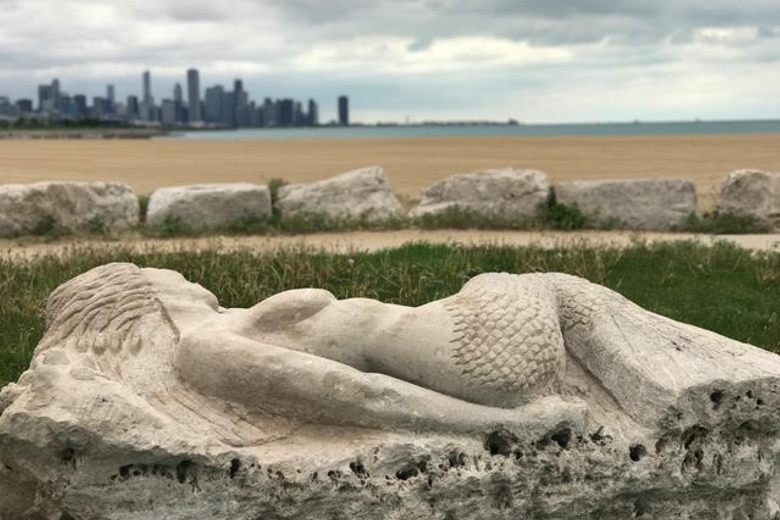
Hidden in plain sight along the Chicago shoreline, a stone figure rests as a testament to local creativity and persistence. This limestone carving was not commissioned by the city or funded by a grant.
Instead, it was born from the clandestine labor of four individuals who wanted to leave a mark on their waterfront. Working under the cover of night and the occasional gaze of patrolling officers, the team spent over a week transforming a rocky outcropping into a reclining aquatic figure.
Why It Stands Out
The sculpture represents a rare instance where unauthorized street art was embraced rather than erased. In 1986, Román Villareal, Jose Moreno, Fred Arroyo, and Edfu Kingigna chose a secluded spot in Burnham Park for their project.
They managed to finish the piece despite several encounters with law enforcement during the nine day carving process. For years, the mermaid remained a local secret, known only to those who wandered off the beaten path.
Its anonymity ended in 2000 when the U.S. Army Corps of Engineers stumbled upon it during shoreline repairs.
The discovery sparked wild theories about its origin. Some observers guessed it was a relic from a lost mansion or a remnant of the World's Fair.
The truth was far more grounded. Villareal, one of the creators, was actually nearby in a VA hospital when the media frenzy began.
After being moved into storage in 2004, the mermaid was eventually restored with the help of local students and returned to the public in 2007.
Before You Go
The sculpture has occupied its current home since 2010. It is located near the water, positioned close to the paved trails that run through the Oakwood Beach area.
While it is no longer a hidden secret, it remains an evocative piece of the city's artistic history that is best viewed on foot or by bike. The Wooden Block Alley is another surviving piece of the city's older streetscape.
Questions worth answering
Who actually carved the figure?
Four sculptors: Román Villareal, Edfu Kingigna, Fred Arroyo, and Jose Moreno. They cut the limestone over nine days, working around the patrols that kept turning up.
Is this an old relic from the World's Fair?
People used to think it was a mansion remnant or a fair artifact. It's actually a piece of guerrilla art from 1986.
Where can I find the sculpture today?
Look for it by the Oakwood-41st Street Beach. It sits near the paved trails and the water.
How did the city react to an unauthorized carving?
The Army Corps of Engineers found it during shoreline work in 2000. It was eventually restored and returned to the public in 2007.
More in Midwest
All Midwest places →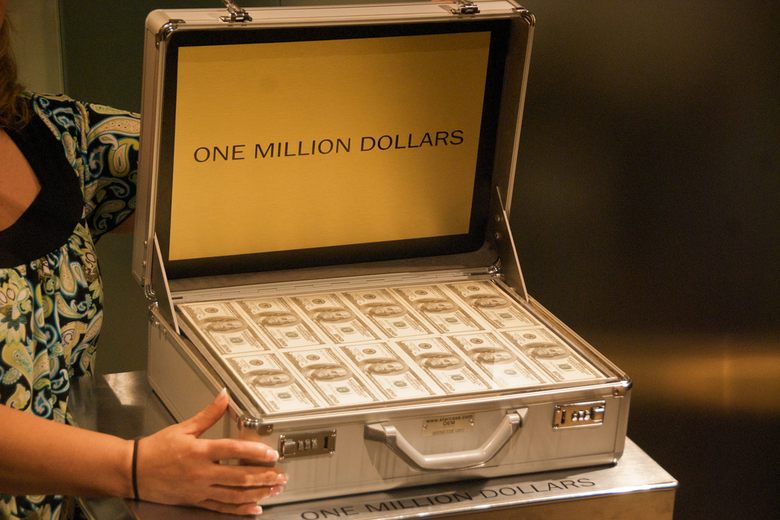
Money Museum
Chicago, Illinois
This small gallery inside the Federal Reserve Bank of Chicago features a million dollars in a single glass cube and gives away bags of shredded currency to every visitor.

Lucent
Chicago, Illinois
This thirteen foot sculpture uses over three thousand hand blown bulbs to create a three dimensional map of every star visible in the northern night sky.
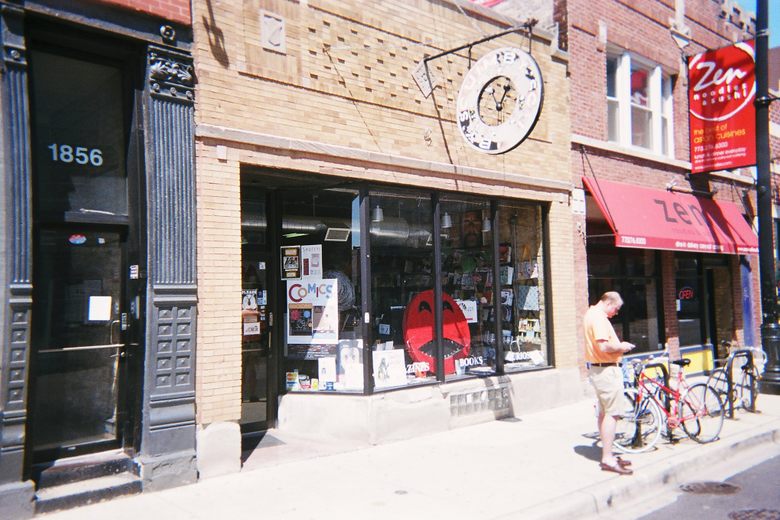
Quimby's Bookstore
Chicago, Illinois
This defiant Wicker Park institution serves as a dedicated sanctuary for zines and independent media, specializing in the strange, the occult, and the erotic.