Chicago, Illinois
Wooden Block Alley: Chicago's Rare Timber Pavement
Chicago, Illinois, United States
By the Wicked Cool Places editors · Published
Why it’s cool
This hidden passage is the last significant stretch of wooden paving in the city. It offers a tactile connection to the era before asphalt when streets were built from timber and tar.
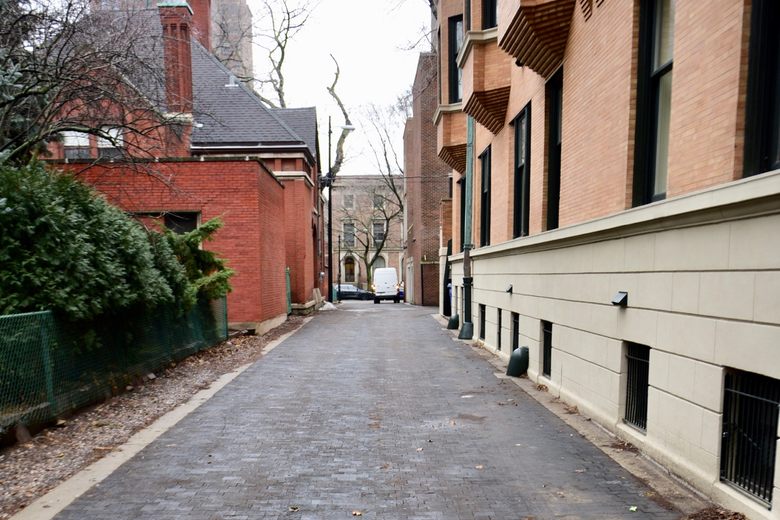
Tucked away in the Gold Coast neighborhood is a narrow passage that feels like a portal to the mid-1800s. While modern Chicago is a landscape of concrete and steel, this specific alleyway preserves a method of urban construction that has almost entirely vanished from the American Midwest.
Walking over these surfaces provides a muffled, organic sound that is a far cry from the rumble of modern tires on pavement.
Why It Stands Out
Starting in the 1850s, Chicago began utilizing wooden blocks to pave its rapidly expanding network of streets. These rectangular segments, typically measuring four by five inches, were set together and reinforced with a mixture of sand and gravel.
To protect the wood and provide a seal, the entire surface was coated in coal tar. While this method was efficient for a growing city, it proved disastrous during the 1871 inferno that leveled much of the downtown area.
Because the roads were essentially made of fuel, the streets themselves caught fire, helping the flames spread with terrifying speed. Most of these flammable thoroughfares were replaced with stone or asphalt long ago.
This particular alley, situated behind the residence of the Archbishop of Chicago, survived the transition. In 2011, the city undertook a careful restoration of the site.
The International Museum of Surgical Science is also located in this historic area. Workers used a combination of salvaged original timber and new blocks to ensure the historical character remained intact.
With the paving over of a similar site on North Hudson in 2018, this location stands as a singular remnant of the city's pre-fire infrastructure.
Before You Go
The alley is situated in a quiet residential area between State Parkway and Astor Street. It is easily accessible on foot and remains open to the public as a functional throughway.
Look for it directly behind the Cardinal's Mansion, where the change in ground texture immediately signals you have found the historic site.
Questions worth answering
Where exactly can I find this historic pavement?
You will find it in the Gold Coast area. It sits in the space between Astor Street and State Parkway.
Is it possible to visit the site at any time?
The passage functions as a public throughway for pedestrians. You can walk through it whenever you like since it remains open.
What makes the sound of this alley different from a normal street?
The timber and tar construction creates a muffled noise under your feet. It lacks the typical rumble you hear on modern concrete roads.
Why did the city stop using wood for its roads?
The material acted as fuel during the massive 1871 fire. Most streets were switched to stone or asphalt to prevent another disaster.
More in Midwest
All Midwest places →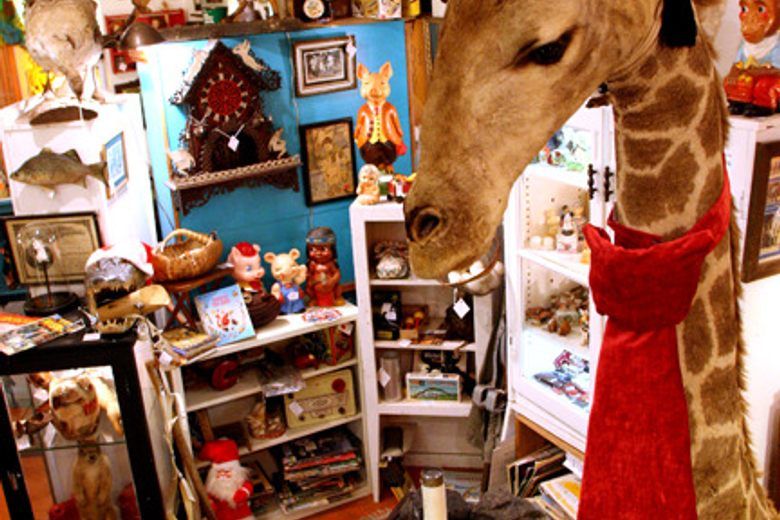
Woolly Mammoth Antiques and Oddities
Chicago, Illinois
This Andersonville storefront transforms the morbid into art, housing a dense collection of skeletal remains, vintage medical tools, and eccentric taxidermy intended to help visitors confront mortality.

Money Museum
Chicago, Illinois
This small gallery inside the Federal Reserve Bank of Chicago features a million dollars in a single glass cube and gives away bags of shredded currency to every visitor.
Obama Kissing Rock
Chicago, Illinois
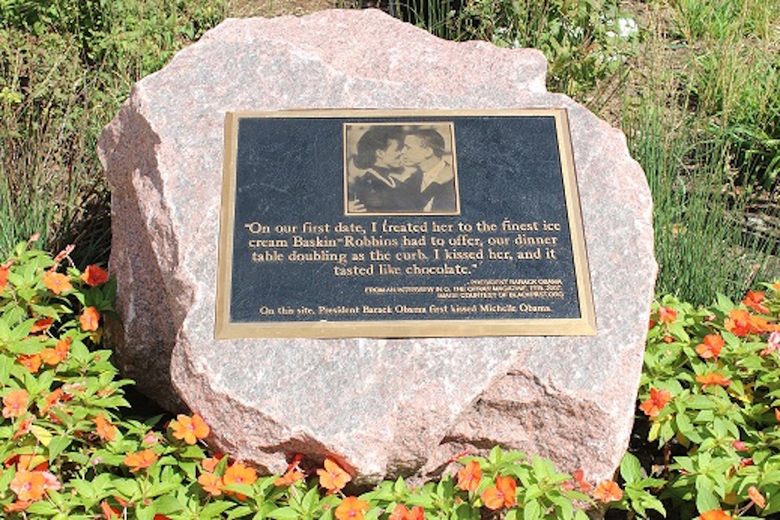
This three thousand pound boulder commemorates a private romantic moment rather than a political achievement, celebrating the human side of a presidential legacy.