Cascade Range Natural Wonder
Proxy Falls: Oregon's Vanishing Basalt Masterpiece
McKenzie Bridge, Oregon, United States
By the Wicked Cool Places editors · Published · Updated
Why it’s cool
This iconic Oregon cascade features a rare geological quirk: instead of forming a river, the water drains directly into ancient, porous lava rock at the base of the falls.
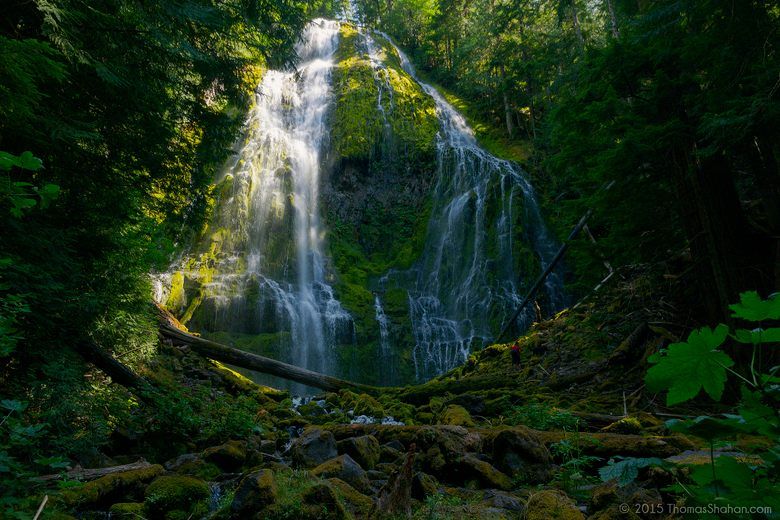
Tucked within the Willamette National Forest, a spring-fed stream executes a stunning disappearing act over a cliff of ancient volcanic stone. While many waterfalls are defined by the rivers they feed, this site is famous for its lack of an outlet, as the water simply vanishes into the earth.
Why It Stands Out
Proxy Falls is a masterclass in volcanic geometry. The water of Proxy Creek spills over a ledge of columnar basalt, a formation created by cooling lava that naturally fractures into hexagonal pillars.
As the stream descends the 226-foot drop of the Lower Falls, it hits stair-stepped erosion patterns and mossy mounds, fanning out into a shimmering veil. Perhaps the most unusual feature is what happens at the bottom.
Because the ground is composed of porous lava rock from the neighboring Three Sisters volcanoes, there is no stream leading away from the base. The water pools and then sinks into the ground, filtering through subterranean layers deposited over thousands of years.
While the Lower Falls is the primary draw for photographers, the 126-foot Upper Falls offers a more subtle, cascading beauty just a short distance away.
Before You Go
Reaching both sections of the falls requires a relatively easy trek of less than one mile. The loop trail transitions from dense coniferous woods to stark, open lava fields, providing a quick education in the region's volcanic history.
This varied landscape is a hallmark of the Pacific Northwest. While the path technically remains open throughout the year, winter snow often blankets the area, making the trail inaccessible to those without snowshoes or skis.
Always verify the current status of the Willamette National Forest before heading out, as regional wildfires can lead to temporary trail closures. The falls are located near McKenzie Bridge.
Questions worth answering
Where does the water go once it hits the bottom?
It doesn't form a river or an outlet. The water drains directly into porous lava rock from the Three Sisters volcanoes and sinks into subterranean layers deposited over thousands of years.
What should we expect from the hike itself?
It's a loop under one mile that moves from dense woods to open lava fields. You'll see the 226-foot Lower Falls and the 126-foot Upper Falls without much effort.
Can we visit during the winter months?
The trail is technically open, but snow usually makes it impassable unless you've brought snowshoes or skis. Always check for closures related to regional wildfires before you drive out toward McKenzie Bridge.
Is this an original report from your team?
We used a report from Proxy Falls as a starting point and built our own editorial from there. We've focused on the specific basalt geometry and the geological quirk of the disappearing stream.
More in Pacific Northwest
All Pacific Northwest places →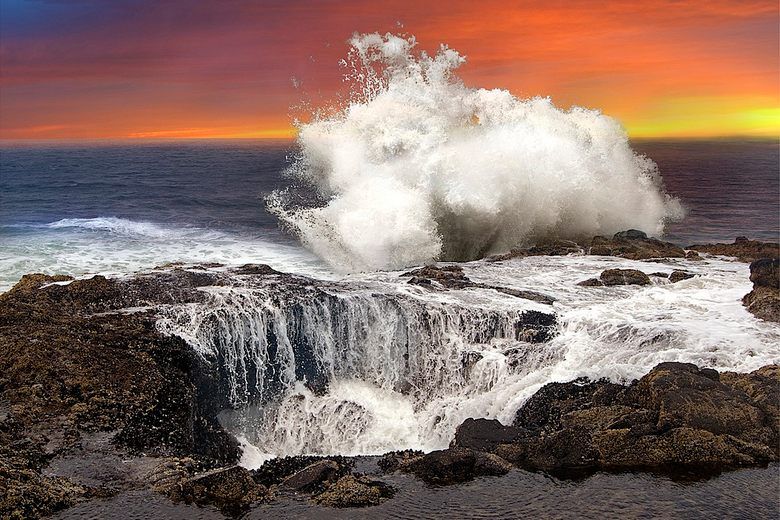
Thor’s Well
Yachats, Oregon
This dramatic geological feature creates the illusion of a bottomless pit swallowing the sea, offering a violent and beautiful display of the Pacific's raw power.
Morning Glory Pool
Yellowstone National Park, Wyoming
This thermal wonder is a striking example of Yellowstone's natural beauty, yet it serves as a powerful reminder of how human interference can threaten delicate geological features.
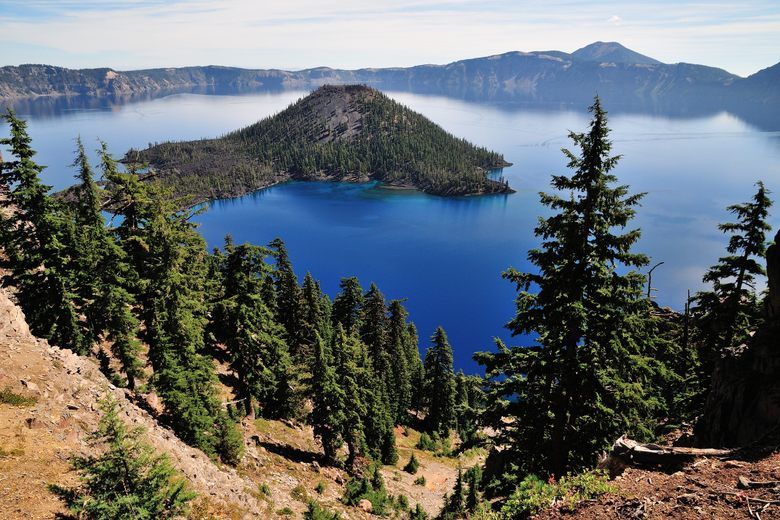
Crater Lake
Crater Lake, Oregon
It's the deepest lake in the country, and it sits inside the ruins of a mountain that blew itself apart. Snowmelt and rain filled the caldera over centuries, leaving water so clear and deep it turns a blue that photographs never quite believe.