Seattle's Sonic Sculpture
A Sound Garden: The Wind-Powered Instrument That Named a Band
Seattle, Washington, United States
By the Wicked Cool Places editors · Published · Updated
Why it’s cool
This towering cluster of steel pipes transforms the breezes of Lake Washington into a haunting chorus of whistles and howls, providing the namesake for one of grunge's most iconic bands.
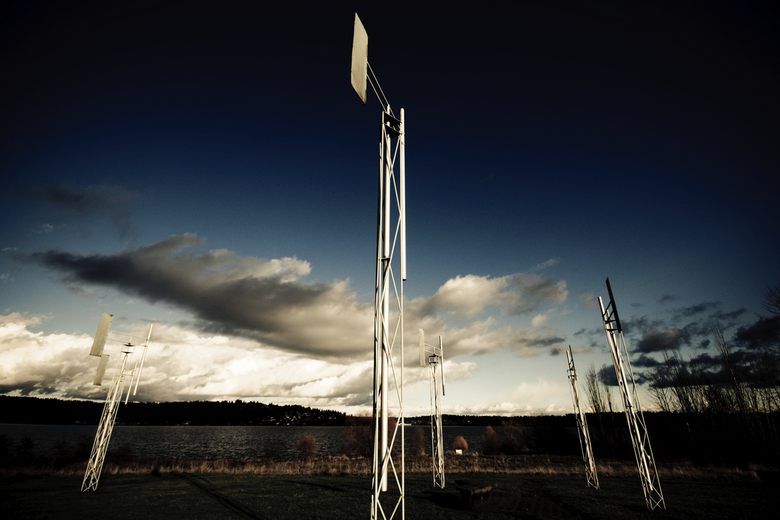
Perched on a grassy ridge above the waters of Lake Washington, a series of metallic towers waits for the prevailing winds to speak. These aren't just industrial relics; they are part of a massive sonic instrument designed to translate the invisible movement of air into an audible landscape.
When the gusts hit just right, the steel structures emit a range of sounds from low murmurs to piercing howls, creating an eerie, organic symphony that shifts in pitch and volume with the weather.
Why It Stands Out
Created by artist Douglas R. Hollis, this installation serves as the centerpiece of a sophisticated collection of public art situated at the National Oceanic and Atmospheric Administration (NOAA) Western Service Center.
Artistic environments designed for reflection can also be found at Ra Paulette's Hand-Carved Caves. The "garden" consists of several tall, slender pipe structures topped with weather vanes.
As these vanes rotate to catch the breeze, air is channeled through the hollow pipes to produce haunting, flute-like tones that resonate across the hillside. While the sculpture is a marvel of environmental acoustics, it holds a permanent place in rock history as the inspiration for the name of the legendary Seattle band Soundgarden.
The group’s founding members were drawn to the site's atmospheric quality, which mirrored the moody, resonant sound they would eventually pioneer in the grunge era. Beyond the musical pipes, the surrounding grounds feature significant works by other celebrated artists, including Martin Puryear, Siah Armajani, and Scott Burton.
Together, these pieces transform a government research campus into an open-air gallery of contemporary sculpture. Another famous public sculpture in the city is the Fremont Troll.
Before You Go
Prospective visitors should be aware that accessing the site has become significantly more restricted. While the installation remains on the hill, the NOAA campus is currently closed to civilian personnel.
Previously, the public could pass through a security gate to explore the art walk, but heightened security measures now generally prohibit unauthorized entry. You may be able to catch a glimpse of the towers from the northern edges of Warren G.
Magnuson Park, though the full auditory experience is now largely reserved for those working on the campus.
Questions worth answering
How do these towers actually make noise?
Douglas R. Hollis designed these hollow steel structures to catch the wind using weather vanes. When the air moves through the pipes, it creates a series of whistles and low murmurs that change with the weather.
Can we walk right up to the sculpture?
The NOAA Western Service Center has tightened its security, so the campus is now off-limits to civilians. You can try to spot the metallic towers from the northern side of Warren G. Magnuson Park instead.
What is the connection to the Seattle music scene?
The band Soundgarden took their name from this specific installation. The founding members felt the site's moody, resonant atmosphere matched the grunge sound they were developing.
Is there anything else to see on the grounds?
The area functions as a contemporary sculpture gallery with pieces by Scott Burton and Martin Puryear. Siah Armajani also has work situated on this government research campus.
More in Pacific Northwest
All Pacific Northwest places →
Seattle Meowtropolitan Cat Café
Seattle, Washington
This Wallingford destination blends Seattle's legendary coffee culture with a mission-driven cat lounge, allowing visitors to sip themed lattes while socializing with adoptable felines in a custom-built playground featuring bridges and catwalks.
Museum of Pop Culture
Seattle, Washington
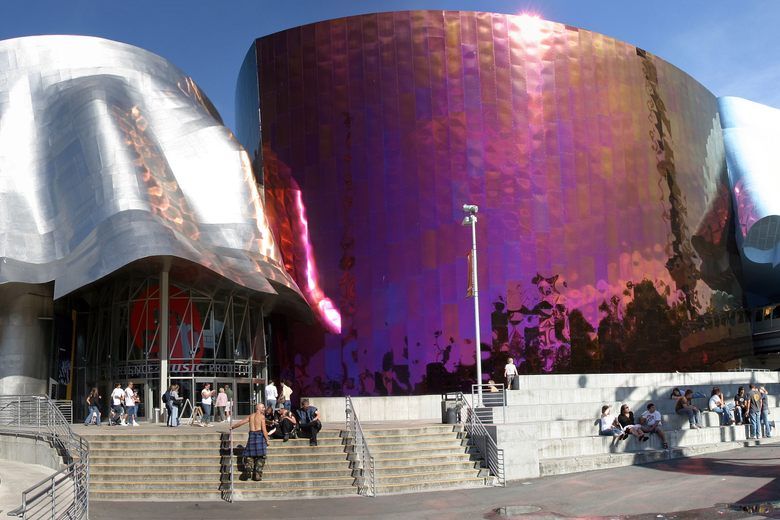
This sprawling 140,000-square-foot institution blends the legacy of Jimi Hendrix with deep dives into sci-fi and horror. Housed in a building nicknamed the Blob, it celebrates the diverse creative forces that define modern global culture.
Seattle Underground
Seattle, Washington
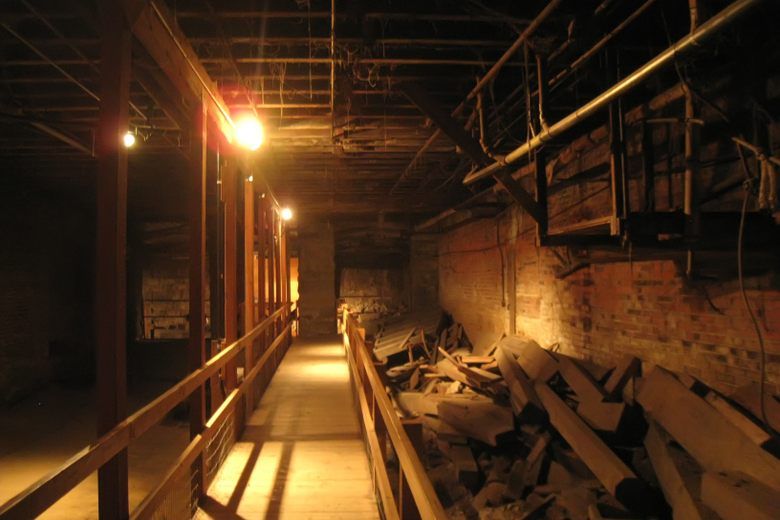
This subterranean labyrinth preserves the original street level of the city, offering a glimpse into 19th-century storefronts and alleyways that were literally entombed when the modern city was built one story higher.