Yellowstone National Park, Wyoming
Morning Glory Pool: Yellowstone’s Fragile Thermal Masterpiece
Yellowstone National Park, Wyoming, United States
By the Wicked Cool Places editors · Published · Updated
Why it’s cool
This thermal wonder is a striking example of Yellowstone's natural beauty, yet it serves as a powerful reminder of how human interference can threaten delicate geological features.
Yellowstone National Park is a landscape defined by its volatile beauty and delicate ecosystems. Among its many thermal wonders, one specific feature serves as a vivid reminder of the fragile balance between nature and human presence.
Known for its striking resemblance to a certain trumpet-shaped flower, this pool captures the imagination of every traveler who wanders through the park’s geothermal basins.
Why It Stands Out
The primary draw of this site is its sheer visual brilliance. As a thermal feature, it showcases a spectrum of colors that seem almost otherworldly, ranging from deep, crystalline blues to vibrant yellows and oranges along its edges.
The vibrant colors of the pool are reminiscent of the mineral mounds found at Fly Geyser. However, its fame is now inextricably linked to the environmental threats it faces.
Over the decades, the pool has become a symbol of the impact that human interaction can have on natural wonders. The environmental threat mentioned in its history stems largely from the accumulation of foreign objects.
For years, the pool has been subjected to debris that can partially block its thermal flow. This obstruction leads to a decrease in water temperature, which in turn allows different types of bacteria to thrive, slowly altering the pool's original, famous color palette.
It is a beautiful geyser that now tells a cautionary tale about conservation and the necessity of protecting these rare geological formations from permanent change. These formations share their vivid natural pigments with the sandstone at Paint Mines Interpretive Park.
Before You Go
When visiting this part of the park, it is essential to keep the delicate nature of the thermal features in mind. The environmental threat to the pool is an ongoing concern, and the best way to help preserve its remaining beauty is to observe the site with care.
The walk to the pool takes visitors through a landscape of steam and sulfur, offering a contrast between the rugged Wyoming wilderness and the delicate, glass-like surface of the water. This geothermal area is a highlight for many travelers exploring the Pacific Northwest region.
Questions worth answering
What's the atmosphere like on the way there?
The trek involves a scenic path through heavy steam and sulfur. It's a sharp contrast to the calm, glass-like water you'll find at the end.
Why does the water look like that?
The pool's deep blues and bright yellows come from its specific thermal heat. These colors are similar to what you'd see at Paint Mines Interpretive Park.
Is the pool's appearance changing over time?
Human debris has partially blocked the thermal flow, which drops the temperature and lets new bacteria grow. This shift is slowly rewriting the pool's famous color palette.
How did the pool end up with this specific name?
The feature earned its title because it looks like a trumpet-shaped flower. It shares some of its vivid natural pigments with the sandstone formations found at Paint Mines Interpretive Park.
More in Pacific Northwest
All Pacific Northwest places →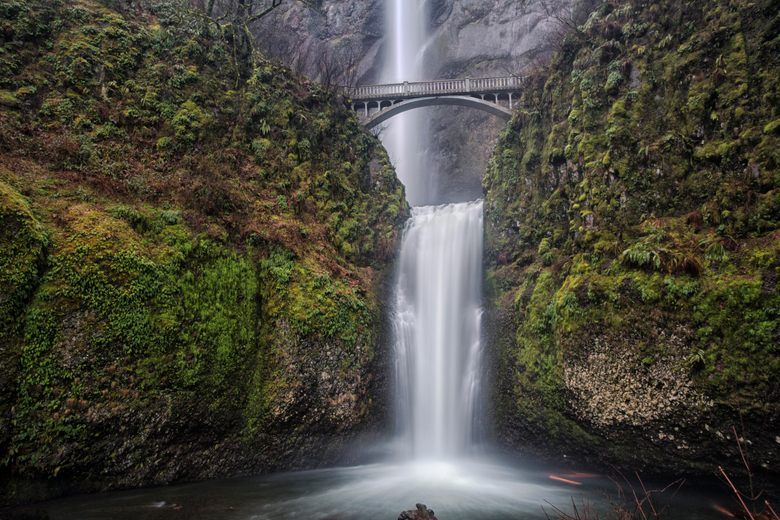
Multnomah Falls
Corbett, Oregon
This massive 611-foot double cascade flows through every season thanks to an underground spring, offering a dramatic vertical spectacle just a short drive from Portland.
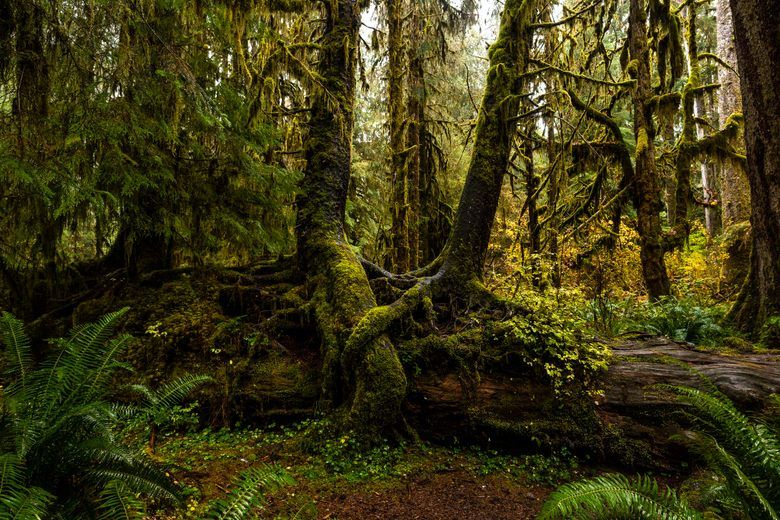
Hall of Mosses
Forks, Washington
Wander through a primeval landscape where massive maples and spruces are completely swallowed by heavy, dripping layers of moss, creating a scene that feels more like a fantasy realm than a forest.
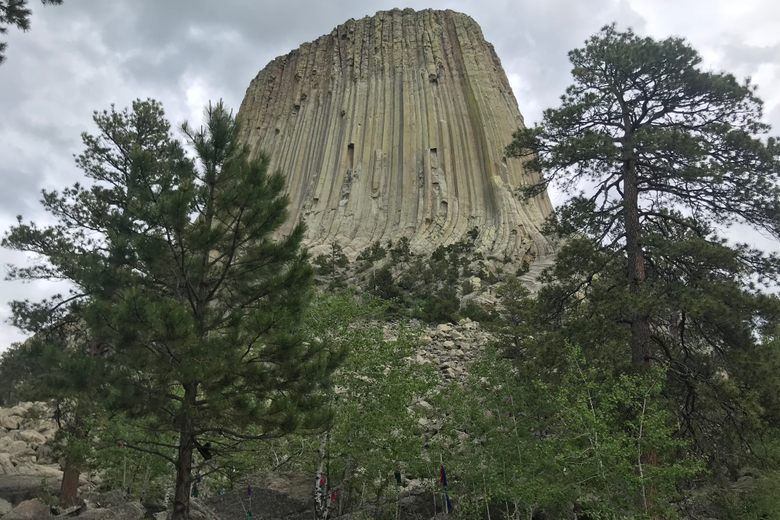
Devils Tower
Devils Tower, Wyoming
This striking stone monolith holds the distinction of being the first National Monument in the United States, blending enigmatic geology with powerful indigenous folklore.