Historic New Orleans Landmark
Old Absinthe House: The French Quarter Tavern That Saved a Nation
New Orleans, Louisiana, United States
By the Wicked Cool Places editors · Published · Updated
Why it’s cool
This legendary French Quarter tavern hosted the secret negotiations between a pirate and a future president that secured American victory in the War of 1812, and it still serves traditional absinthe today.
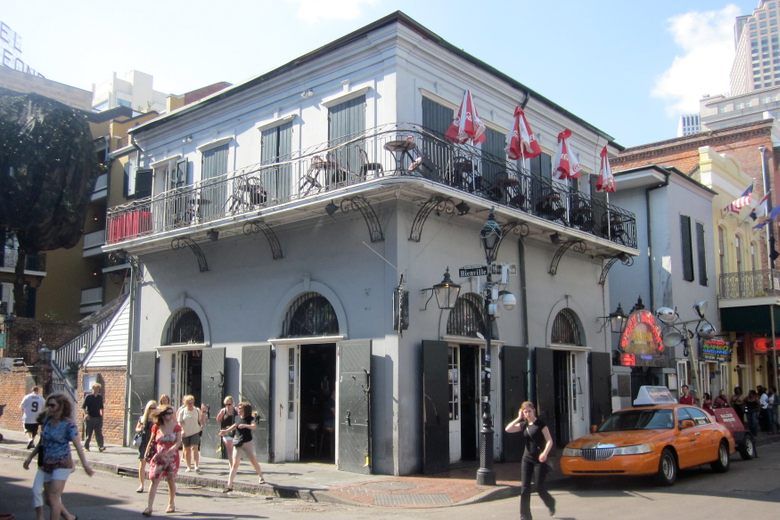
Tucked away from the neon glow and plastic cups of modern Bourbon Street, a corner tavern remains anchored in the era of privateers and gunpowder. The Old Absinthe House isn't just a place to grab a drink; it is a survivor of the 1812 war and the dry years of Prohibition.
Inside, the air feels heavy with the scent of anise and old brick, preserving a time when the fate of the United States was decided over a glass of spirits.
Why It Stands Out
In the early 19th century, this building served as an importing firm, providing the perfect cover for a high-stakes meeting. General Andrew Jackson, desperate to defend New Orleans against the British, climbed to the second floor to meet the notorious pirate Jean Lafitte.
The deal struck here, pardons for Lafitte’s men in exchange for their superior artillery skills, turned the tide of the War of 1812. Three weeks after their talk, the British were repelled, and the nation’s future was secured.
The bar’s physical survival is just as dramatic. When Prohibition began in 1920, federal agents targeted the iconic bar for destruction to symbolize the end of the "reign of alcohol." To save it, locals dismantled the fixtures and hid them in a warehouse until the ban was lifted.
Today, the interior looks remarkably similar to its 19th-century peak. The walls are papered with thousands of business cards left by travelers, while the original marble fountains still drip water over sugar cubes into glasses of absinthe.
Reopened under Lafitte's name in 2004, the space maintains its musty brick walls and ornate wooden fixtures, offering a grounded alternative to the superficial glitz found elsewhere in the neighborhood.
Before You Go
The tavern is located at the corner of Bourbon and Bienville Streets. It operates nearly around the clock, opening at 9:00 a.m. and closing well into the early morning at 4:00 a.m.
While the street outside is often chaotic, the interior offers a more grounded, historic atmosphere. The nearby Carousel Bar also offers a historic cocktail experience in the French Quarter.
Look for the collection of celebrity photos and the business card-lined walls that have accumulated over the decades.
Questions worth answering
What happened between the pirate and the general here?
Andrew Jackson and Jean Lafitte used the second floor to negotiate a deal during the War of 1812. The pirate's artillery expertise was traded for legal pardons, a move that helped defeat the British three weeks later.
How did the interior survive the Prohibition era?
When federal agents planned to destroy the bar in 1920, residents moved the fixtures to a warehouse. Everything stayed hidden until the alcohol ban ended, allowing the original marble fountains to eventually return to their spots.
What should we expect from the atmosphere inside?
It's a historic space that smells of anise and aged brick, standing in contrast to the nearby neon lights. You'll find walls covered in business cards and old photos of famous guests.
When can we stop by for a drink?
The doors are open daily starting at 9:00 a.m. and don't close until 4:00 a.m. the following morning.
More in Southeast
All Southeast places →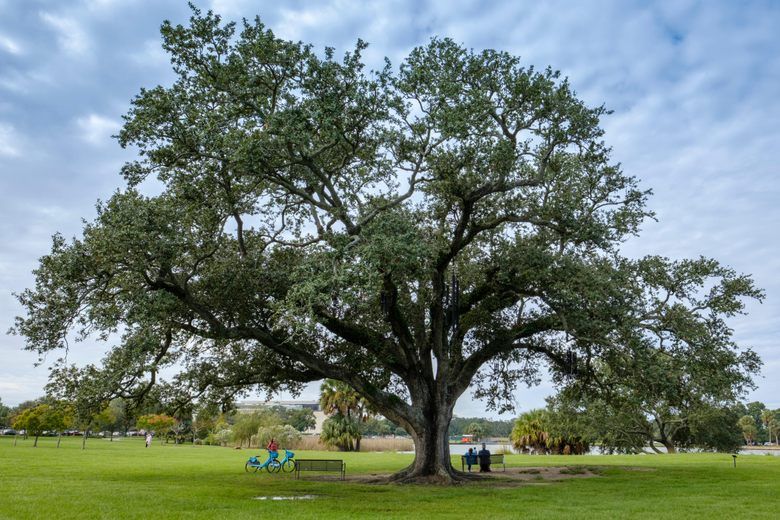
The Singing Oak
New Orleans, Louisiana
Tucked away in City Park, this ancient tree functions as a giant instrument. Its hidden chimes are tuned to the same pentatonic scale found in the city’s jazz and gospel roots.
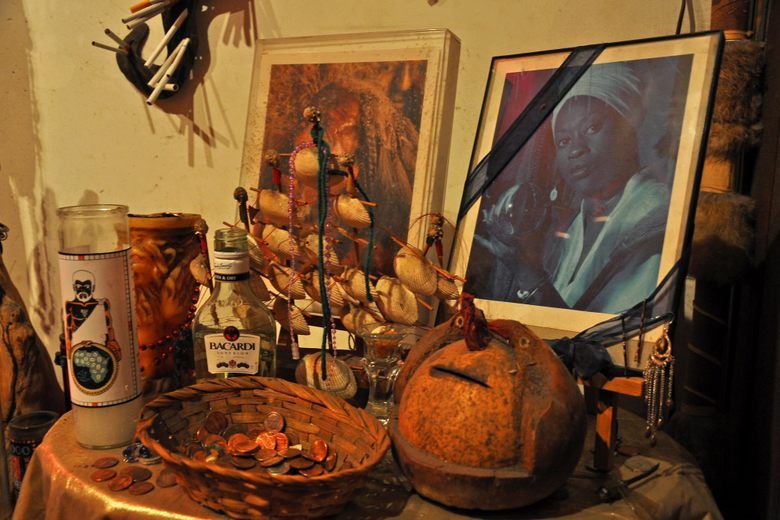
New Orleans Historic Voodoo Museum
New Orleans, Louisiana
This dense collection of occult artifacts preserves the complex spiritual heritage of Louisiana, blending West African traditions with Catholic influences in the heart of the French Quarter.
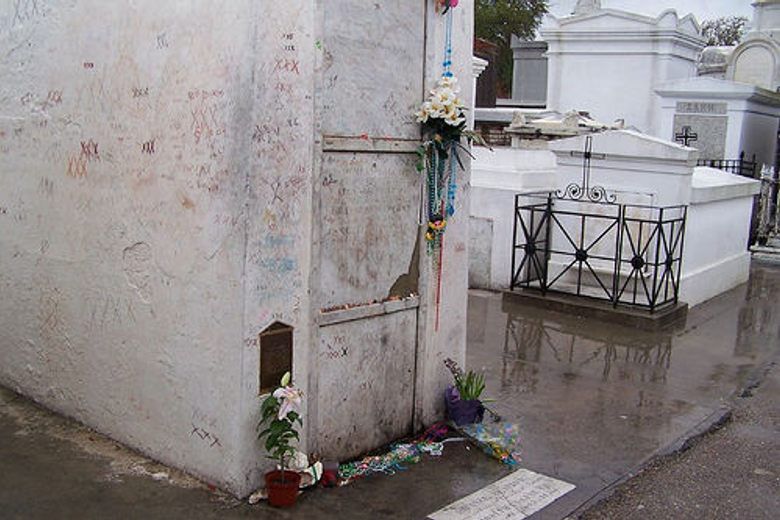
Marie Laveau's Tomb
New Orleans, Louisiana
This legendary site honors the most famous Voodoo priestess in American history. Located in New Orleans' oldest cemetery, the tomb serves as a powerful symbol of the city's unique spiritual heritage and 19th-century Creole culture.