Carbon County, Utah
Nine Mile Canyon: The World's Longest Outdoor Art Gallery
Carbon County, Utah, United States
By the Wicked Cool Places editors · Published · Updated
Why it’s cool
Spanning forty miles of rugged Utah landscape, this canyon holds an incredible density of ancient petroglyphs and pictographs, earning it a reputation as a massive open-air museum.
Deep in the heart of Carbon County, the desert landscape opens up to reveal a prehistoric record etched and painted onto sandstone walls. Nine Mile Canyon is a place where the past isn't tucked away in a climate-controlled room; instead, it stretches across the horizon for dozens of miles.
Known colloquially as the "world's longest art gallery," this winding corridor offers a continuous look at the creative expressions of those who inhabited the region long ago.
Why It Stands Out
The sheer scale of the collection here is what defines the experience. While many archaeological sites feature a single panel or a small cluster of drawings, Nine Mile Canyon provides forty miles of visual history.
This isn't a singular destination but a journey through a massive outdoor archive. Along the canyon walls, visitors can spot both petroglyphs, which are designs pecked or carved directly into the rock surface, and pictographs, which are images painted onto the stone.
The concentration of these works is staggering. As you move through the canyon, the density of the art creates a narrative of the people who once called this rugged terrain home.
The term "art gallery" is no exaggeration; the sequence of images serves as a massive, open-air exhibition that follows the natural curves of the earth. Other outdoor collections like The Neon Museum similarly preserve regional visual history.
It is a rare opportunity to see ancient works in their original environmental context, framed by the same sky and cliffs that the original artists saw.
Before You Go
Planning a trip to this expansive site requires a bit of preparation, as the "gallery" covers a significant distance. Because the rock art is spread across forty miles, you should expect to spend a considerable amount of time traveling through the canyon to see the various panels.
The site is located in a remote part of Carbon County, Utah, so ensure your vehicle is prepared for a long drive through a desert environment. The Bisti Badlands also offer a look at unique sandstone formations in a desert setting.
Always respect the integrity of the ancient works by viewing them from a distance and never touching the rock surfaces, as oils from skin can damage the prehistoric pigments and carvings.
Questions worth answering
How much of the canyon should we plan to see?
The collection of rock art spans forty miles of the Utah landscape. You'll need to set aside plenty of time to drive the full length of this winding desert corridor.
What kind of ancient work is on display here?
The sandstone walls feature both pictographs and petroglyphs. These are images either painted onto the stone or carved directly into the rock surfaces by prehistoric inhabitants.
Is this a typical museum setup?
It's an open-air archive where the art remains in its original environmental context. We started with Nine Mile Canyon's records and built our own editorial from there to describe this massive outdoor exhibition.
What's the best way to preserve the site during a visit?
Keep your distance from the panels and never touch the carvings. Natural oils from your skin can easily ruin the prehistoric pigments and ancient surfaces.
More in Southwest
All Southwest places →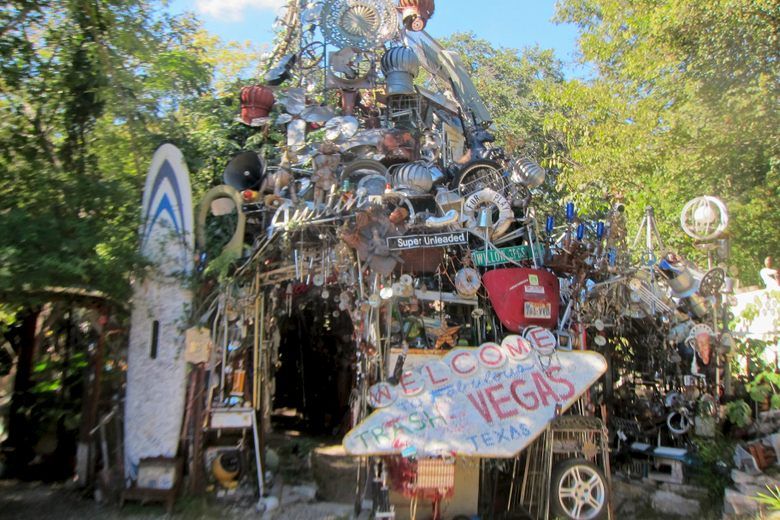
Cathedral of Junk
Austin, Texas
Rising from a quiet suburban backyard, this 60-ton labyrinth of discarded bicycles, appliances, and electronics is a living testament to the beauty of repurposed waste.
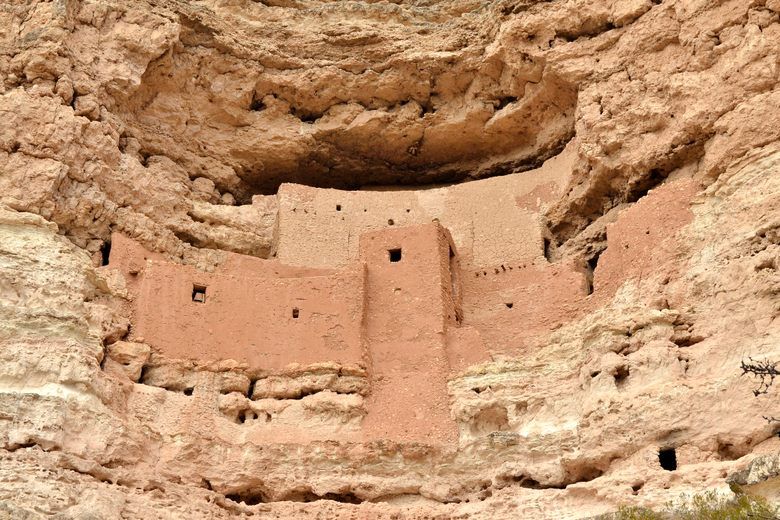
Montezuma Castle
Yavapai County, Arizona
Suspended ninety feet above the valley floor, this ancient high-rise is a marvel of cliffside engineering that earned federal protection from Teddy Roosevelt.
Canyons of the Ancients
Dolores, Colorado
This rugged landscape holds a staggering density of Ancestral Puebloan ruins, where the lack of formal development has left thousands of historical sites in a stunning state of natural preservation.