French Quarter Occult History
New Orleans Historic Voodoo Museum: Relics of the Spirit World
New Orleans, Louisiana, United States
By the Wicked Cool Places editors · Published · Updated
Why it’s cool
This dense collection of occult artifacts preserves the complex spiritual heritage of Louisiana, blending West African traditions with Catholic influences in the heart of the French Quarter.
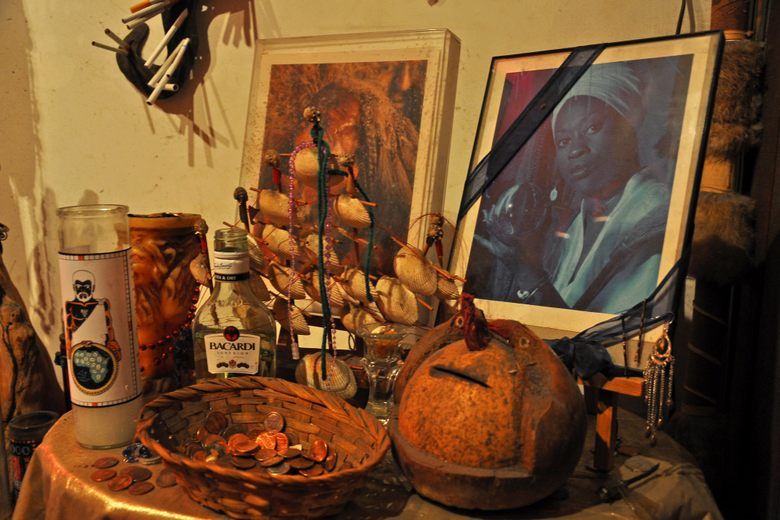
Tucked away in the winding streets of the French Quarter, this intimate museum serves as a portal into the misunderstood world of Louisiana Voodoo. While the city is famous for its jazz and cuisine, its spiritual undercurrents are just as vital to its identity.
This small but dense collection provides a window into a belief system that has shaped New Orleans for centuries, moving beyond Hollywood tropes to showcase the genuine cultural fusion of the Gulf Coast.
Why It Stands Out
Established in 1972 by local artist Charles Massicot Gandolfo, famously known as "Voodoo Charlie", the institution has spent decades documenting the city's unique spiritual landscape. The museum specifically highlights Louisiana Voodoo, a syncretic belief system that emerged from the 18th-century slave trade.
This practice represents a complex merging of West African Vodun with the Catholic and Francophone traditions of the region. The exhibits detail a theology centered on a single God who remains distant, while a pantheon of spirits actively intervenes in human affairs.
These entities, which can be either benevolent or troublesome, are traditionally reached through music, rhythmic dance, and song. Visitors will find a wealth of symbolic artifacts, including representations of snakes, the emblem of Legba, the spirit who acts as a bridge between the physical and divine realms.
Among the most prized relics is the personal kneeling bench of the legendary priestess Marie Laveau, whose influence in 19th-century New Orleans was so profound that she remains a figure of both reverence and rumor.
Before You Go
The museum is located in the heart of the French Quarter and is open daily from morning until early evening, including most holidays. Beyond the displays of antique voodoo dolls, taxidermy, and talismans, the site functions as a resource for modern practitioners.
Those interested in unique taxidermy might also enjoy Woolly Mammoth Antiques and Oddities. You can find authentic items for sale, ranging from snake skins and chicken feet to specialized potions and candles.
The use of discarded items in folk art is also seen at the Doll's Head Trail. For those seeking a deeper connection to the history, the museum serves as a starting point for tours to the nearby St.
Louis Cemetery, where Marie Laveau is entombed. If you are looking for personal insight, on-staff practitioners are often available to provide fortune readings.
Admission is affordable, with discounted rates offered for students, seniors, and military members.
Questions worth answering
What's the best time to visit and how much does it cost?
We'd suggest stopping by between 10 a.m. and 6 p.m. any day of the week. General entry is $10.00, though students and military members pay a slightly lower rate of $8.00.
Is there a specific historical figure the museum focuses on?
The collection includes the kneeling bench once owned by Marie Laveau. She was a 19th-century priestess whose legacy still defines the city's spiritual identity today.
Can we buy anything besides standard souvenirs here?
The shop sells items like chicken feet and snake skins for those interested in authentic materials. You can also find specific candles or potions if you're looking for something more than a typical trinket.
How did this collection get its start?
Our own editorial from there notes that Charles Massicot Gandolfo, a local artist, founded the space in 1972. It's since become a dense repository for artifacts that explain how West African and Catholic traditions merged in Louisiana.
More in Southeast
All Southeast places →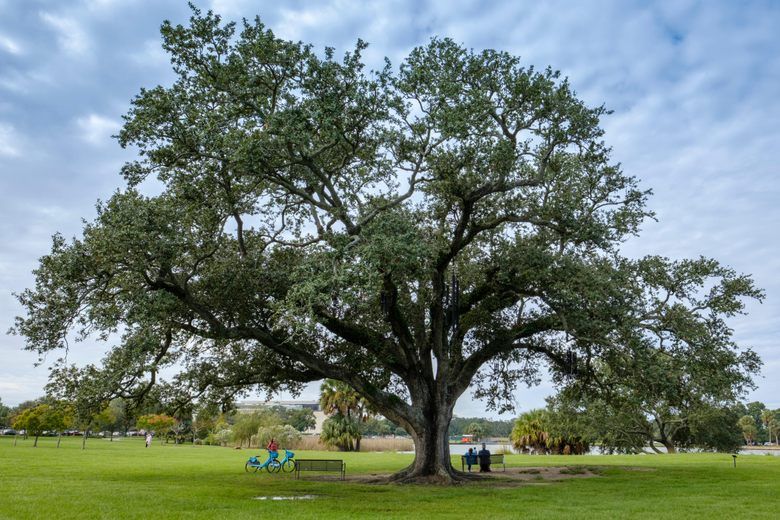
The Singing Oak
New Orleans, Louisiana
Tucked away in City Park, this ancient tree functions as a giant instrument. Its hidden chimes are tuned to the same pentatonic scale found in the city’s jazz and gospel roots.
Saint Louis Cemetery No. 1
New Orleans, Louisiana
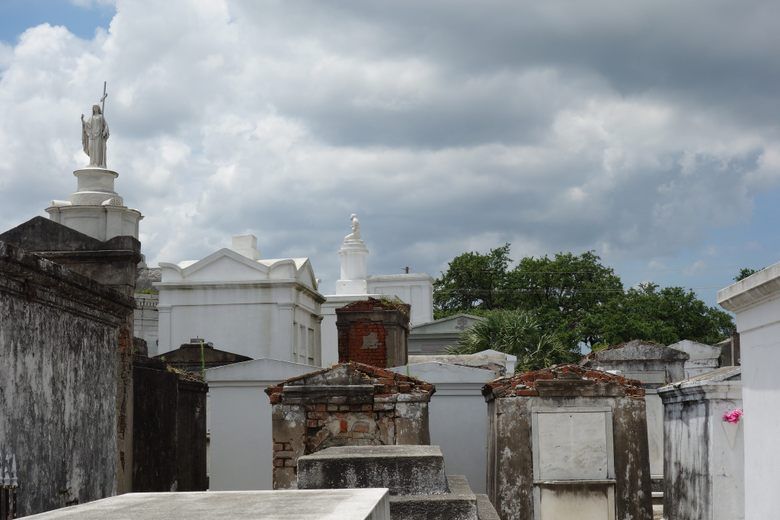
As the most ancient burial ground in New Orleans, this site has served as a silent witness to more than two centuries of the city's evolving history.
Marie Laveau's Tomb
New Orleans, Louisiana
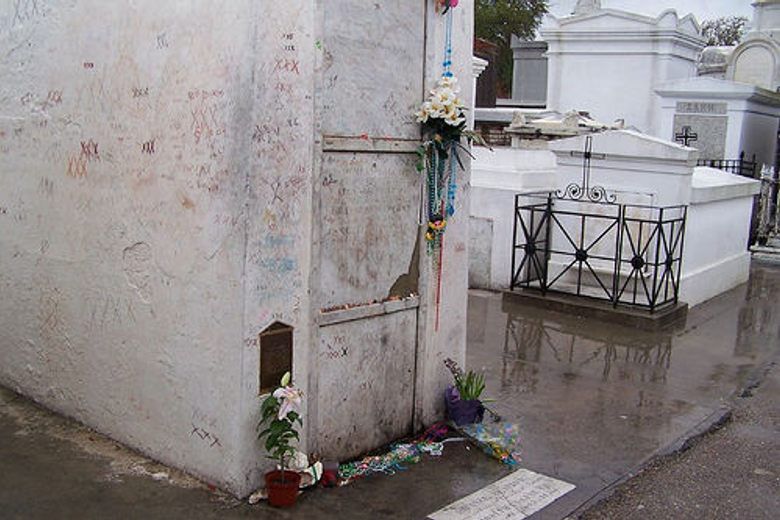
This legendary site honors the most famous Voodoo priestess in American history. Located in New Orleans' oldest cemetery, the tomb serves as a powerful symbol of the city's unique spiritual heritage and 19th-century Creole culture.