Phoenix Folk Architecture
Mystery Castle: A Father's Hand-Built Desert Fortress of Secrets
Phoenix, Arizona, United States
By the Wicked Cool Places editors · Published · Updated
Why it’s cool
This sprawling 18-room fortress was constructed single-handedly by a man who vanished from his family's life, only to leave them a massive architectural marvel built from scavenged desert debris and goat milk mortar.
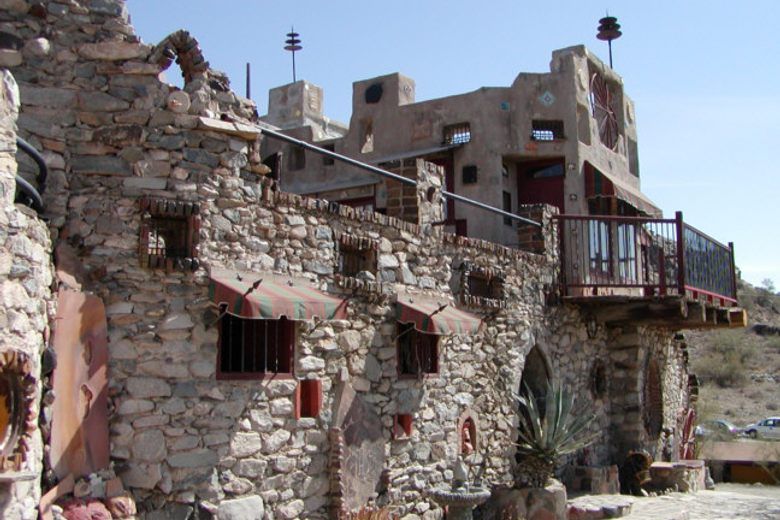
In the foothills of South Mountain, a sprawling architectural anomaly stands as a testament to a father's strange devotion and a sudden disappearance. In the late 1920s, Boyce Luther Gulley walked away from his life, his wife, and his infant daughter without a word of explanation.
He resurfaced years later in the Arizona desert, spending the next fifteen years transforming salvaged materials into a multi-story labyrinth that would eventually become his family's unexpected inheritance.
Why It Stands Out
The structure is a masterpiece of folk architecture and resourceful engineering. Gulley didn't rely on traditional hardware stores; instead, he scavenged the desert and local scrapyards for his building blocks.
The use of found objects is also central to Philadelphia's Magic Gardens. The castle’s walls are a patchwork of native stone, adobe, discarded telephone poles, and old railroad tracks.
Even more bizarre is the adhesive holding it all together: a legendary mixture of cement, mortar, and goat milk. Inside, the layout is just as eccentric as the exterior.
The fortress contains 18 rooms and 13 fireplaces, along with various parapets that offer views of the surrounding valley. Despite its size and complexity, the home functioned for decades without the modern comforts of electricity or running water.
The mystery of the building’s origin only deepened in 1945 when Gulley’s family, who hadn't heard from him in nearly two decades, received a lawyer's call informing them they were now the owners of a castle. His daughter eventually moved into the hand-built monument, spending the rest of her life sharing the story of the home her father built in her absence.
The dedication required for such a project is similar to that seen at Ra Paulette's Hand-Carved Caves.
Before You Go
The property is located in the Phoenix area. While it served as a popular destination for guided tours for many years, the site is currently experiencing a transition.
Public access is restricted at this time, so it is essential to verify the current status of the grounds before planning a trip to the perimeter of the estate.
Questions worth answering
What is the story behind this desert fortress?
Boyce Luther Gulley abandoned his family in the late 1920s to build this 18-room structure. He used goat milk and mortar to bind scavenged materials together over fifteen years.
How can we see the interior?
Public entry is currently restricted while the property undergoes a transition. Check the status of the grounds before you head toward the South Mountain foothills.
What kind of materials went into the construction?
The walls consist of native stone, adobe, and old railroad tracks. Gulley also integrated discarded telephone poles into the multi-story layout instead of buying traditional supplies.
Is this a professional architectural project?
This place is a folk architecture masterpiece built without electricity or running water. We started with our own editorial from there to highlight how one man used desert debris to create a family inheritance.
More in Southwest
All Southwest places →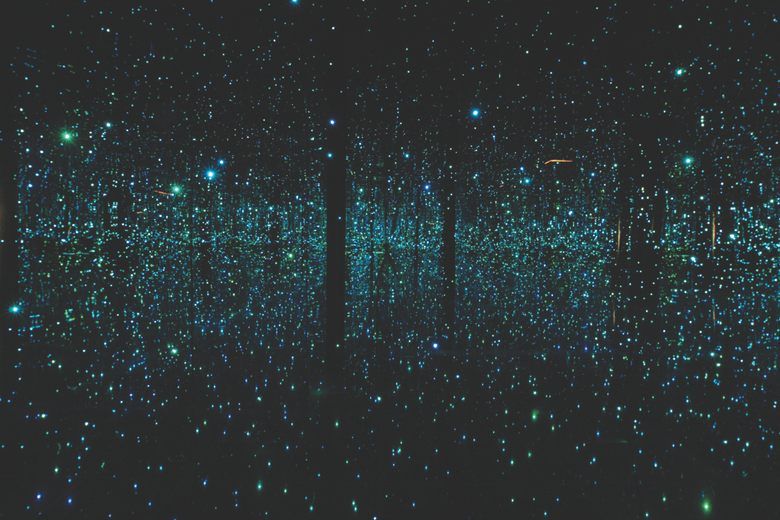
Yayoi Kusama Firefly Infinity Mirror Room
Phoenix, Arizona
This permanent installation uses hundreds of LED lights and mirrored surfaces to create a disorienting, endless void where the boundary between the viewer and the cosmos disappears.
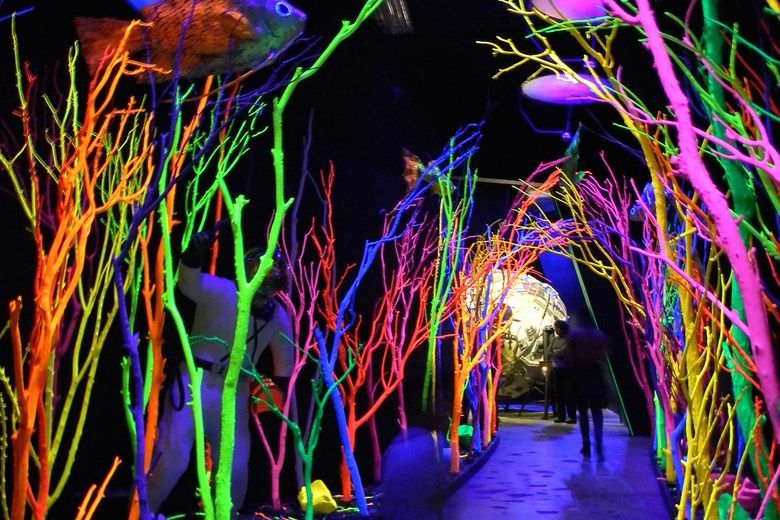
House of Eternal Return
Santa Fe, New Mexico
This massive interactive installation blends a haunted house mystery with a psychedelic playground, inviting visitors to crawl through portals and uncover a family's cosmic secrets.
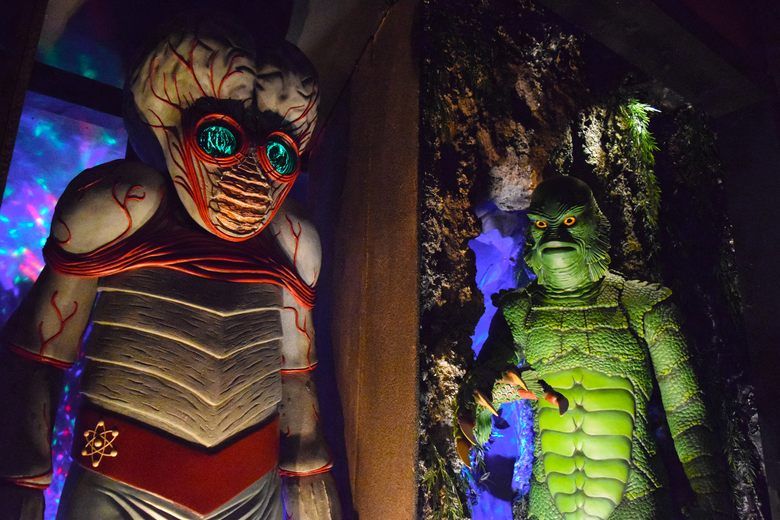
Museum of the Weird
Austin, Texas
This rare survivor of the dime-store museum era keeps P.T. Barnum’s spirit alive with a mix of taxidermy gaffs, historical oddities, and live sideshow acts.