Los Angeles, California
Murphy Ranch: The Secret Nazi Compound of Rustic Canyon
Los Angeles, California, United States
By the Wicked Cool Places editors · Published
Why it’s cool
This sprawling ruin hidden in a Los Angeles canyon was built as a multi-million dollar survivalist bunker for Nazi sympathizers before being raided by federal agents in 1941.
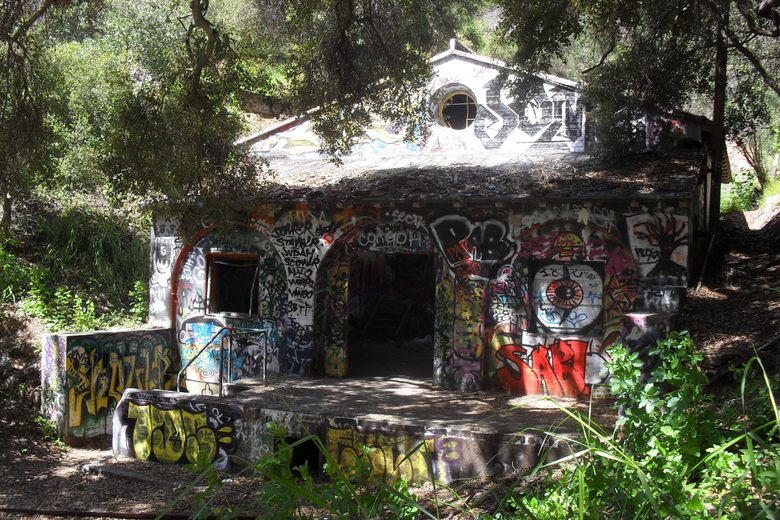
Tucked away in the dense brush of the Santa Monica Mountains, a crumbling concrete staircase leads down to a site of profound historical strangeness. Murphy Ranch was once a multi-million dollar survivalist compound built during the 1930s.
While the property was officially purchased by a mysterious figure named Jessie Murphy, the actual development was spearheaded by Winona and Norman Stephens alongside a German national named Herr Schmidt. Schmidt was a man of intense convictions and a suspected Nazi sympathizer.
He persuaded the Stephens to pour a fortune into the canyon floor to create a fortress capable of operating independently from the rest of the world. The original plans included massive water cisterns, fuel storage, and multiple power generators.
The goal was to endure years of isolation, fueled by the belief that the United States would eventually fall to a new global order. This vision was cut short in December 1941 when federal authorities raided the property immediately after the country entered World War II.
Why It Stands Out
The site is a bizarre intersection of high-stakes conspiracy and modern urban decay. Another local site defined by decay is the Sunken City.
After the war, the compound transitioned from a paranoid fortress to a peaceful retreat for an artists' colony during the 1960s and 1970s. Today, the remains are a canvas for local street artists.
Visitors can wander through the skeletal concrete structures and see the massive piers of the power house, all while surrounded by the quiet beauty of Rustic Canyon. It serves as a physical reminder of a strange chapter in Los Angeles history where international politics and local isolationism collided.
Before You Go
Accessing the ruins requires a hike. Hikers may find these remains similar to The Witch’s Castle.
Most visitors start from the end of Capri Drive where it meets Casale Road. From there, follow the Sullivan Fire Road until you find the concrete staircase on your left.
This descent involves more than 500 steps and drops over 200 feet into the canyon. Alternatively, you can continue on the fire road to a set of stone gates that mark the original driveway.
While the city has demolished some structures, significant portions like the concrete house still remain visible.
Questions worth answering
How do we get down to the ruins?
The descent involves a concrete staircase with over 500 steps. It drops more than 200 feet into the canyon floor.
What was the original purpose of this place?
It was a survivalist compound built to function independently during a global collapse. The owners installed massive cisterns and power generators to endure years of isolation.
Is there a way to avoid the stairs?
You can stay on the fire road until you reach the stone gates. That path marks the original driveway leading into the property.
What is left to see at the site today?
The city demolished several buildings, but the concrete house and power house piers remain. Local street artists have since covered the skeletal structures in graffiti.
More in West Coast
All West Coast places →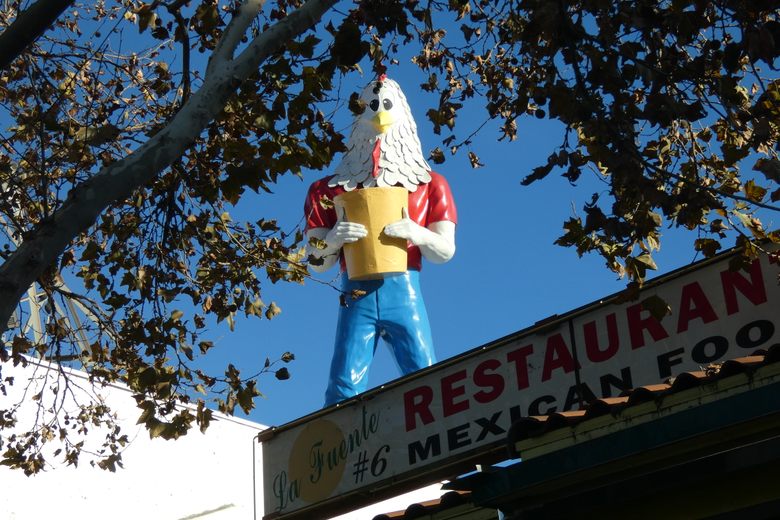
Chicken Boy
Los Angeles, California
This 22-foot-tall fiberglass hybrid is a rescued relic of mid-century roadside culture. Often called the Statue of Liberty of Los Angeles, the man-chicken mascot serves as a whimsical guardian of the historic Route 66.
The Echo Park Time Travel Mart
Los Angeles, California
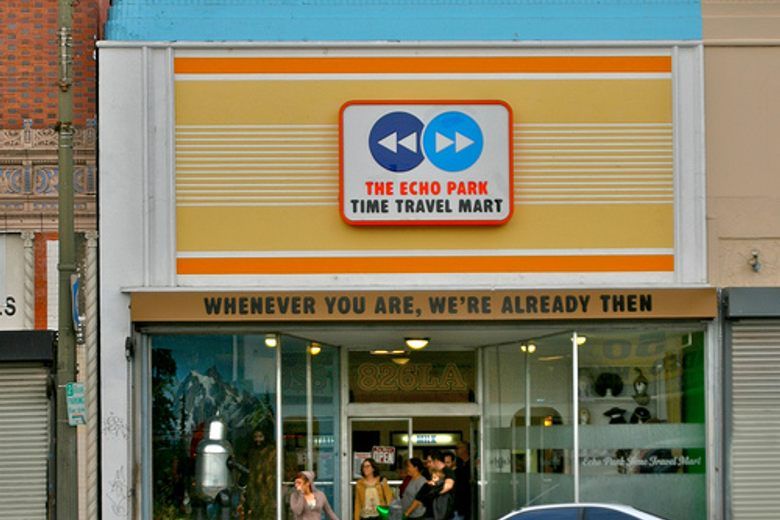
This imaginative retail space masquerades as a convenience store for chrononauts, selling everything from mammoth chunks to robot emotions to fund a non-profit tutoring center for local students.
The Adventurers' Club of Los Angeles
Los Angeles, California
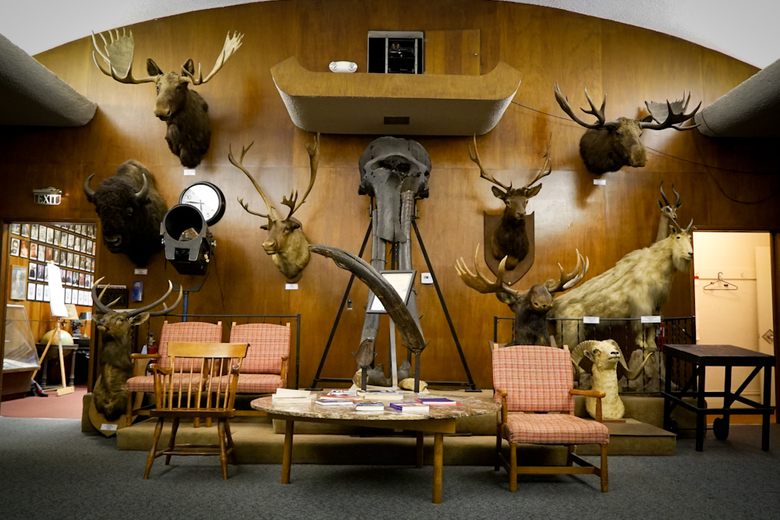
This unassuming Lincoln Heights building conceals a century-old sanctuary for explorers, housing everything from a Nile-traversing kayak to prehistoric remains.