Colorado’s High Desert Ruins
Mesa Verde National Park: Ancient Sandstone Cities Carved into Cliffs
Mesa Verde National Park, Colorado, United States
By the Wicked Cool Places editors · Published · Updated
Why it’s cool
These stunningly preserved sandstone and adobe cities were carved directly into the canyon walls by the Pueblo people. The site features complex multi-story rooms and mysterious underground ceremonial chambers known as kivas.
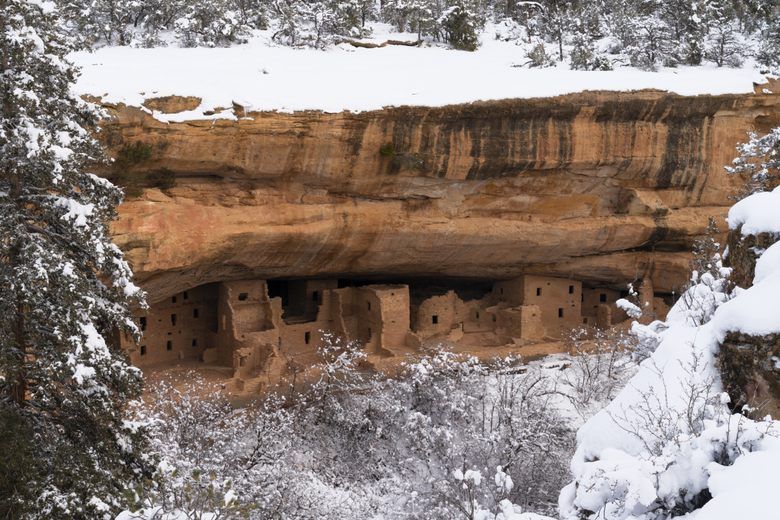
High above the Colorado plateau, the "green tablelands" hide a sprawling architectural marvel that defies modern urban planning. Instead of building upward toward the sky, the Pueblo people of the 12th and 13th centuries looked to the natural alcoves of the cliffs.
Here, they crafted intricate sandstone and adobe complexes that seem to grow directly out of the rock, protected by massive overhanging ledges and defensible windowless walls.
Why It Stands Out
The sheer scale of the Cliff Palace is the park's crowning achievement. This labyrinthine complex contains dozens of rooms and twenty-three kivas, circular, underground spaces used for religious ceremonies.
The masonry displays a sophisticated use of the cliff's natural geometry, with pink and red-plastered walls tucked into the shadows. This artistic use of local stone shares a thematic connection with Ra Paulette's Hand-Carved Caves.
While these cities were only occupied for roughly a century before a suspected mega-drought forced a migration south, their impact remains visible in the storybook towers and defensive fortifications left behind. The Mystery Castle also features unique architectural towers built from desert materials.
The site’s survival is credited largely to the Wetherill family, local ranchers who protected the ruins from looters before President Teddy Roosevelt designated the area as a park in 1906. Even the legendary photographer Ansel Adams found inspiration here, capturing the stark, monochromatic beauty of the towers in the 1940s.
Before You Go
Reaching the ruins is a journey in itself. Once you pass the entrance station, expect a 45-minute drive along a steep, winding road before you even catch your first glimpse of a dwelling.
If you want to step inside the structures, you must book a ranger-led tour in advance; these excursions are physically demanding, requiring visitors to scale long ladders and squeeze through narrow stone passages. For those preferring a self-guided experience, the Petroglyph Trail offers a strenuous 2.5-mile hike featuring ancient wall carvings and expansive canyon views.
Keep in mind that the high-altitude environment is harsh, and most of the park is off-limits to pets. To pass the time during the long drive through the park, listen to the Mesa Verde Voices podcast for deeper historical context.
Questions worth answering
What's the best way to get to the actual cliff dwellings?
Expect a slow journey. After the entrance station, you'll spend 45 minutes navigating a steep, twisting road before any structures appear.
Can I explore the inside of the ruins on my own?
You'll need a reservation for a ranger-led excursion to enter the buildings. These tours aren't for everyone, as they involve climbing tall ladders and navigating tight stone gaps.
Is there a way to see the area without a guide?
The Petroglyph Trail is a solid choice for a 2.5-mile self-guided trek. It's a demanding hike, but you'll see historic wall carvings and wide canyon vistas.
How long should we expect to spend driving once we enter the park?
The road from the entrance is steep and narrow, so it takes about 45 minutes to reach the first cliff dwelling. You'll need your own vehicle to navigate the 21-mile trip to the ruins.
More in Southwest
All Southwest places →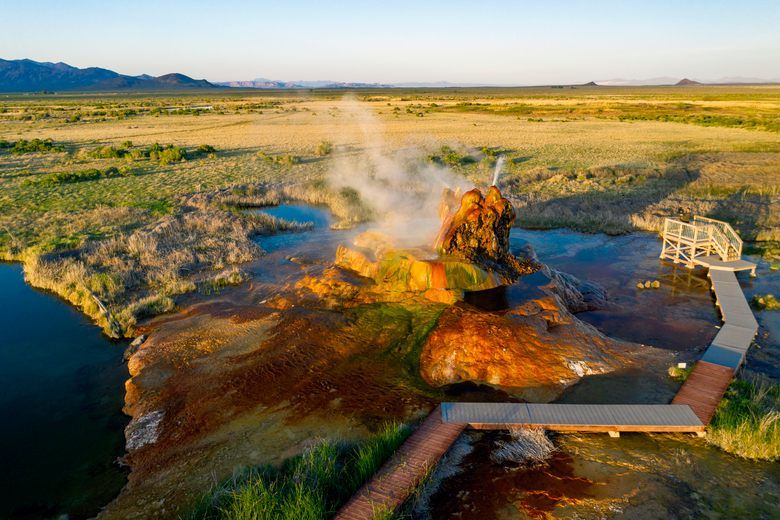
Fly Geyser
Gerlach, Nevada
This accidental masterpiece in the Black Rock Desert was born from botched well-drilling projects. Today, thermophilic algae paint its growing mineral mounds in brilliant shades of red and green, creating a surreal landscape that feels entirely extraterrestrial.
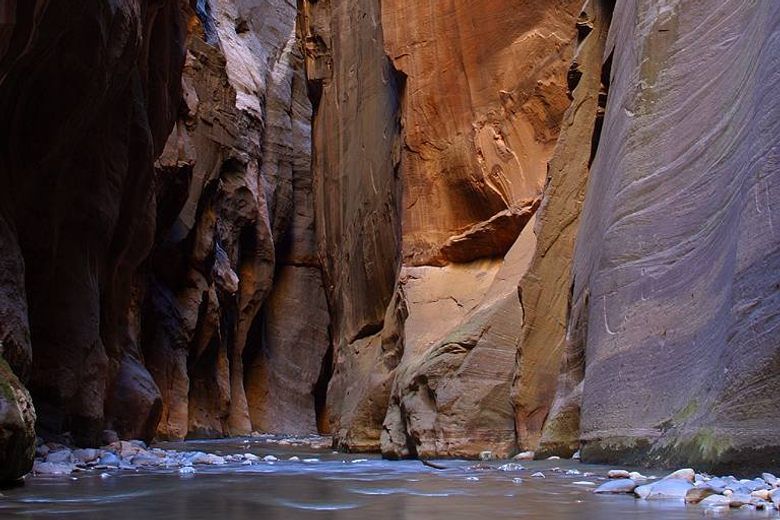
The Narrows
Springdale, Utah
This legendary trek swaps traditional trails for the bed of the Virgin River, sandwiching hikers between thousand-foot vertical cliffs in one of the world's most dramatic slot canyons.
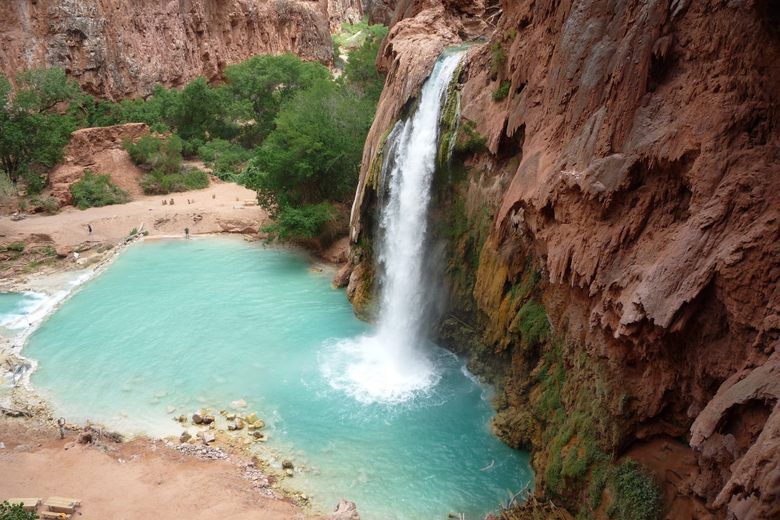
Havasupai Falls
Supai, Arizona
This secluded desert sanctuary features vibrant aquamarine waterfalls and travertine pools maintained by the Havasupai people. Reaching these stunning turquoise cascades requires a strenuous trek or a helicopter ride into a remote side canyon.