Boyle Heights, Los Angeles
Linda Vista Hospital: From Haunted Medical Ward to Senior Living
Los Angeles, California, United States
By the Wicked Cool Places editors · Published
Why it’s cool
This Mission Revival landmark served as a premier railroad hospital before its decline into a world-famous, eerie filming location for dozens of horror movies and paranormal investigations.

The Santa Fe Railroad established a medical haven in 1909 to care for its growing workforce. Originally a Moorish-style structure, the facility underwent a massive reconstruction in 1924.
Another site exploring medical history is the International Museum of Surgical Science. This second iteration, known as the Santa Fe Coast Line Hospital and later Linda Vista, embraced the Mission Revival style.
During its peak, the hospital was a model of self-sufficiency. It maintained its own dairy cows, poultry, and vegetable gardens to provide patients with the freshest possible nutrition during their recovery.
Why It Stands Out
The hospital is famous for its dramatic shift from a respected institution to a symbol of urban decay and cinematic terror. As the railroad industry waned and the surrounding Boyle Heights neighborhood faced rising crime in the 1970s, the hospital struggled to adapt.
Funding shortages led to operational shortcuts and a spike in mortality rates. By the time it shuttered in 1991, the staff reportedly walked away and left the building frozen in time.
Patient records sat open on desks and unmade beds remained in the wards. This derelict atmosphere made it a magnet for Hollywood location scouts.
The Roosevelt Island Smallpox Hospital Ruins also stand as a haunting symbol of medical history. The dusty, equipment-filled corridors served as the backdrop for more than 60 films, television shows, and music videos.
It became a staple of the horror genre, hosting ghost hunters and film crews who capitalized on its reputation for being haunted by the souls of those lost during its final, troubled years.
Before You Go
While its days as a crumbling film set are over, the architecture remains a significant part of the Los Angeles landscape. In 2013, the building underwent a massive renovation to address environmental hazards like lead and asbestos.
Nearby, the Psychiatry: An Industry of Death Museum offers a different perspective on medical institutions. It now serves a new purpose as the Hollenbeck Terrace senior apartments.
Visitors can view the restored Mission Revival exterior from the street, but the interior is now a private residential community. The transition from a site of medical innovation to a house of cinematic horrors and finally to a peaceful retirement home marks a unique chapter in California history.
Questions worth answering
Can I take a tour of the old medical wards?
The interior is off-limits to the public now. It was converted into the Hollenbeck Terrace senior apartments after a major renovation in 2013.
What makes the building architecturally significant?
It is a classic example of the Mission Revival style. The current structure dates back to a 1924 reconstruction that replaced the original Moorish design.
Why did the hospital have such a dark reputation?
After closing in 1991, the facility sat abandoned with records and beds still inside. This decay turned it into a frequent filming site for horror movies and ghost hunters.
How did the facility support itself in the early years?
The staff ran a self-sufficient operation to feed patients. They kept their own cows and chickens while growing vegetables in on-site gardens.
More in West Coast
All West Coast places →
Screen Novelties
Los Angeles, California
This boutique studio preserves the tactile charm of stop-motion animation. Beyond creating modern hits, they famously restored the original puppets from the 1964 Rudolph the Red-Nosed Reindeer special.
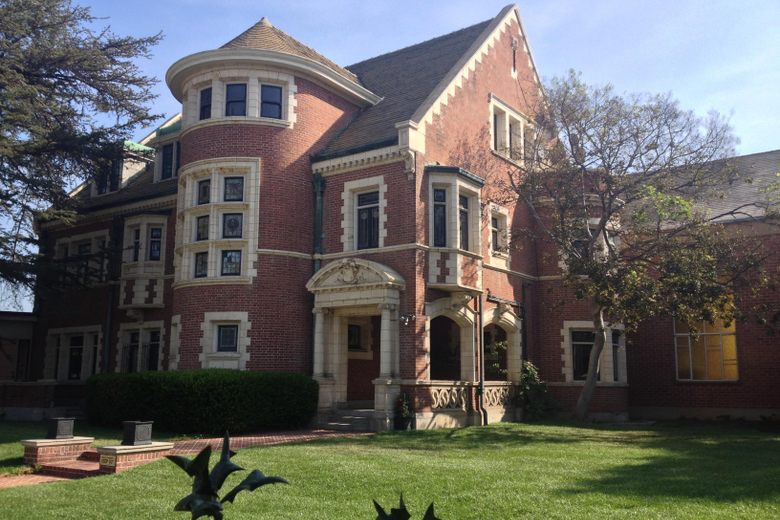
Rosenheim Mansion
Los Angeles, California
This 1902 estate served as the eerie backdrop for the debut of American Horror Story. Its opulent interiors and Gothic atmosphere make it a frequent star of film and television.
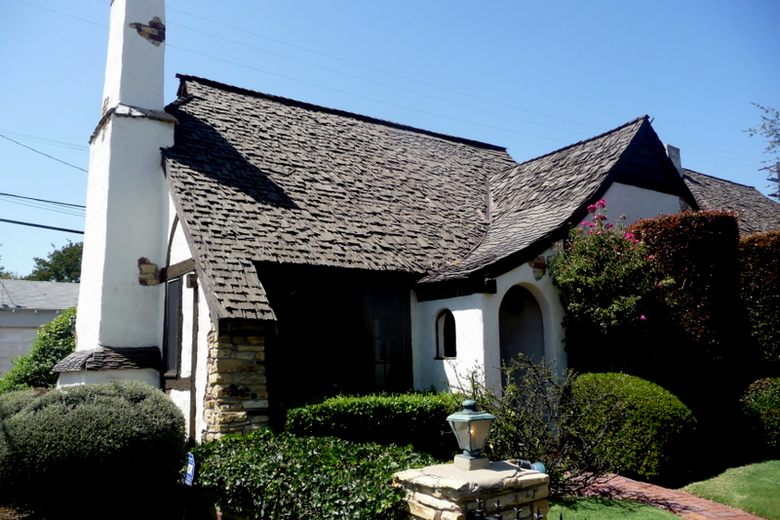
Snow White Cottages
Los Angeles, California
These eight whimsical homes define the 1930s storybook style and served as a direct visual reference for the dwarves' cottage in Disney's first animated masterpiece.