New York City Ruins
Smallpox Hospital Ruins: A Gothic Relic on Roosevelt Island
New York, New York, United States
By the Wicked Cool Places editors · Published · Updated
Why it’s cool
These skeletal Gothic remains represent a haunting chapter of medical history, preserved as a stabilized ruin on the southern tip of Roosevelt Island.
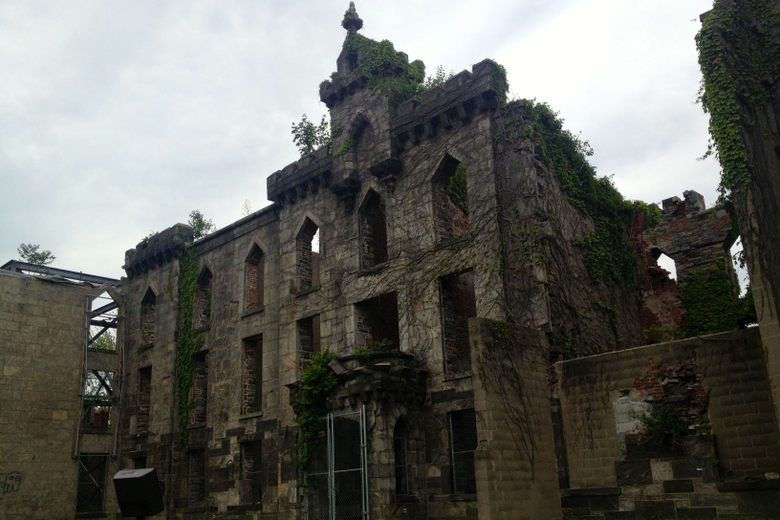
Standing at the southern edge of Roosevelt Island, the jagged granite walls of the Renwick Smallpox Hospital look more like a medieval castle than a mid-19th-century medical facility. This skeletal structure, designed by the same architect behind St.
Patrick’s Cathedral, serves as a stark reminder of a time when New York City had to physically isolate its most contagious citizens.
Why It Stands Out
Before it was Roosevelt Island, this narrow strip of land in the East River was known as Blackwell’s Island, a place defined by its separation from the bustling streets of Manhattan. In 1856, the city opened this Gothic Revival facility to house the thousands of people suffering from smallpox.
Architect James Renwick Jr. brought an unexpected elegance to the grim task of quarantine, utilizing crenelated parapets and heavy stone that have survived long after the roof collapsed. At its peak, the hospital managed roughly 7,000 patients annually, providing a ferry-accessible but strictly segregated zone for those fighting a disease that once claimed hundreds of thousands of lives across Europe every year.
While humanity eventually wiped out the virus entirely by 1979, this site remains a witness to the era before vaccination was universal. By 1875, the facility shifted roles, serving as a dormitory for nurses as the primary smallpox wards moved to the more remote North Brother Island.
Eventually, the building was left to the elements in the 1950s. While most abandoned New York structures are either restored or razed, the Landmarks Preservation Commission took a different path in 1975.
They designated the site a city landmark specifically in its state of decay, reinforcing the remaining walls to ensure the shell would stand as a permanent, stabilized ruin. The Gothic architecture here shares a similar sense of atmospheric decay with the Mount Moriah Cemetery.
Before You Go
You can reach the ruins by taking the F train to the Roosevelt Island station or by riding the scenic Roosevelt Island Tramway from Manhattan. For a more nautical approach, ferries from Wall Street, Astoria, and Long Island City also stop nearby.
Once on the island, a walk south along the waterfront leads directly to the fenced-off site. While you cannot step inside the crumbling interior for safety reasons, the perimeter offers clear views of the foundation and the surviving outer walls.
Those interested in historic city infrastructure might also enjoy the Old City Hall Station.
Questions worth answering
How do we get to the hospital site?
The F train or the tram from Manhattan are the standard routes. You can also catch a ferry from Wall Street, Astoria, or Long Island City and walk south along the water once you land.
Can we explore the inside of the granite walls?
The interior is off-limits because the structure is a stabilized ruin. You'll have to stay behind the fence, though the perimeter gives you a clear look at the foundation and the shell.
Who is responsible for the design of this place?
James Renwick Jr. was the architect, using the same Gothic Revival style he applied to St. Patrick’s Cathedral. He used heavy stone and crenelated parapets for a building that held seven thousand patients a year at its peak.
What happened to the building after the smallpox wards closed?
It became a dormitory for nurses in 1875 before the city abandoned it in the 1950s. We're looking at an editorial that grew from a Roosevelt Island Smallpox Hospital Ruins report, noting the site was landmarked in its decaying state by 1975.
More in Northeast
All Northeast places →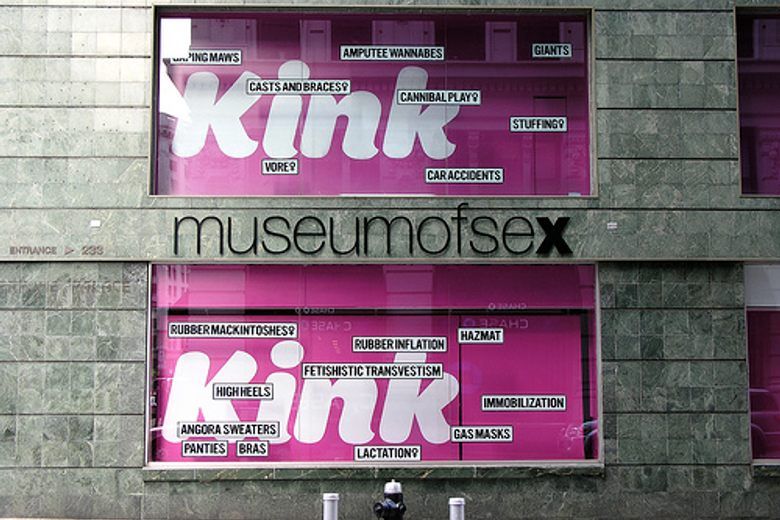
Museum of Sex
New York, New York
This institution bridges the gap between high-brow academia and carnal curiosity, housing a massive collection of 15,000 artifacts that explore the evolution of human intimacy.
Old City Hall Station
New York, New York
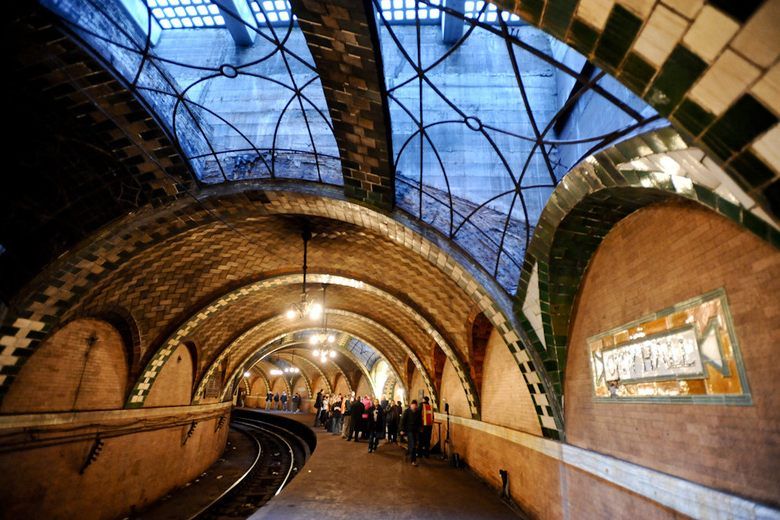
This decommissioned 1904 transit hub is a masterclass in subterranean elegance, featuring intricate Guastavino vaulted ceilings and brass chandeliers hidden beneath the busy streets of Lower Manhattan.
The Evolution Store
New York, New York
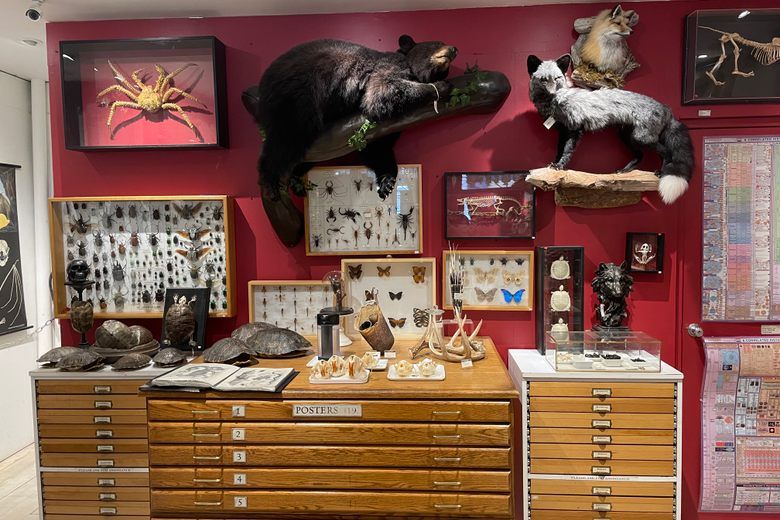
This meticulously curated shop functions like a private museum where you can actually buy the exhibits, offering everything from rare fossils to intricate skeletal displays.