Los Angeles Natural History
La Brea Tar Pits: The Fragile Dragonflies of the Pleistocene
Los Angeles, California, United States
By the Wicked Cool Places editors · Published · Updated
Why it’s cool
While mammoths and sabertooth cats grab the headlines, these fragile dragonfly fossils are some of the rarest finds ever recovered from the asphalt, providing vital clues about the ancient climate.
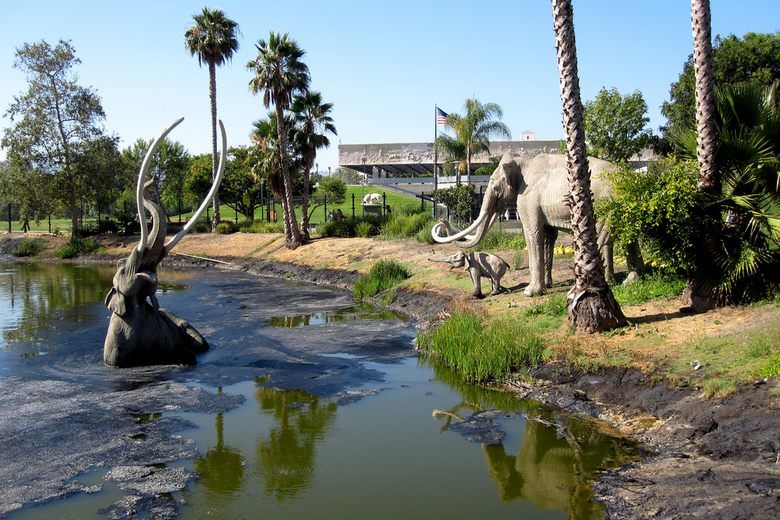
Hidden beneath the bustling traffic of the Miracle Mile, a subterranean fault line allows thick, black asphaltum to seep toward the surface. For thousands of years, these sticky pools have acted as a natural trap, ensnaring everything from massive mammoths to the tiniest of insects.
While the giant skeletons often steal the spotlight, the most remarkable survivors are the ones that should have turned to dust: the dragonflies.
Why It Stands Out
The La Brea Tar Pits represent one of the world's most concentrated records of life from the Pleistocene epoch, dating back roughly 11,000 to 40,000 years. While heavy-hitters like dire wolves and mastodons are found in abundance, the discovery of intact invertebrates is a rare feat of preservation.
Dragonflies are exceptionally delicate; for one to survive the crushing weight of the asphalt and the subsequent cleaning process in the Fossil Lab is a minor miracle. These tiny fossils are more than just curiosities.
They provide researchers with essential data regarding ancient plant pollination, local climate shifts, and the intricate layers of the prehistoric food chain. Within the 100 different deposits scattered across Hancock Park, these insects offer a fragile counterpoint to the more famous megafauna that once roamed Southern California.
Before You Go
Visitors can explore the active excavation sites at Hancock Park and the indoor exhibits at the George C. Page Museum.
The facility is open every day from 9 a.m. until 5 p.m. While there is a dedicated parking lot with a flat fee, street parking is available if you are diligent about checking the local signs.
Inside, the Fossil Lab offers a window into the painstaking work required to extract these fragile specimens from the sticky stuff without destroying them. Those interested in other fragile remains can visit The Museum of Death in the city.
Questions worth answering
What makes these specific fossils worth seeing?
Mammoths get the attention, but the dragonfly remains are the real find. These insects are incredibly fragile, yet they survived the asphalt to tell us how the local climate actually functioned.
When can we see the excavation process?
The museum and lab are accessible every day. Doors stay open between 9 a.m. and 5 p.m. for anyone wanting to see the work.
Where should we leave the car?
There's a lot on-site that charges a flat $15 fee. You can try the street instead, but we'd suggest reading the signs carefully so you don't get a ticket.
Is this a new discovery from your team?
We used a report on dragonfly fossils as our starting point and built our own editorial from there. The site itself covers a history spanning 11,000 to 40,000 years.
More in West Coast
All West Coast places →Ennis House
Los Angeles, California
This striking residence is a masterclass in atmospheric design, having portrayed everything from a terrifying haunted mansion to the home of a futuristic bounty hunter.
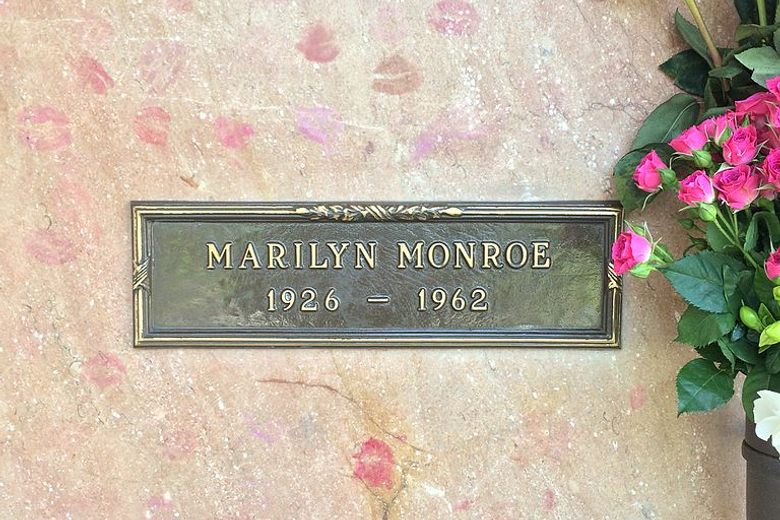
Marilyn Monroe's Crypt
Los Angeles, California
This modest cemetery transformed into a star-studded landmark because of one woman. Fans still visit the wall of crypts to leave lipstick-stained tributes to the screen icon.
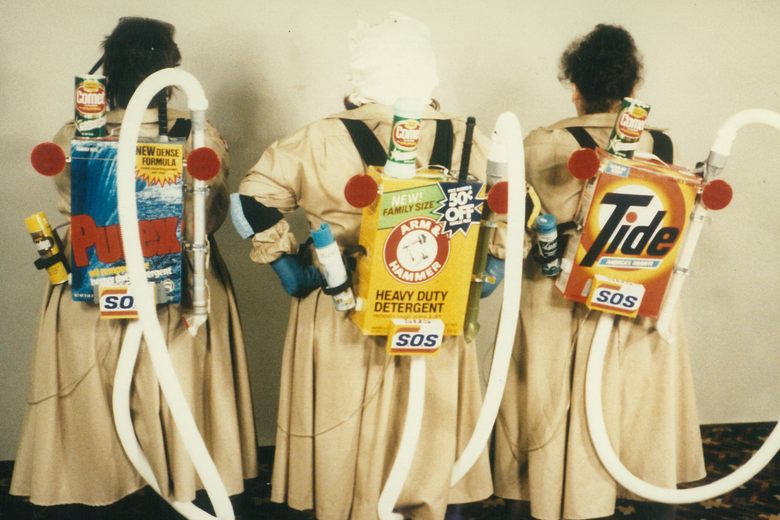
Los Angeles Science Fantasy Society
Los Angeles, California
This historic organization has served as a creative hub for icons like Ray Bradbury since 1934. It remains the oldest continuously operating science fiction and fantasy society on the planet.