Hollywood, California
Museum of Death: A Macabre Journey Through Mortuary History
Los Angeles, California, United States
By the Wicked Cool Places editors · Published · Updated
Why it’s cool
This Hollywood institution houses an unparalleled archive of the macabre, from serial killer artwork to authentic mortician tools, designed to provoke reflection on the fragility of life.
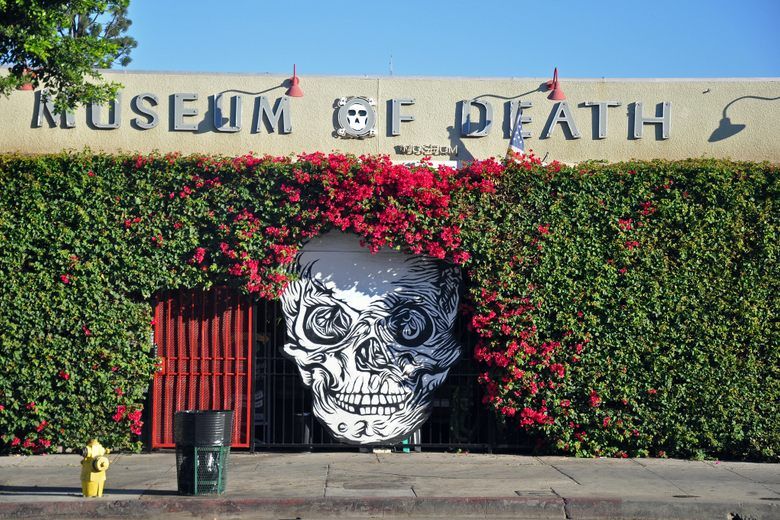
Tucked away in the heart of Hollywood is a collection dedicated entirely to the finality of the human experience. Founded in 1995 by James Healy and Cathee Shultz, the Museum of Death began its life in San Diego before relocating to Los Angeles at the turn of the millennium.
It serves as a stark, unflinching look at the end of life, housing artifacts that most institutions would find too unsettling to display. While the subject matter is undeniably dark, the founders believe that confronting these grim realities serves as a powerful reminder of how precious our time on earth truly is.
Why It Stands Out
The museum is home to the world’s most extensive archive of serial killer artwork and crime scene documentation. Visitors can view original photographs from the Manson Family crime scenes and the notorious Black Dahlia investigation.
Beyond the realm of true crime, the exhibits delve into the mechanics of mortality. On display is the actual severed head of Henri Landru, a French serial killer who met his end via guillotine.
The collection spans a wide variety of morbid curiosities, including full-scale replicas of execution devices and an array of authentic mortician and autopsy instruments. For those interested in the cultural aspects of death, the museum features a collection of body bags, coffins, and taxidermy.
Similar artifacts can be found at Woolly Mammoth Antiques and Oddities. One of the more haunting exhibits includes the original recruiting video for the Heaven’s Gate cult.
The experience is designed to be visceral, using photos and videos of medical procedures to pull back the curtain on what happens after the heart stops beating. Another specialized institution in the city is the Psychiatry: An Industry of Death Museum.
Before You Go
The museum is currently located at 6363 Selma Avenue in Hollywood. This is a self-guided experience, allowing guests to move through the galleries at their own pace.
The Cathedral of Our Lady of the Angels also offers a reflective atmosphere nearby. While the average visit lasts approximately one hour, there is no time limit for those who wish to linger and absorb the details of the various displays.
Be prepared for a sensory and emotional experience that is intended to shock, though the curators maintain it is a "good shock" meant to inspire gratitude for life.
Questions worth answering
What's the best way to see the collection?
We don't do tours here. You'll walk through the rooms on Selma Avenue at your own speed, which usually takes about an hour.
How did this place get started?
James Healy and Cathee Shultz opened the doors back in 1995. They moved the operation from San Diego to Hollywood around the year 2000 and we've built our own editorial from there.
What kind of artifacts are on display?
The inventory includes everything from the severed head of Henri Landru to original Manson Family crime scene photos. You'll also find taxidermy, coffins, and the recruitment film used by the Heaven's Gate cult.
Is the experience meant to be historical or just shocking?
It's both. While the vibe is historic, the graphic medical videos and execution devices are meant to provoke a visceral reaction that makes you value being alive.
More in West Coast
All West Coast places →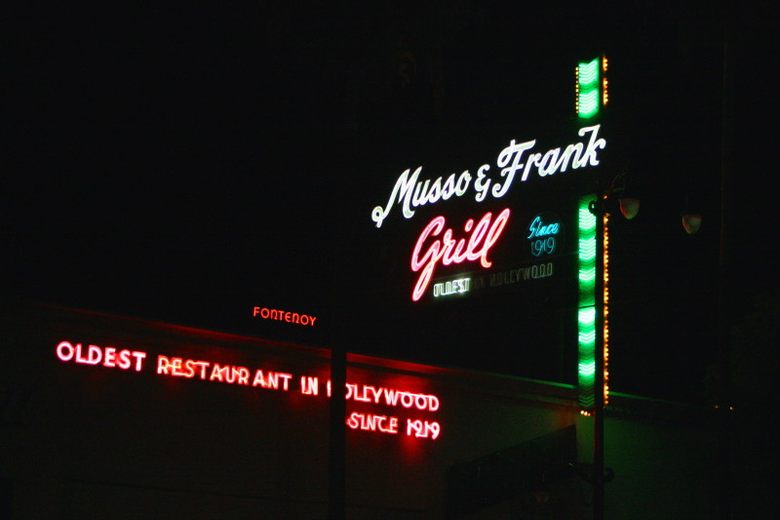
Musso and Frank Grill
Los Angeles, California
This 1919 landmark served as the social headquarters for the Golden Age of cinema and introduced fettuccine Alfredo to the American palate.
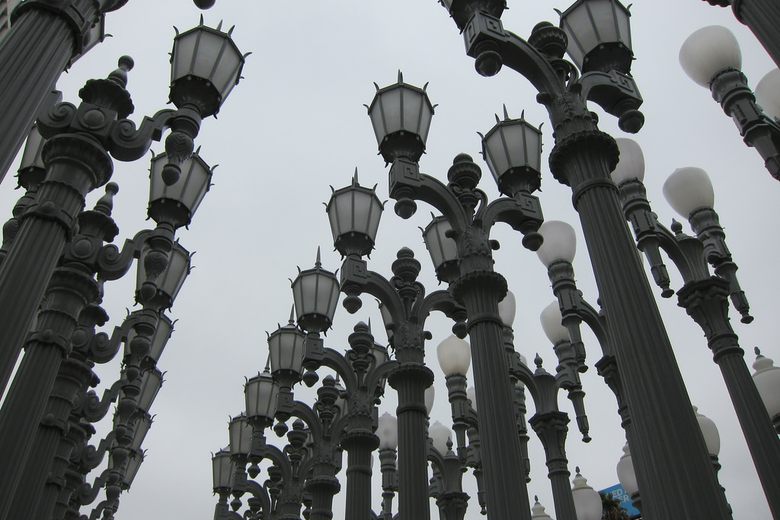
‘Urban Light’
Los Angeles, California
This massive assembly of 202 antique street lamps transforms a busy Los Angeles sidewalk into a glowing, neoclassical forest of steel and light.
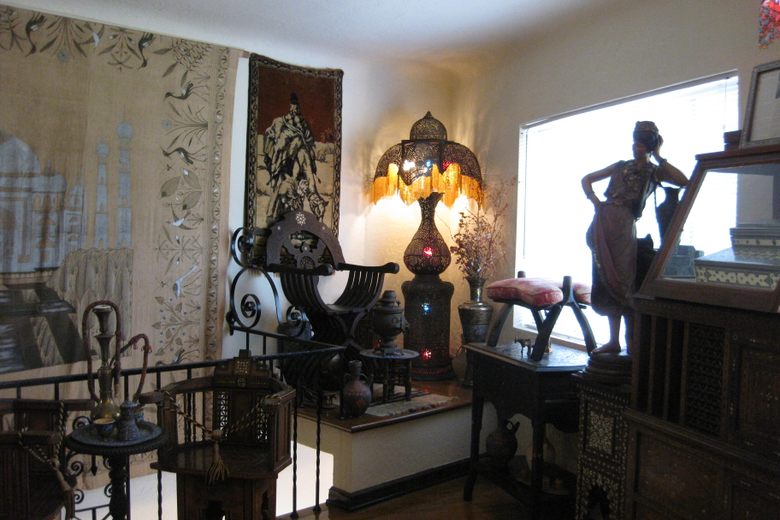
Holyland Exhibition
Los Angeles, California
This hidden Los Angeles museum showcases thousands of years of Middle Eastern history through the personal collection of a real-life adventurer who spent his life searching for the Ark of the Covenant.