New Orleans, Louisiana
Jazzland New Orleans: The Sunken Relics of a Lost Theme Park
New Orleans, Louisiana, United States
By the Wicked Cool Places editors · Published · Updated
Why it’s cool
This once-vibrant amusement park was transformed into a dystopian wasteland by Hurricane Katrina, leaving behind rusted roller coasters and water-damaged mascots that create a haunting post-apocalyptic scene.
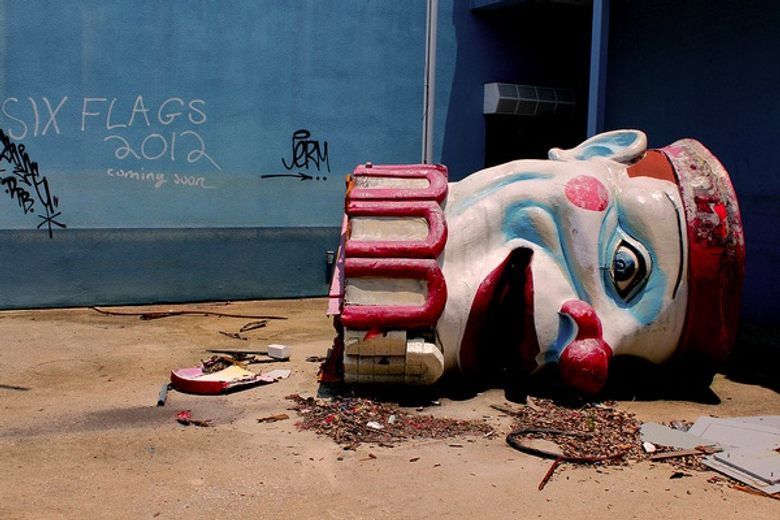
The laughter of the midways has long been replaced by the creaking of rusting steel and the rustle of overgrown weeds in New Orleans. What was once a premier destination for family thrills now stands as a somber monument to the power of nature.
When the levees failed during Hurricane Katrina in 2005, this sprawling amusement park was submerged under six feet of stagnant, brackish water, turning a place of joy into a soggy, pastel-colored graveyard.
Why It Stands Out
While much of New Orleans has been rebuilt, this site remains frozen in a state of mid-2000s decay. The floodwaters lingered for weeks, with the corrosive saltwater eating away at the foundations of thrill rides and concession stands.
Today, the skeletal remains of roller coasters look less like engineering marvels and more like massive sea serpents rising from the swamp. Most of the park’s infrastructure was declared a total loss, but there were strange exceptions.
The Batman roller coaster, perched on a higher platform, managed to survive the worst of the deluge relatively intact. Elsewhere, the scene is more surreal: Mardi Gras figures and fiberglass mascots sit in an eternal, apocalyptic freeze-frame, their faces weathered by years of neglect.
It is a rare, large-scale example of a modern ruin that has become a magnet for those fascinated by the intersection of human entertainment and environmental catastrophe.
Before You Go
It is important to note that the former Six Flags New Orleans is private property and entry is illegal. Local authorities frequently patrol the area, and trespassing can lead to arrest.
The site is also physically dangerous due to structural instability and the presence of local wildlife. Most visitors choose to observe the park's haunting silhouette from the perimeter or the access road located to the west of the grounds.
Viewing the site from a distance still offers a chilling perspective on the disaster that reshaped the Gulf Coast.
Questions worth answering
Can we walk through the park grounds?
No. It's private property and the local police patrol the perimeter to arrest anyone trespassing. Most people stick to the western access road for a look instead.
What makes the scenery here so different from the rest of the city?
Most of the neighborhood was rebuilt, but this spot is stuck in 2005. The saltwater from the hurricane did a number on the foundations, leaving the rides to rot into the swamp.
Are there any rides that actually survived the flood?
The Batman coaster stayed mostly dry because it was built on a higher platform. The rest of the park stayed under six feet of water for weeks, which ruined almost everything else.
How did the floodwaters change the look of the rides?
Saltwater sat in the park for weeks, corroding foundations and turning steel structures into rusted, skeletal shapes. The roller coasters now look like massive serpents rising out of the swampy landscape.
More in Southeast
All Southeast places →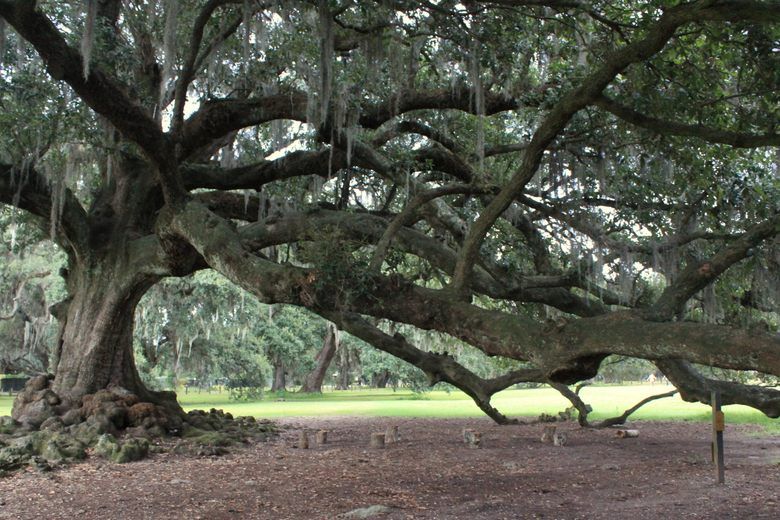
The Tree of Life
New Orleans, Louisiana
This centuries-old live oak offers massive, climbable limbs and a secret vantage point into the neighboring zoo's giraffe habitat.
Marie Laveau's House of Voodoo
New Orleans, Louisiana
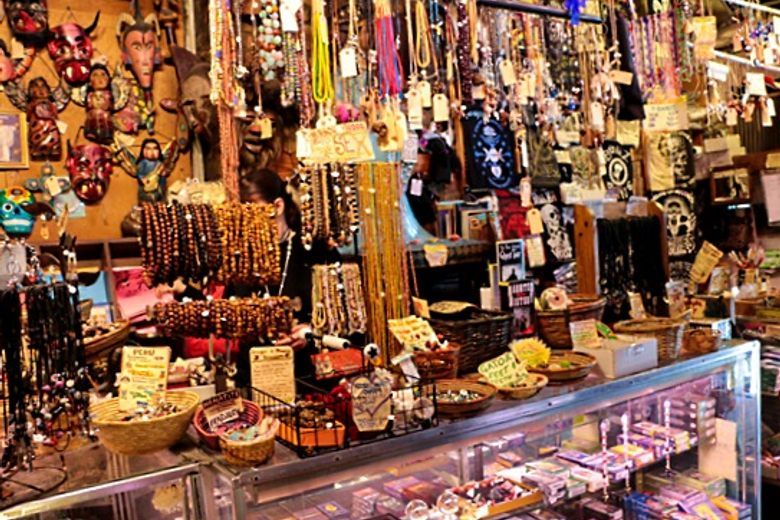
This legendary French Quarter establishment preserves the memory of Marie Laveau II through a blend of historical museum exhibits and a functioning spiritual shop.
Séance Room at Muriel's Jackson Square
New Orleans, Louisiana
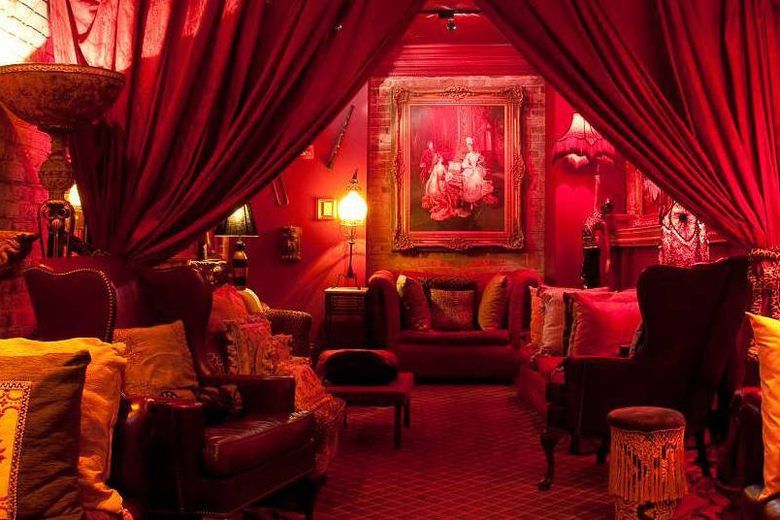
This French Quarter institution honors its resident spirit by setting a permanent table for him, complete with bread and wine, inside a building featuring a dedicated second-floor séance room.