Arizona's Remote Desert Oasis
Havasupai Falls: The Turquoise Oasis Hidden Deep in the Grand Canyon
Supai, Arizona, United States
By the Wicked Cool Places editors · Published · Updated
Why it’s cool
This secluded desert sanctuary features vibrant aquamarine waterfalls and travertine pools maintained by the Havasupai people. Reaching these stunning turquoise cascades requires a strenuous trek or a helicopter ride into a remote side canyon.
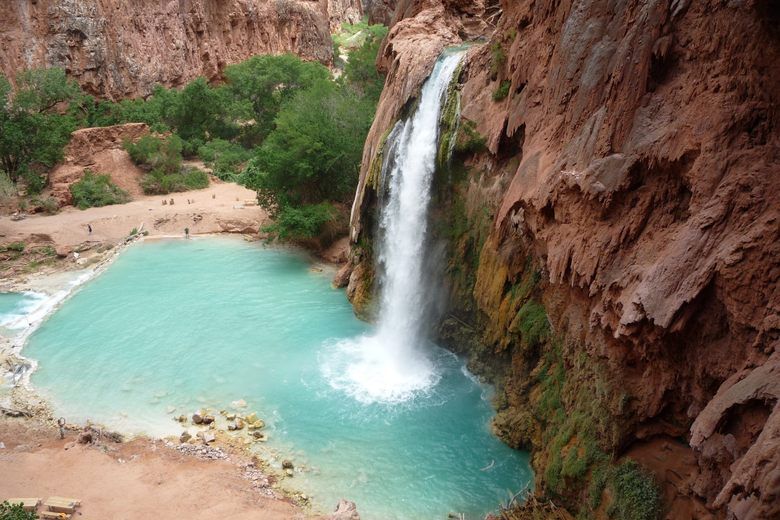
Deep within the sun-scorched labyrinth of Arizona’s red rock country, a startling splash of liquid turquoise defies the desert heat. These are the ancestral lands of the Havasupai, the "people of the blue-green water," who have served as the dedicated guardians of this canyon floor for generations.
While millions peer over the rim of the nearby National Park, only a fortunate few descend into this hidden paradise where spring-fed creeks create a series of surreal, mineral-rich cascades.
Why It Stands Out
The striking color of Havasu Creek isn't an optical illusion; it is the result of high concentrations of calcium carbonate. This mineral content does more than just tint the water a brilliant aquamarine; it also builds up over time to create natural travertine dams.
These formations result in a series of tiered, 70-degree pools that offer a refreshing reprieve from the Arizona sun. The centerpiece is the 100-foot Havasu Falls, a thunderous curtain of water that drops into a wide turquoise basin.
For those who explore further, the canyon reveals four other distinct falls: Mooney, Navajo, Supai, and Beaver Falls. Each offers its own character, from sheer vertical drops to wide, terraced flows.
Another unique cascade to explore is Proxy Falls. The journey to reach them is a visual feast of towering red sandstone walls, hardy desert cacti, and ancient pictograms that whisper of the canyon's long human history.
Vibrant geological formations can also be found at Paint Mines Interpretive Park.
Before You Go
Accessing this sanctuary requires significant planning and physical effort. The Havasupai Tribe strictly regulates entry through a permit system, and day hiking is prohibited; visitors must secure an overnight reservation at the campground or lodge in the village of Supai.
The trek to the falls is a strenuous 10-mile journey each way through dry, rugged terrain. For those unable to make the hike, alternative transport includes mules, horses, or a helicopter flight.
Interestingly, the helicopter landing zone is located near the final active Pony Express stop in the United States. Because of the extreme environment and the sacred nature of the land, visitors are expected to respect tribal regulations and prepare for a primitive backcountry experience.
Questions worth answering
What's the process for visiting the falls for a few hours?
You can't just drop in for the day. The tribe requires an overnight reservation for the lodge or campground, and you'll need a permit before you arrive.
How do we actually get down to the water?
It's a ten-mile trek through rough, dry territory if you're on foot. If you aren't hiking, your options are limited to horses, mules, or catching a helicopter flight.
Why does the water look like that?
The creek has high levels of calcium carbonate. That mineral content creates the blue-green tint and builds the travertine dams that form the swimming pools.
Is there anything else to see besides the main 100-foot drop?
The canyon holds four other falls including Mooney and Beaver. You'll also pass red sandstone walls and old pictograms along the trail.
More in Southwest
All Southwest places →Desert Reef Hot Springs
Florence, Colorado
Tucked away in the Colorado landscape, this geothermal destination offers a rare clothing-optional environment where visitors can soak in mineral-rich waters sourced directly from the earth.
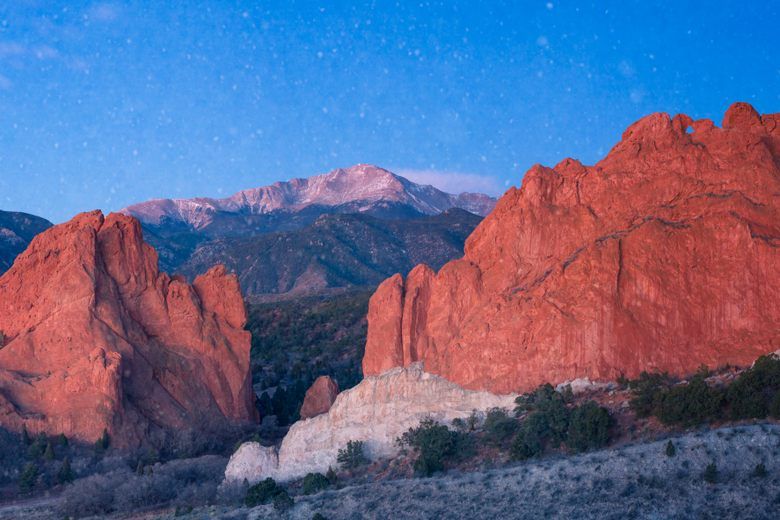
Garden of the Gods
Colorado Springs, Colorado
These dramatic red sandstone fins were thrust vertically by ancient tectonic shifts, creating a landscape so surreal that early explorers deemed it fit for deities.
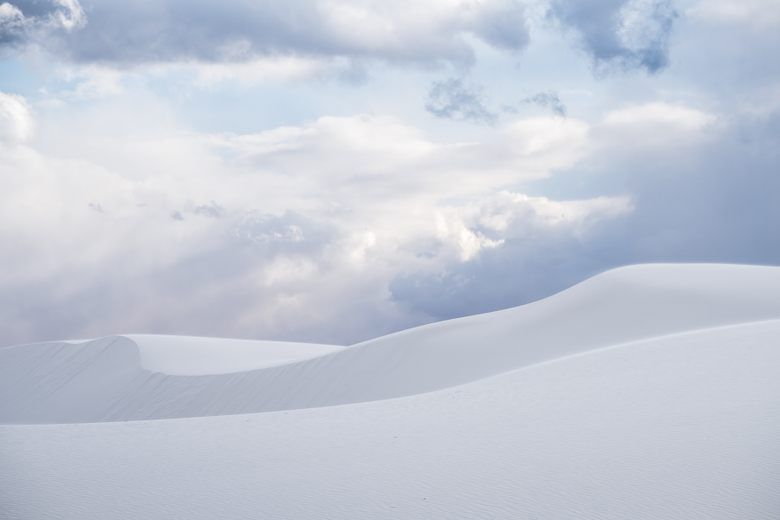
White Sands National Park
Alamogordo, New Mexico
This massive 115-square-mile landscape is the planet's largest deposit of pure gypsum, offering a surreal backdrop for dune sledding and exploring rare, bleached wildlife.