Glenwood Springs, Colorado
Hanging Lake: A Turquoise Basin Perched in Glenwood Canyon
Glenwood Springs, Colorado, United States
By the Wicked Cool Places editors · Published · Updated
Why it’s cool
This glacially formed lake features rare travertine deposits and vibrant turquoise water, appearing to hang precariously from the sheer walls of Glenwood Canyon.
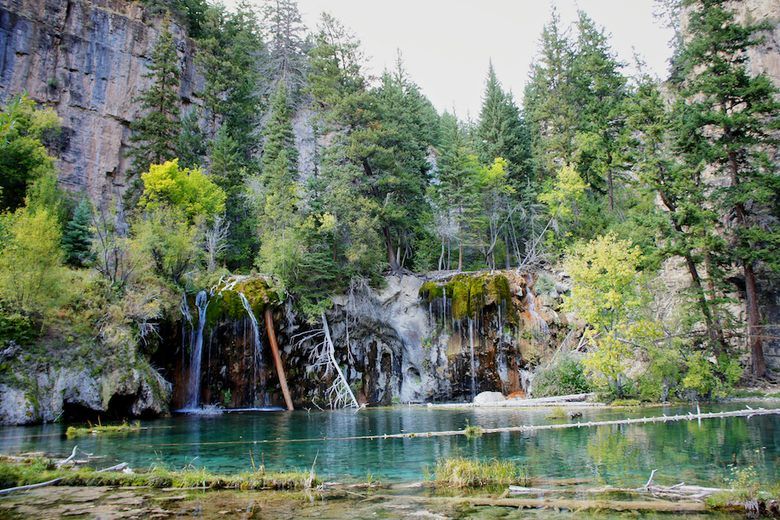
High above the Colorado River, tucked into the vertical folds of Glenwood Canyon, lies a geological marvel that defies the arid surroundings. Hanging Lake is a rare example of a travertine-formed basin, where mineral deposits have built a fragile rim around waters so clear they reveal every trout swimming in the depths.
This emerald-hued sanctuary, once a private homestead found by a gold prospector, has been a protected public treasure for over a century.
Why It Stands Out
The lake's striking "Paris Green" color comes from its unique chemistry and glacial history. Other sites with unique mineral colors include the Fly Geyser.
Unlike typical alpine lakes, this one appears suspended on the canyon side, held in place by delicate travertine edges formed by dissolved limestone. Just a short walk beyond the main shoreline, the scenery continues at Spouting Rock, where a waterfall bursts directly through holes in the solid canyon wall.
Despite the scars of a 2020 wildfire visible along the approach, the lake itself remains a pristine oasis of vibrant color and ancient geology.
Before You Go
Reaching this fragile ecosystem requires a steep 1.2-mile trek that climbs roughly 1,000 feet along Dead Horse Creek. Because the site is so popular and ecologically sensitive, a permit system is in place; reservations cost $12 (dropping to $10 in winter) and should be booked well in advance.
Access is strictly controlled via I-70: you can only enter the parking area from the eastbound lanes. If you are traveling westbound, you must continue to exit 121 and double back.
Note that swimming, fishing, and bringing dogs are all strictly prohibited to protect the travertine and water quality. Similar protections are found at the Morning Glory Pool.
Parking lots often reach capacity before 8:30 AM during the summer, so early arrival is essential.
Questions worth answering
How do we get to the parking area without getting turned around?
The lot is only accessible from the eastbound lanes of I-70. If you're heading west, you'll need to use exit 121 to turn back around before you can enter.
What makes the water look like that?
The basin is a travertine-formed wonder with a specific chemical makeup and glacial past. These factors create a deep green shade that looks like it's clinging to the canyon walls.
Are there any rules we should know before starting the hike?
Leave your fishing gear and dogs at home, and don't plan on swimming. This is a fragile environment where mineral edges hold the water in place, so we keep human and pet impact to zero.
Is it true we need a reservation to see the lake?
You'll need to secure a permit for 12 dollars, though the price drops to 10 dollars during the winter season. Our own editorial from there notes that booking early is the only way to ensure a spot at this popular site.
More in Southwest
All Southwest places →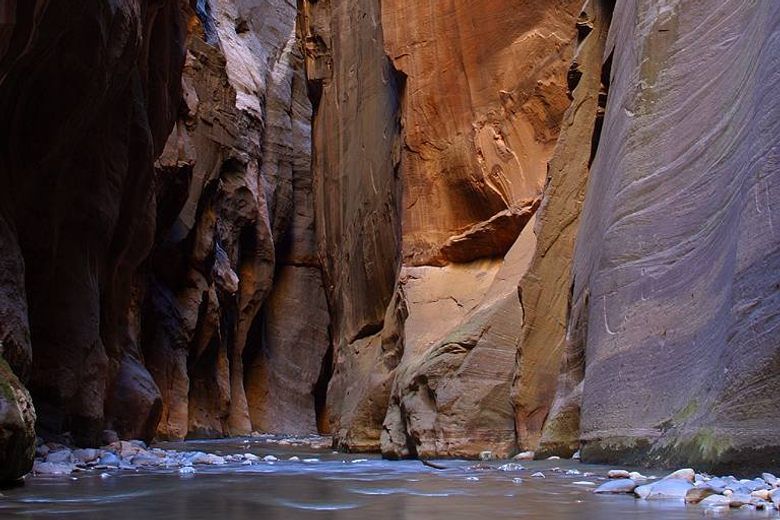
The Narrows
Springdale, Utah
This legendary trek swaps traditional trails for the bed of the Virgin River, sandwiching hikers between thousand-foot vertical cliffs in one of the world's most dramatic slot canyons.
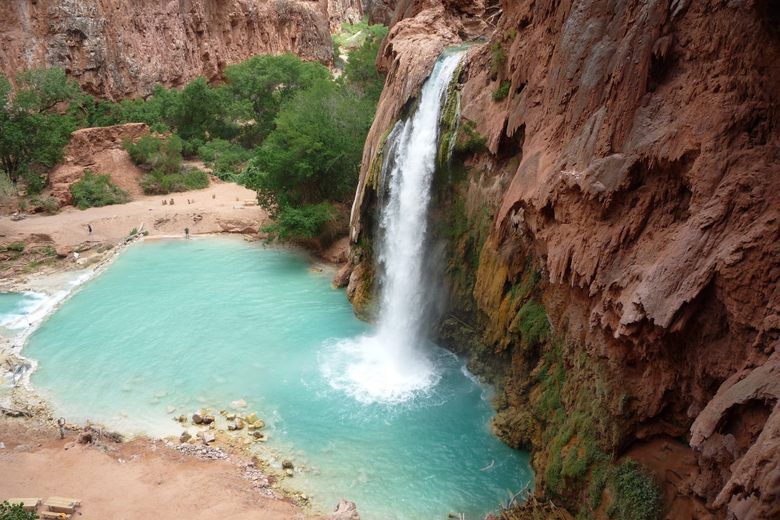
Havasupai Falls
Supai, Arizona
This secluded desert sanctuary features vibrant aquamarine waterfalls and travertine pools maintained by the Havasupai people. Reaching these stunning turquoise cascades requires a strenuous trek or a helicopter ride into a remote side canyon.
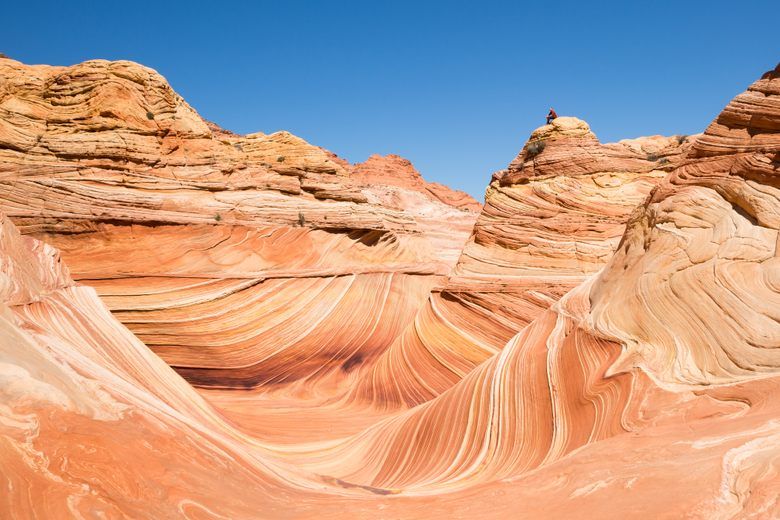
The Wave
Marble Canyon, Arizona
This rare geological site features Navajo Sandstone that has calcified into dizzying, fluid-like ribbons. With access limited to just 64 people daily, it offers a nearly solitary experience within a 190-million-year-old desert dreamscape.