Wyoming's Igneous Icon
Devils Tower: America's First National Monument and Its Mythic Origins
Devils Tower, Wyoming, United States
By the Wicked Cool Places editors · Published · Updated
Why it’s cool
This striking stone monolith holds the distinction of being the first National Monument in the United States, blending enigmatic geology with powerful indigenous folklore.
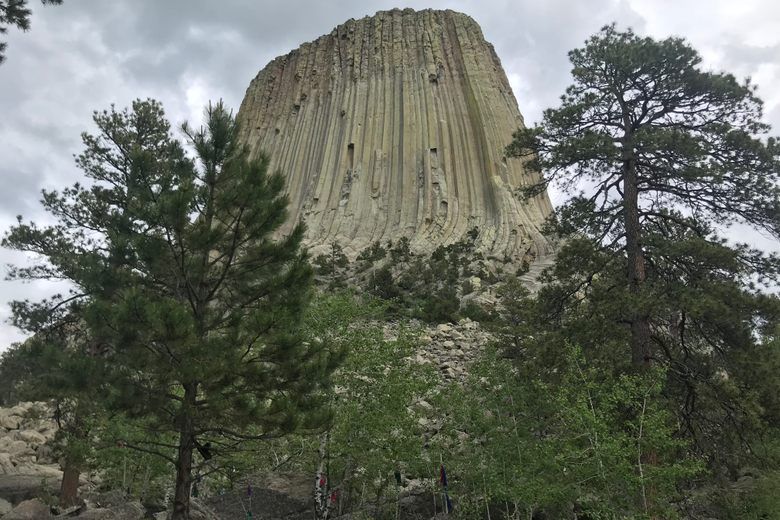
Rising abruptly from the rolling plains of northeastern Wyoming, this massive stone pillar defies simple explanation. While it is clearly a mountain, the precise mechanics of its birth remain a subject of debate among geologists, leaving a void where science and storytelling often collide.
The vertical columns that define its silhouette create a landscape unlike any other in the American West.
Why It Stands Out
In 1906, the site’s singular importance was recognized when it was designated as the very first National Monument in the country. This official status came just over a decade after the first documented climb in 1893, when William Rogers and W.L.
Ripley reached the summit. The tower is famous for its vertical grooves, which look like giant scores in the stone.
While scientists propose various volcanic formation theories to explain these features, none have been definitively proven. Other western landmarks like Proxy Falls also showcase the region's unique volcanic history.
This lack of certainty allows local legends to flourish alongside academic study. One enduring tale describes two young girls fleeing from enormous bears; as they prayed for safety atop a rock, the earth surged upward, leaving the pursuing predators to scratch the deep, vertical furrows into the cliffside as they slipped back to the ground.
Before You Go
The monument is situated in a remote corner of Wyoming and is accessible via several regional routes. It sits roughly 27 miles northwest of Sundance and 33 miles northeast of Moorcroft.
If you are coming from South Dakota, it is about a 52-mile drive southwest from Belle Fourche. The area remains a magnet for both nature lovers and technical climbers drawn to its sheer, mysterious walls.
The Bisti Badlands offer another example of the unusual stone formations found across the American West. Be prepared for a landscape that feels both ancient and unexplained.
Questions worth answering
What makes this Wyoming pillar worth the drive?
It's the first National Monument in the country, a title held since 1906. The vertical grooves and massive stone presence create a silhouette that doesn't look like anything else out west.
How did those deep vertical marks actually get there?
Geologists still argue over the volcanic mechanics behind the columns. Local legend suggests they're scratches from giant bears chasing two girls up a rising rock.
Is it possible to reach the top?
People have been scaling the walls since 1893 when W.L. Ripley and William Rogers made the first climb. It's still a primary destination for technical climbers today.
Where exactly do we find it on the map?
You'll find the site 33 miles northeast of Moorcroft or about 27 miles northwest of Sundance. If you're crossing over from Belle Fourche, expect a 52-mile drive southwest.
More in Pacific Northwest
All Pacific Northwest places →Morning Glory Pool
Yellowstone National Park, Wyoming
This thermal wonder is a striking example of Yellowstone's natural beauty, yet it serves as a powerful reminder of how human interference can threaten delicate geological features.
Crater Lake
Crater Lake, Oregon
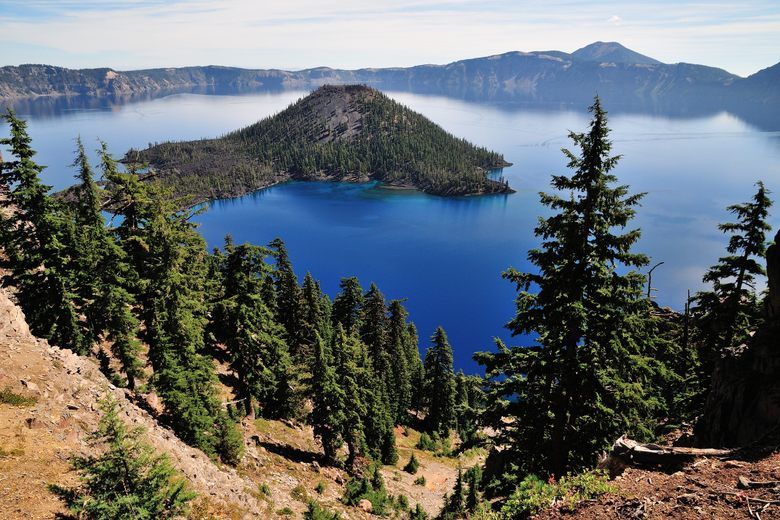
It's the deepest lake in the country, and it sits inside the ruins of a mountain that blew itself apart. Snowmelt and rain filled the caldera over centuries, leaving water so clear and deep it turns a blue that photographs never quite believe.
Multnomah Falls
Corbett, Oregon
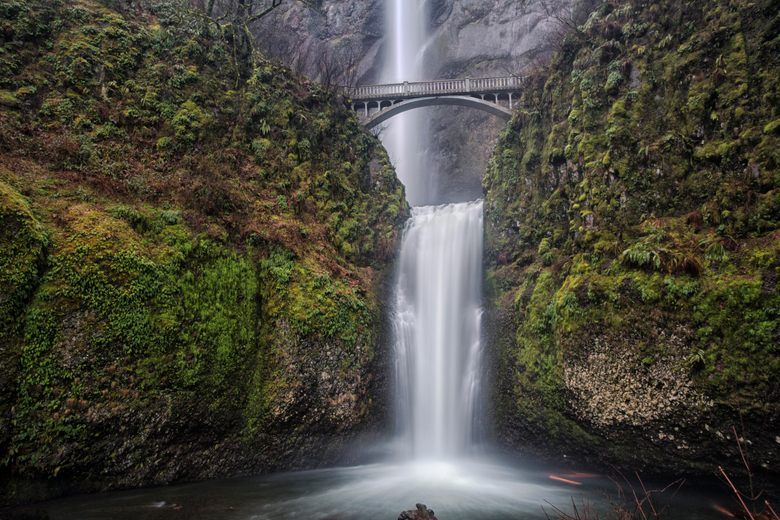
This massive 611-foot double cascade flows through every season thanks to an underground spring, offering a dramatic vertical spectacle just a short drive from Portland.