The Oregon Cascades
Crater Lake: The Deepest Lake in America, Born of Catastrophe
Crater Lake, Oregon, United States
By the Wicked Cool Places editors · Published · Updated
Why it’s cool
It's the deepest lake in the country, and it sits inside the ruins of a mountain that blew itself apart. Snowmelt and rain filled the caldera over centuries, leaving water so clear and deep it turns a blue that photographs never quite believe.
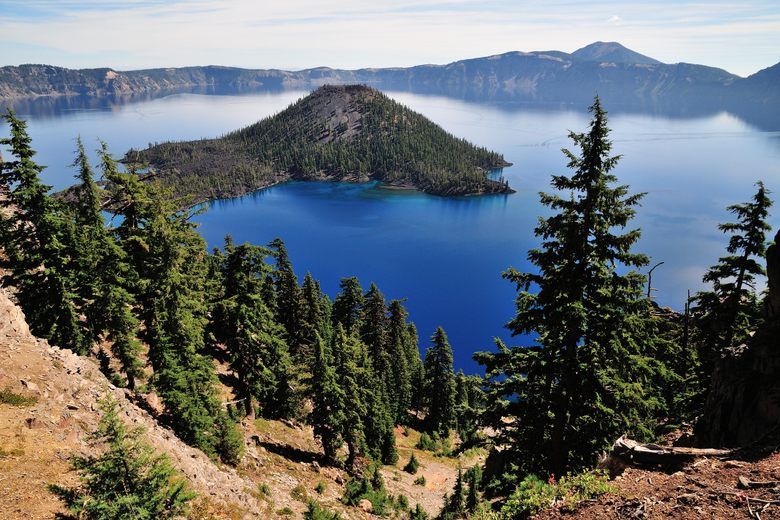
Some views make you go quiet. Crater Lake is one of them, a vast, impossibly blue circle of water ringed by cliffs, with a single cinder cone breaking the surface like the back of something sleeping.
Why It Stands Out
The lake is the deepest in the United States, but the number matters less than the reason it exists. A mountain once stood here and then destroyed itself in an eruption violent enough to collapse its own summit.
What was left was a huge bowl, which slowly filled with snowmelt and rain until it became the lake we see now. No rivers feed it and none drain it, which is part of why the water is so startlingly clear.
The Indigenous peoples of the region carried the memory of that cataclysm in their stories long before geologists confirmed it, and standing on the rim, you understand why an event like that would live on in legend. This site remains a defining landmark of the Pacific Northwest.
Before You Go
The rim road and its overlooks are the main event, and much of the area is buried in snow for a good chunk of the year, so timing matters. In the warmer months you can drive the loop, hike down to the water at the one permitted trail, and catch a boat out toward the cone.
Bring layers whatever the forecast says. The weather up on the rim has its own opinions.
Questions worth answering
What's the story behind how this place formed?
A mountain once stood here before it blew itself apart in a massive eruption. The resulting bowl filled with rain and snow over several centuries to create the water we see today.
Why is the water so clear compared to other spots?
No rivers flow into or out of the caldera. This lack of outside sediment keeps the blue depths remarkably transparent.
What should we expect from the weather on the rim?
The conditions at the top often ignore the local forecast. Pack several layers and expect heavy snow to cover the area for most of the year.
Can we actually get down to the water or out to the cinder cone?
We can hike down to the shore using the single permitted trail. During the warmer months, boat trips depart from there to take us out toward the cinder cone.
More in Pacific Northwest
All Pacific Northwest places →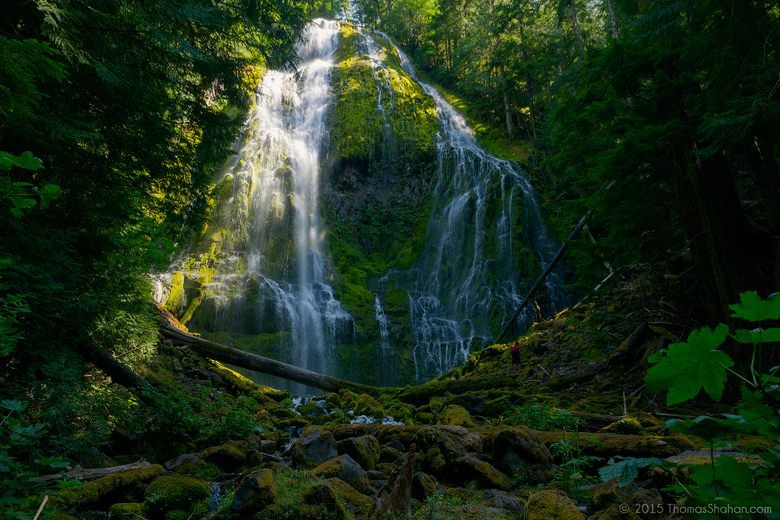
Proxy Falls
McKenzie Bridge, Oregon
This iconic Oregon cascade features a rare geological quirk: instead of forming a river, the water drains directly into ancient, porous lava rock at the base of the falls.
Morning Glory Pool
Yellowstone National Park, Wyoming
This thermal wonder is a striking example of Yellowstone's natural beauty, yet it serves as a powerful reminder of how human interference can threaten delicate geological features.
'A Sound Garden'
Seattle, Washington
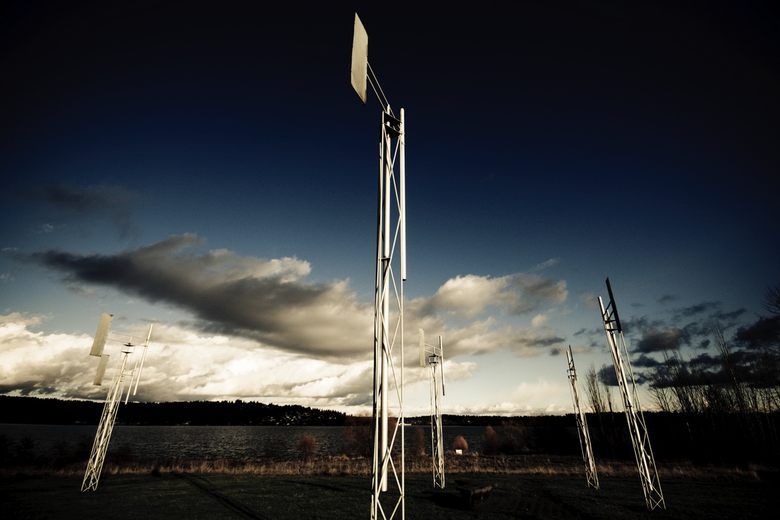
This towering cluster of steel pipes transforms the breezes of Lake Washington into a haunting chorus of whistles and howls, providing the namesake for one of grunge's most iconic bands.