Southwestern Colorado Archaeological Preserve
Canyons of the Ancients: Colorado's Wild Archaeological Frontier
Dolores, Colorado, United States
By the Wicked Cool Places editors · Published · Updated
Why it’s cool
This rugged landscape holds a staggering density of Ancestral Puebloan ruins, where the lack of formal development has left thousands of historical sites in a stunning state of natural preservation.
Tucked away in the rugged terrain of Dolores, Colorado, this expansive landscape serves as a silent witness to a vibrant past. Rather than a manicured museum experience, this area offers a raw encounter with history, where the sheer volume of Ancestral Puebloan remnants creates an immersive archaeological atmosphere unlike anywhere else in the Southwest.
The high-desert mesas and deep sandstone draws hide a story of a civilization that thrived here long ago, leaving behind a footprint that is as vast as it is intricate.
Why It Stands Out
What makes this location truly remarkable is the density of its historical treasures. The landscape is dotted with a breathtaking collection of structures and artifacts that have survived the centuries in a remarkably raw state.
Interestingly, much of this preservation is the result of what might be called productive neglect. Because the area remained relatively isolated and lacked the heavy foot traffic or intensive development of more famous neighboring sites, the ruins have maintained an authentic, weathered integrity.
A similar sense of productive neglect can be found at Mount Moriah Cemetery, where nature has also reclaimed historic structures. Visitors can find everything from multi-room dwellings to subtle remnants of daily life, all integrated seamlessly into the natural environment.
It is a place where the lack of modern intervention has allowed the ancient world to remain visible and visceral.
Before You Go
The site is located near Dolores, Colorado. Because this is a vast and largely undeveloped archaeological area, visitors should arrive prepared for a more self-guided experience.
Respect the integrity of the ruins by leaving every artifact exactly where you find it. Since many of these structures have been preserved by their remote nature, expect rugged conditions and limited facilities compared to traditional national parks.
Proper preparation for high-desert exploration is essential, as the terrain can be challenging and the historical sites are spread across a wide, wild geography.
Questions worth answering
What's the actual experience like on the ground?
Expect a raw encounter with history rather than a manicured museum setup. The high-desert mesas and sandstone draws are filled with Ancestral Puebloan remnants that feel visceral because they haven't been over-developed.
How does this compare to more famous archaeological parks?
The sheer density of ruins here is staggering compared to other spots in the Southwest. A lack of heavy foot traffic has resulted in a weathered integrity that we find much more authentic than polished tourist sites.
Are there any specific rules for visiting these ruins?
Don't touch or move anything you see. Every artifact must stay exactly where it is to respect the site's historical footprint.
Where exactly is this area and what should we bring?
We'll find these ruins near Dolores, Colorado, in a high-desert landscape that lacks typical park facilities. It's essential to pack for a self-guided trek through rugged sandstone draws and mesas where the terrain is often challenging.
More in Southwest
All Southwest places →Nine Mile Canyon
Carbon County, Utah
Spanning forty miles of rugged Utah landscape, this canyon holds an incredible density of ancient petroglyphs and pictographs, earning it a reputation as a massive open-air museum.
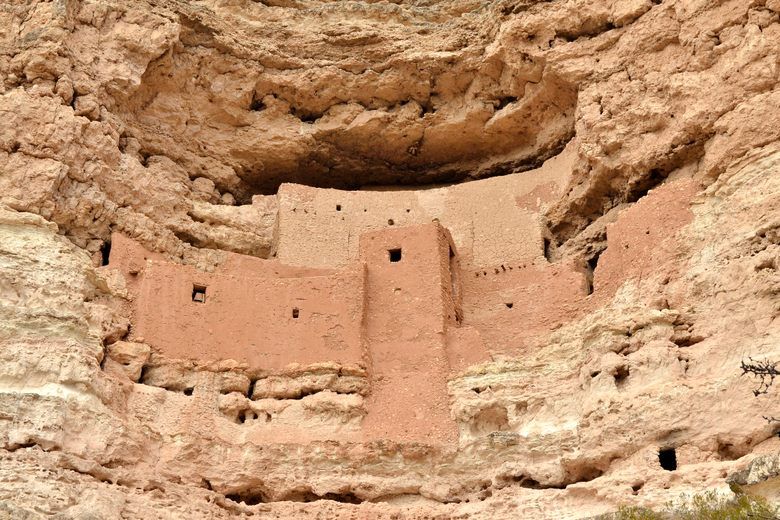
Montezuma Castle
Yavapai County, Arizona
Suspended ninety feet above the valley floor, this ancient high-rise is a marvel of cliffside engineering that earned federal protection from Teddy Roosevelt.
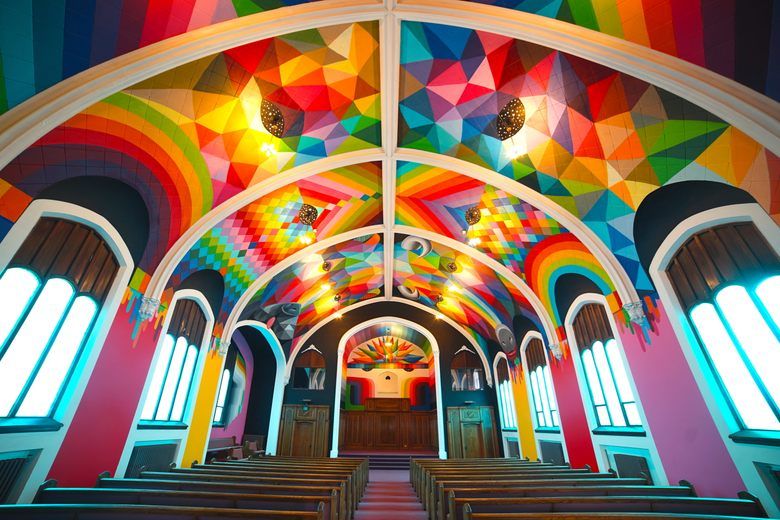
International Church of Cannabis
Denver, Colorado
This century-old chapel has been reimagined as a vibrant hub for Elevationism, featuring a stunning 360-degree mural and a high-energy laser show set to rock classics.