Historic Salem Landmark
The Witch House: Salem’s Last Standing Link to the 1692 Trials
Salem, Massachusetts, United States
By the Wicked Cool Places editors · Published · Updated
Why it’s cool
This dark-timbered home is the only surviving building in Salem with a direct connection to the 1692 witch trials, having served as the residence of Judge Jonathan Corwin for four decades.
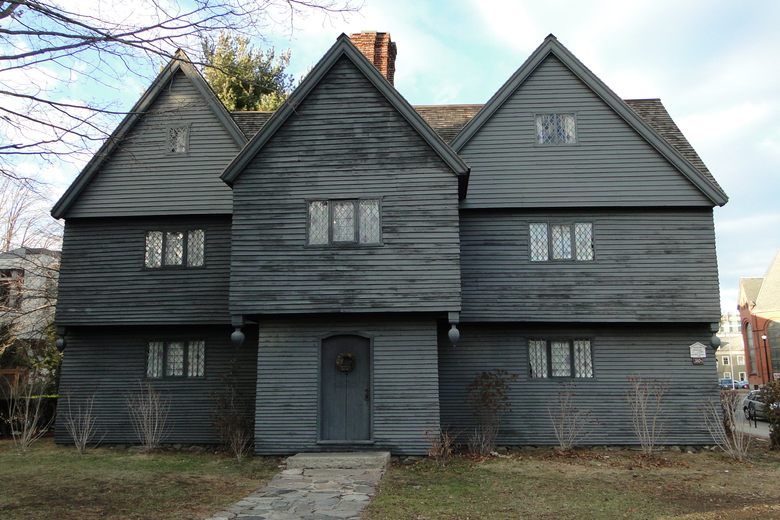
Standing as a silent witness to one of the darkest chapters in American colonial history, the black-gabled residence at the corner of Essex and North Streets is a rare survivor. While many sites in the region claim a connection to the hysteria of the late 17th century, this structure is the only one remaining in the city with a verified link to the events of 1692.
It was not a site of imprisonment, but rather the private home of a man who held the power of life and death over his neighbors.
Why It Stands Out
Purchased in 1675 by Jonathan Corwin, a prominent magistrate and civic leader, the house remained his primary residence for over forty years. Corwin was a key figure in the legal proceedings that gripped the region between 1692 and 1693.
After another judge resigned in protest, Corwin stepped in to serve on the Court of Oyer and Terminer. This was the body responsible for convicting nineteen individuals who were subsequently sent to the gallows for refusing to confess to witchcraft.
The legal logic of the time relied heavily on "spectral evidence," where visions and dreams were treated as admissible proof of guilt. Accusers claimed that malignant particles could be thrown from the eyes of a witch to cause physical harm.
Today, the house operates as a museum that preserves the atmosphere of 17th-century life, offering a stark look at the domestic environment of the man who investigated these supernatural claims. A similar historical atmosphere can be found at the Edgar Allan Poe National Historic Site.
Corwin himself is buried a short walk away in the Broad Street Cemetery, but his home remains a physical anchor to a period when over 200 people were accused of diabolical acts. Those interested in historic burial grounds might also appreciate Mount Moriah Cemetery.
Before You Go
The museum provides a window into the daily existence of a wealthy colonial family, but the experience changes drastically depending on the season. If you plan to visit during the month of October or around Halloween, prepare for significant crowds. Salem becomes a major destination during this time, and finding a place to park can be nearly impossible, even on weekdays.
Arriving early is essential if you want to secure a spot and explore the grounds before the peak tourist rush.
Questions worth answering
Is this where the trials actually happened?
No one was tried or jailed here. This was the private residence of Judge Jonathan Corwin, who lived in the house for forty years and presided over the legal proceedings.
What kind of atmosphere should we expect?
The vibe is historic and heavy. It's a dark-timbered, black-gabled building that serves as a museum for seventeenth-century domestic life and the legal logic used to convict nineteen people.
How do we handle a visit in October?
Parking is nearly impossible during the Halloween season. If you come during that month, show up early in the day even on a Tuesday or Wednesday.
Who lived here during the trials?
Jonathan Corwin, a local magistrate who served on the Court of Oyer and Terminer, called this house home for forty years. He was a central figure in the 1692 proceedings that resulted in nineteen people being sent to the gallows.
More in Northeast
All Northeast places →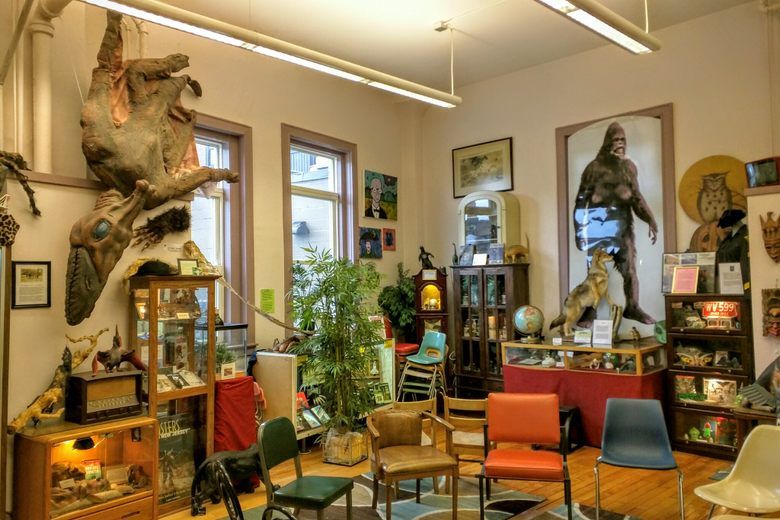
International Cryptozoology Museum
Portland, Maine
This one-of-a-kind institution houses a massive archive of evidence for animals that science has yet to verify, from legendary forest giants to deep-sea mysteries.
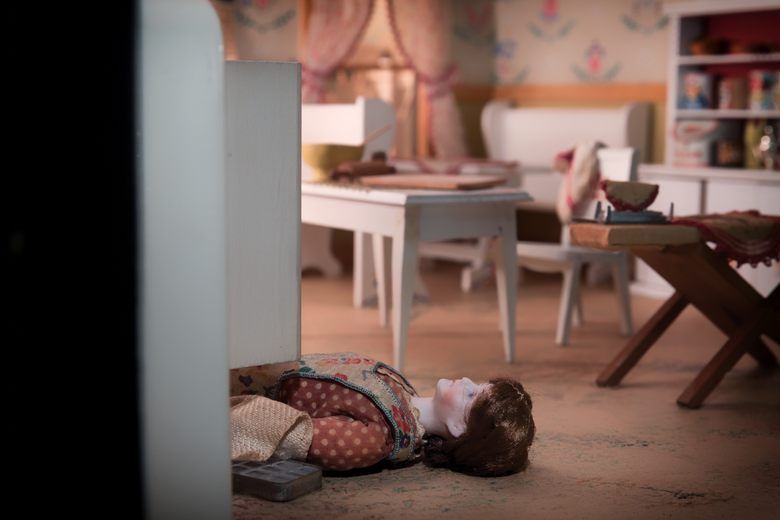
Nutshell Studies of Unexplained Death
Baltimore, Maryland
These 18 dollhouse-sized death scenes were crafted with obsessive detail to train investigators. They remain vital forensic tools decades after their creation by a pioneering socialite.
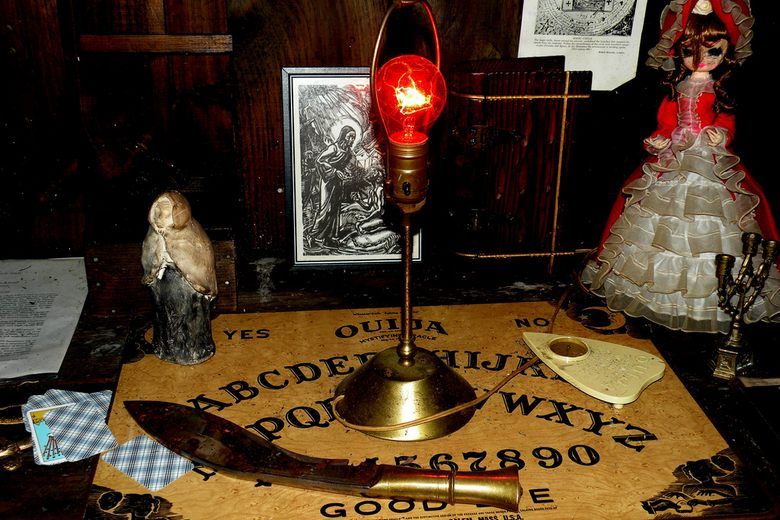
The Warrens’ Occult Museum
Monroe, Connecticut
This basement archive houses the cursed relics of Ed and Lorraine Warren’s career, ranging from the notorious Annabelle doll to artifacts from the Amityville and Conjuring hauntings.