Philadelphia Medical History
Mütter Museum: Einstein’s Brain and Medical Marvels
Philadelphia, Pennsylvania, United States
By the Wicked Cool Places editors · Published · Updated
Why it’s cool
This Philadelphia landmark preserves the most famous anatomical anomalies in history, from the remains of Albert Einstein to thousands of items retrieved from human throats.
Walking through the doors of the College of Physicians of Philadelphia feels like entering a meticulously preserved 19th-century laboratory. Since 1858, this institution has served as a repository for the strange, the tragic, and the scientifically significant, housing its collection in the same elegant Victorian cabinets that have guarded these specimens for over a century.
Why It Stands Out
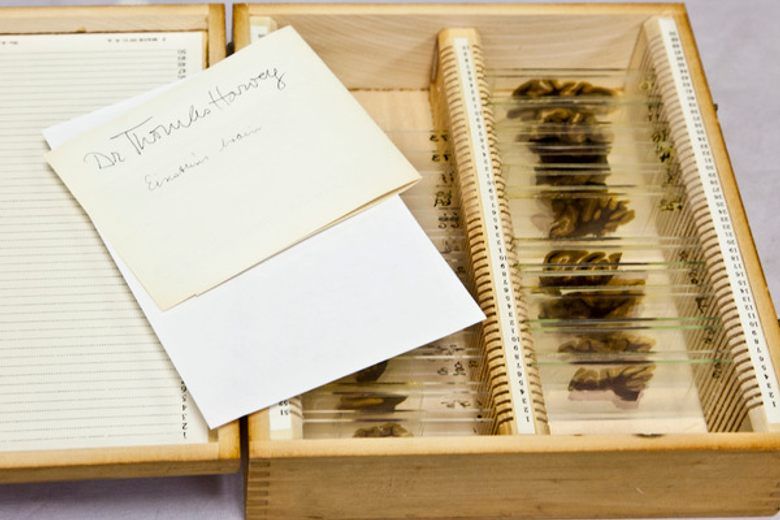
The museum’s most famous resident is arguably the 20th century’s greatest mind. Visitors can view dozens of thin slices of Albert Einstein’s brain, mounted on microscope slides.
These fragments were surreptitiously saved by pathologist Thomas Harvey, who hoped to unlock the secret of the physicist's genius. Decades later, researchers discovered that Einstein’s brain possessed unique structural features, such as a shorter Sylvian fissure and a high density of glial cells, which may have contributed to his extraordinary spatial and mathematical abilities.
These slides eventually found a permanent home here in 2011 after being donated by neuropathologist Lucy Rorke-Adams. Those interested in anatomical curiosities might also enjoy Woolly Mammoth Antiques and Oddities.
Beyond the brain, the galleries showcase a haunting array of human biology. You will encounter the skeleton of Harry Eastlack, whose body was slowly encased in bone due to a rare condition that turns soft tissue into a second skeleton.
Nearby sits the "Soap Lady," a 19th-century woman whose body transformed into a waxy, soap-like substance during decomposition. The museum also houses the Chevalier Jackson collection, a fascinating and slightly terrifying archive of over 2,000 objects, ranging from buttons to safety pins, that were surgically removed from patients' airways.
From the death cast of the original "Siamese Twins" to intricate wax models used for historical medical training, the collection offers a profound look at the complexity of the human form. Nearby, the Edgar Allan Poe National Historic Site offers another look at the city's darker history.
Before You Go
The galleries are accessible to the public every day of the week, with hours running from ten in the morning until five in the evening. While the museum is open to all ages, children must be accompanied by an adult.
Please be aware that photography of the specimens is strictly prohibited to maintain the dignity of the remains.
Questions worth answering
What's the story with Einstein's brain?
Thomas Harvey kept parts of the physicist's mind for study before they arrived here in 2011. You'll see dozens of thin sections mounted on slides inside the gallery.
Are there any specific medical cases we shouldn't miss?
Harry Eastlack's skeleton is on display, showing how his tissue turned to bone. You can also see the Soap Lady, whose remains became waxy after she was buried.
Can we take photos of the specimens?
We don't allow cameras or phones to capture the remains. It's a rule meant to respect the dignity of the collection.
When is the museum open for a visit?
The doors stay open every day from 10 a.m. until 5 p.m. If you're bringing minors, they'll need an adult with them.
More in Northeast
All Northeast places →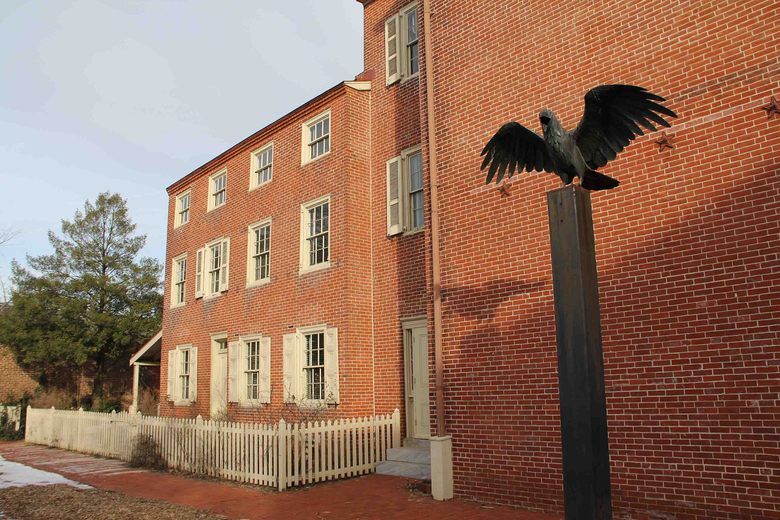
Edgar Allan Poe National Historic Site
Philadelphia, Pennsylvania
Visitors can descend into the very basement that likely provided the architectural inspiration for the gruesome ending of "The Black Cat" and listen to celebrity readings of Poe's work.
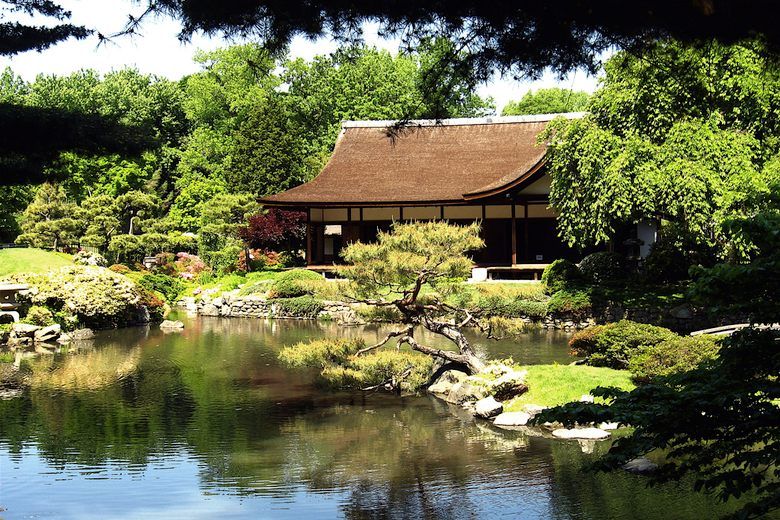
Shofuso Japanese House and Garden
Philadelphia, Pennsylvania
This authentic shoin-zukuri villa traveled from Nagoya to New York's MoMA before finding its permanent home in Philadelphia, offering a rare look at traditional Japanese architecture and modern Nihonga murals.
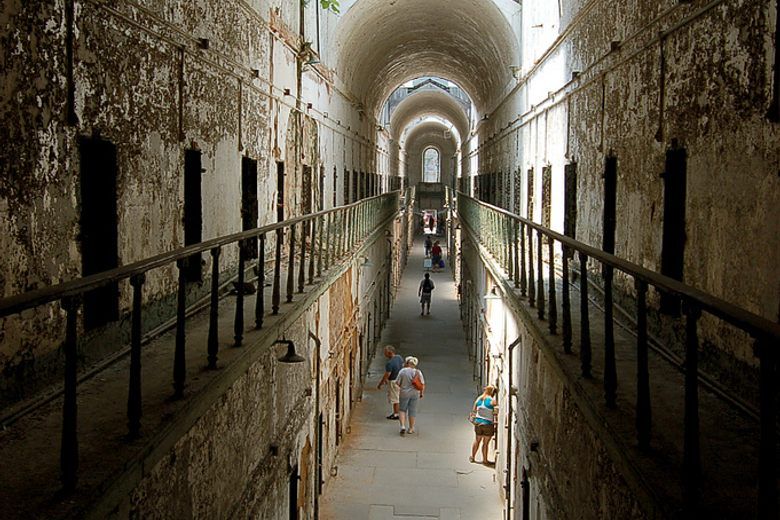
Eastern State Penitentiary
Philadelphia, Pennsylvania
This massive stone fortress pioneered the penitentiary model, trading physical brutality for absolute silence and isolation. While it offered modern luxuries like private toilets, its psychological toll was so severe it famously horrified Charles Dickens.