Fredericksburg's Forgotten Realm
Virginia Renaissance Faire: The Decaying Kingdom of Fredericksburg
Fredericksburg, Virginia, United States
By the Wicked Cool Places editors · Published · Updated
Why it’s cool
This site offers a surreal glimpse into a short-lived medieval dream, where Tudor-style skeletons and wooden towers slowly surrender to the encroaching Virginia wilderness.
Deep in the woods of Fredericksburg, a strange intersection of history and failed ambition sits quietly rotting under the forest canopy. While Virginia is no stranger to colonial ruins and Civil War landmarks, this particular site offers a different kind of decay.
It is the skeletal remains of a dream, a failed attempt to establish a permanent Renaissance festival that never quite took root. Today, the site serves as a silent monument to a vision of medieval nerdery that the wilderness has begun to systematically dismantle.
Why It Stands Out
What makes this location compelling is the sheer surrealism of finding faux-medieval architecture in the middle of a dense Virginia forest. These aren't the stone ruins of Europe, but rather the weathered timber and plaster remnants of a modern festival ground.
The site captures a unique moment where high-concept entertainment met an untimely end, leaving behind a ghost town of Tudor-inspired storefronts and performance stages. As the forest floor rises to meet the sagging roofs, the line between the artificial kingdom and the natural world blurs.
It is a striking visual reminder of how quickly human projects can be overtaken by the environment once they are left behind. The forest similarly consumes the Gothic architecture of Mount Moriah Cemetery.
The structures, though built for joy and performance, now carry a heavy, atmospheric weight that draws in those fascinated by modern abandonment.
Before You Go
Tucked away in the Fredericksburg area, the remains are hidden deep within a wooded plot. Since this is a site defined by its failure and subsequent neglect, do not expect paved paths or maintained facilities.
The journey into the woods requires a bit of navigation, and the structures themselves are in various states of collapse. Visitors should exercise caution around the rotting wood and overgrown paths.
It is a place meant for those who appreciate the quiet, eerie beauty of a forgotten project being reclaimed by the earth. Other wooded ruins like The Witch’s Castle offer a similar atmosphere.
Questions worth answering
What's actually left to see in these woods?
You'll find the skeletal remains of Tudor-style storefronts and performance stages from a failed Renaissance festival. These timber and plaster structures are currently being dismantled by the Virginia wilderness, creating a strange intersection of fake history and real decay.
How difficult is it to reach the ruins?
The site is hidden deep within a wooded plot in Fredericksburg and lacks paved paths or maintained facilities. You'll need to navigate through the forest and exercise caution around rotting wood and structures in various states of collapse.
Does this feel like a typical historical landmark?
Not at all. It's a hidden gem defined by its failure and neglect, carrying a heavy, atmospheric weight rather than the preserved feel of Virginia's colonial or Civil War sites.
Should we worry about the stability of the buildings?
We'd suggest keeping a distance from the structures. The timber and plaster are in various stages of collapse, and the forest floor is actively reclaiming the rotting wood.
More in Southeast
All Southeast places →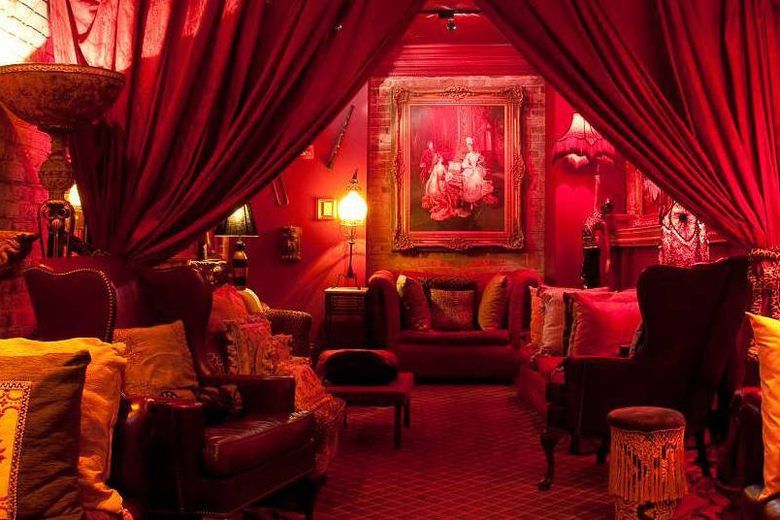
Séance Room at Muriel's Jackson Square
New Orleans, Louisiana
This French Quarter institution honors its resident spirit by setting a permanent table for him, complete with bread and wine, inside a building featuring a dedicated second-floor séance room.
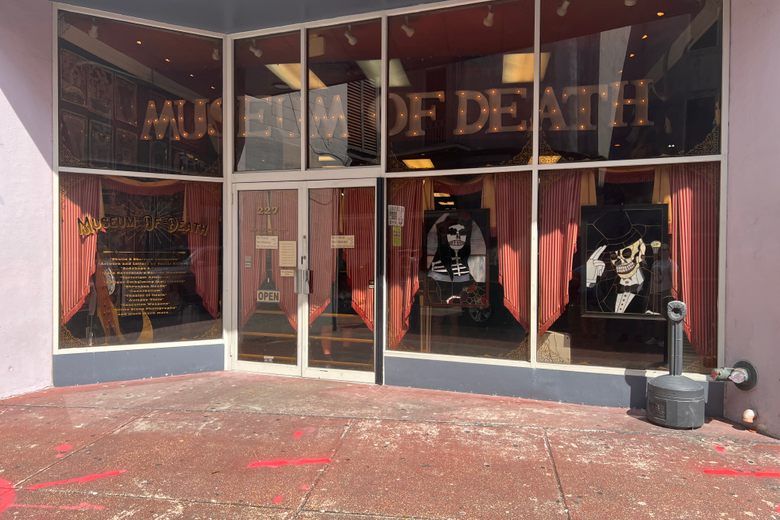
Museum of Death
New Orleans, Louisiana
This provocative collection challenges visitors to confront mortality through serial killer artifacts and graphic medical displays, rewarding those who faint with a commemorative t-shirt.
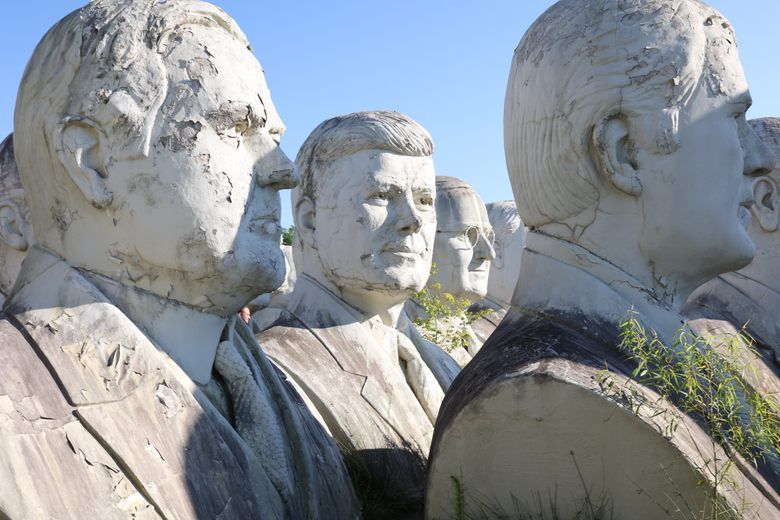
President Heads
Williamsburg, Virginia
Dozens of towering, 20,000-pound presidential busts stand in a state of eerie decay on a private farm, saved from destruction by a contractor who couldn't bear to crush the art.