Historic Florida Freshwater Lagoon
Venetian Pool: A Mediterranean Grotto Carved from Coral Rock
Coral Gables, Florida, United States
By the Wicked Cool Places editors · Published · Updated
Why it’s cool
This massive freshwater basin was carved from a 1920s coral quarry and features natural grottoes, scenic bridges, and a daily replenishment system using artesian spring water.
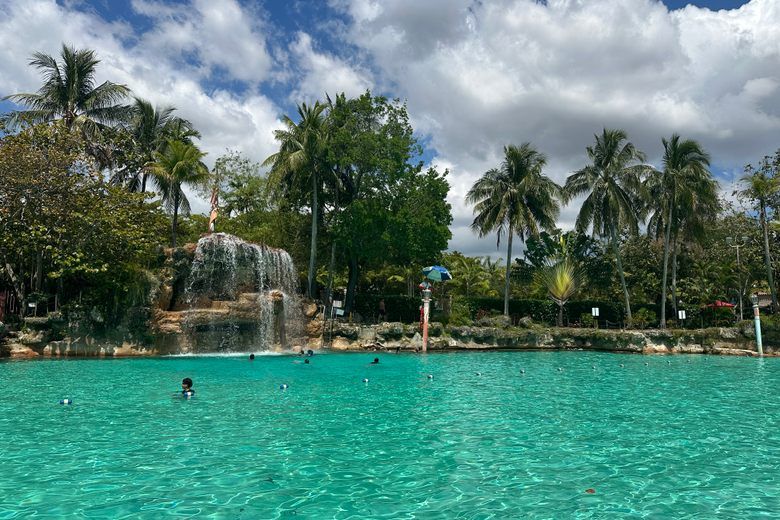
Hidden within the lush landscape of Coral Gables is a swimming destination that feels more like a Venetian lagoon than a Florida public works project. Carved out of an abandoned coral rock quarry in 1924, the Venetian Pool represents a grand vision of Mediterranean elegance brought to life by developer George Merrick, architect Phineas Paist, and artist Denman Fink.
What began as a "Venetian Casino" has evolved into the largest freshwater swimming hole in the United States, defined by its jagged limestone edges and crystal-clear artesian water.
Why It Stands Out
The pool’s design is a masterclass in atmospheric architecture. Swimmers can navigate through natural grotto caves or admire the scenic bridge that spans the water.
While the original plans for gondola mooring posts were eventually abandoned, the site retains its Old World charm through its limestone structures and a historical entryway gallery filled with archival photographs. What truly sets the Venetian Pool apart is its relationship with the local environment.
During the peak heat of the year, the massive basin is drained and replenished on a daily basis to ensure the water remains crisp. Originally, this water came directly from artesian springs, but modern conservation efforts now cycle the water back into the aquifer, utilizing a natural filtration process to protect the local water table.
This unique feature, the ability to completely empty the pool, has led to some unconventional uses over the last century. When the water is gone, the quarry’s natural acoustics turn the pool floor into a concert hall.
In 2001, a symphony performance was held right on the basin floor to celebrate the city's 75th anniversary. Historically, the pool was a magnet for the silver screen and high society, hosting stars like Esther Williams and Johnny Weismuller.
Its cultural and architectural significance eventually earned it a spot on the National Register of Historic Places.
Before You Go
The site is currently undergoing a major restoration project that began in October 2024. It is slated to welcome visitors back in the Fall of 2025.
When operational, the pool is a popular escape from the Miami heat, often reaching its maximum capacity before the lunch hour. Non-resident adults can expect to pay $23 for entry, while local residents receive a discounted rate of $7.
Because operating hours shift with the seasons, it is best to verify the current schedule on the official city website before planning your trip.
Questions worth answering
When can we actually get in for a swim?
The pool's currently closed for a major restoration project that started in October 2024. We're expecting it to reopen to the public in the Fall of 2025.
Is the water as clean as it looks?
It's a massive freshwater basin that gets drained and replenished daily with artesian spring water. Modern conservation efforts now cycle that water back into the aquifer through a natural filtration process.
What's the best time to arrive to avoid being turned away?
Get there well before the lunch hour. The pool hits maximum capacity quickly, especially during the summer, and they'll stop selling tickets the moment it's full.
Where did the idea for this place come from?
It started as an abandoned coral rock quarry in 1924 before George Merrick and his team turned it into a Mediterranean-style lagoon. We used a report from the Venetian Pool as a starting point and built our own editorial from there.
More in Southeast
All Southeast places →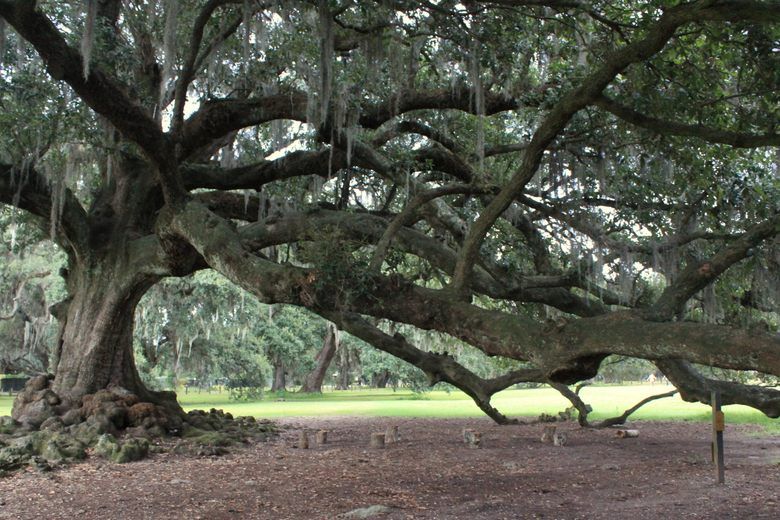
The Tree of Life
New Orleans, Louisiana
This centuries-old live oak offers massive, climbable limbs and a secret vantage point into the neighboring zoo's giraffe habitat.
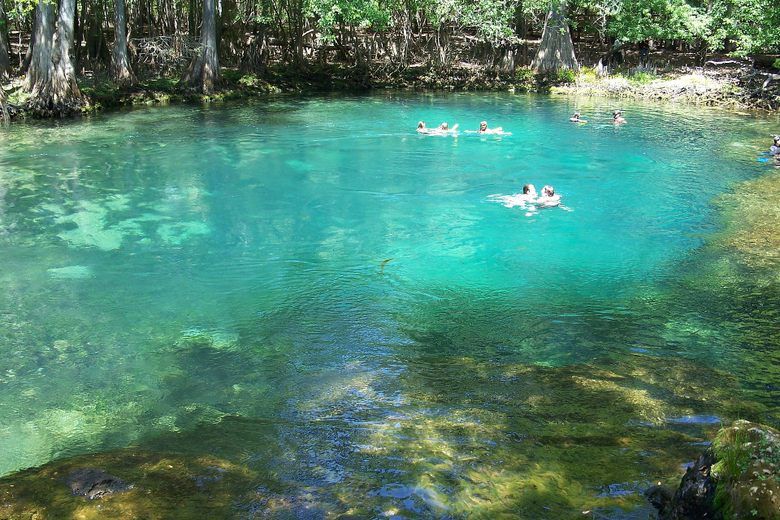
Manatee Springs State Park
Chiefland, Florida
Each winter, this first-magnitude spring becomes a vital thermal sanctuary for manatees seeking warmth. Visitors can witness these gentle giants grazing on river grasses or explore the massive underwater cave systems that feed the crystal-clear run.
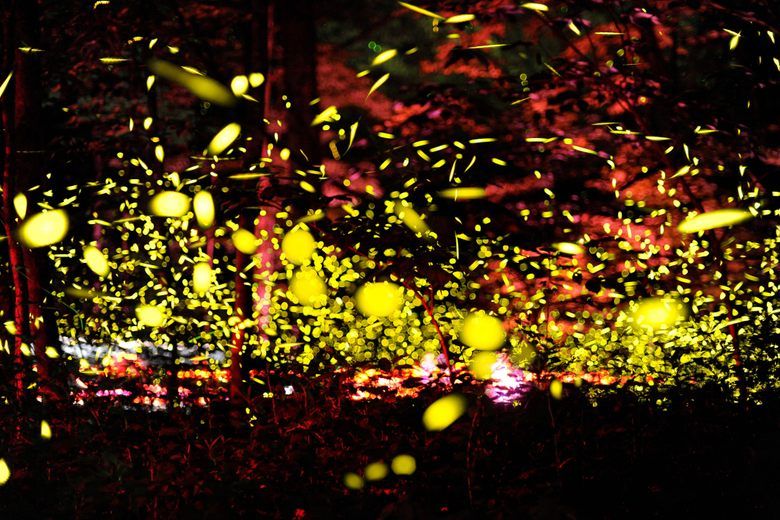
Synchronous Fireflies of the Great Smoky Mountains
Gatlinburg, Tennessee
These rare Appalachian beetles coordinate their bioluminescent displays to pulse and fade in total unison, turning the Tennessee forest into a rhythmic, glowing masterpiece for just a few nights each year.