Philadelphia Cultural Landmark
Shofuso Japanese House: A Postwar Gift of Serenity in Fairmount Park
Philadelphia, Pennsylvania, United States
By the Wicked Cool Places editors · Published · Updated
Why it’s cool
This authentic shoin-zukuri villa traveled from Nagoya to New York's MoMA before finding its permanent home in Philadelphia, offering a rare look at traditional Japanese architecture and modern Nihonga murals.
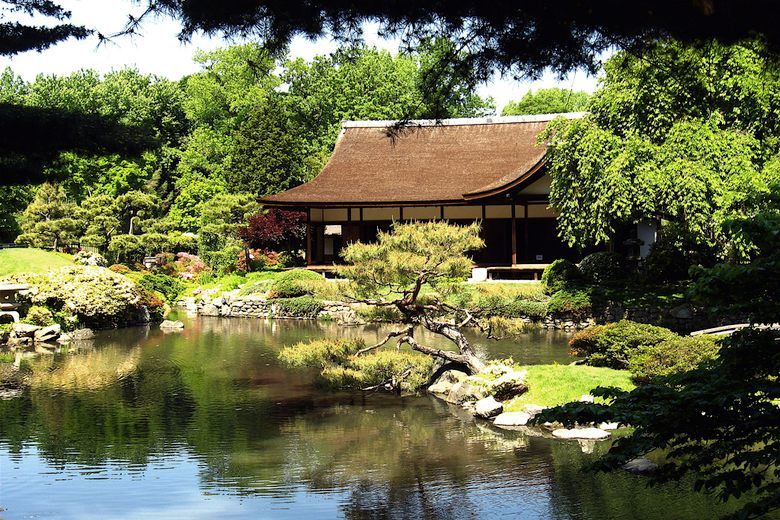
Hidden within the greenery of West Fairmount Park, the Shofuso Japanese House and Garden serves as a tranquil bridge between Philadelphia and Nagoya. Known as the "Pine Breeze Villa," this structure is a rare example of shoin-zukuri architecture, modeled after a 17th-century temple guest house.
While it feels deeply rooted in its riverside environment, the house actually arrived in the city as a traveler, following a journey that included a high-profile stint in a New York museum courtyard.
Why It Stands Out
The history of this site predates the current house; it sits adjacent to the grounds of the very first Japanese garden established in North America for the 1876 Centennial Exposition. After a 1955 fire destroyed a historic temple gate that previously occupied the lot, the city found a replacement in an unlikely place.
Architect Junzō Yoshimura had designed Shofuso for a 1954 exhibition at the Museum of Modern Art called "House in the Garden." Following the show, the building, a gift from Japan to foster postwar cultural exchange, was dismantled and moved to Philadelphia, opening to the public in 1958. Today, the villa is renowned for its authentic construction, including a rare hinoki bark roof made from Japanese cypress.
Inside, the atmosphere is defined by twenty contemporary murals donated by Nihonga painter Hiroshi Senju in 2007. These works, which depict cascading waterfalls, replaced original screens lost to 1970s vandalism and represent the only instance of this specific artistic style permanently installed outside of Japan.
The city is also home to Philadelphia's Magic Gardens, another site defined by unique artistic installations.
Before You Go
The site operates as a traditional space, meaning visitors must adhere to specific etiquette. While shoes are necessary for wandering the tea garden and viewing the koi pond, they must be removed before entering the house.
You are required to wear socks or stockings inside the villa; bare feet are not permitted, though disposable coverings are typically available for those who arrive unprepared. Access is straightforward from Center City via the Philly Phlash or the Indego bike share program.
Nearby, travelers can also visit the Edgar Allan Poe National Historic Site.
Questions worth answering
What should I know about the house's history before visiting?
This villa wasn't always here. It was built for a 1954 MoMA exhibition before traveling from New York to its current spot in Fairmount Park.
Is there a specific dress code for the interior?
You'll need to leave your shoes at the door. We require socks or stockings inside the house, so don't show up with bare feet.
What makes the artwork inside significant?
The villa contains twenty murals by Hiroshi Senju that show falling water. These are the only permanent Nihonga works of their kind located outside Japan.
How did this project get started?
We took our own editorial from there, but the site's history began as a gift from Japan meant to encourage cultural exchange after the war.
More in Northeast
All Northeast places →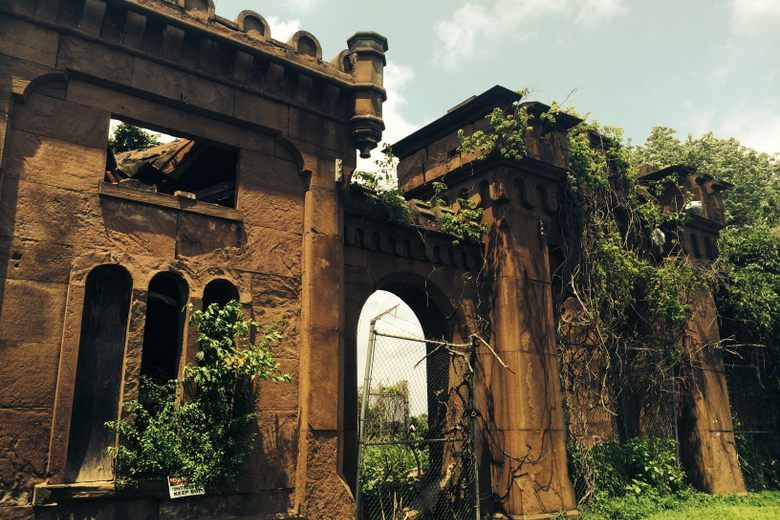
Mount Moriah Cemetery
Philadelphia, Pennsylvania
This sprawling Victorian burial ground was left without an owner for years, allowing a massive forest to consume its ornate Gothic tombs and grand Romanesque architecture.
Eastern State Penitentiary
Philadelphia, Pennsylvania
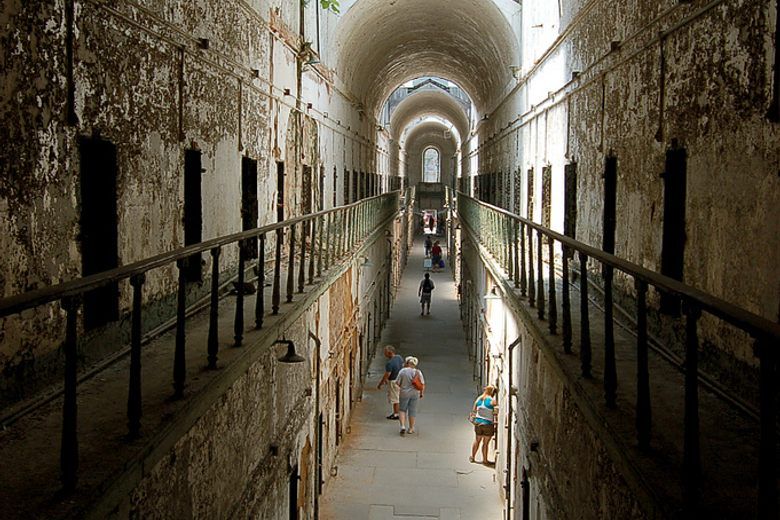
This massive stone fortress pioneered the penitentiary model, trading physical brutality for absolute silence and isolation. While it offered modern luxuries like private toilets, its psychological toll was so severe it famously horrified Charles Dickens.
Wagner Free Institute
Philadelphia, Pennsylvania
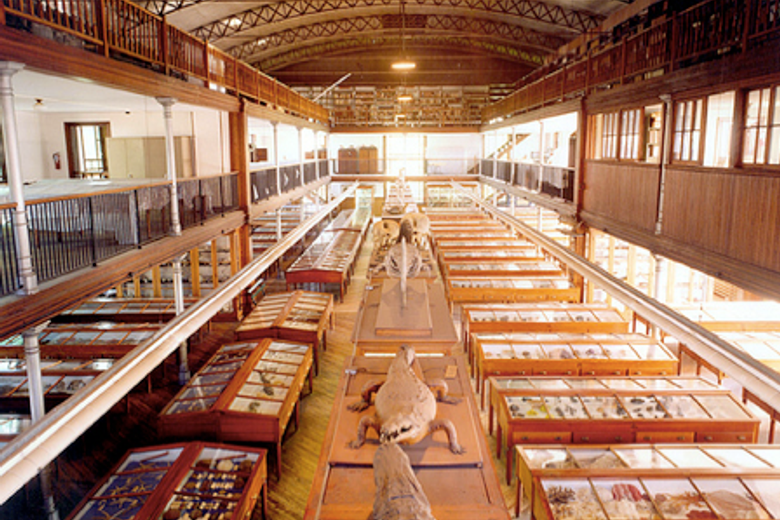
This Victorian science museum has remained virtually untouched since 1891, offering a rare look at natural history through original rosewood cases and Darwinian-inspired arrangements.