Subterranean Seattle History
Seattle Underground: The Sunken Streets of Pioneer Square
Seattle, Washington, United States
By the Wicked Cool Places editors · Published · Updated
Why it’s cool
This subterranean labyrinth preserves the original street level of the city, offering a glimpse into 19th-century storefronts and alleyways that were literally entombed when the modern city was built one story higher.
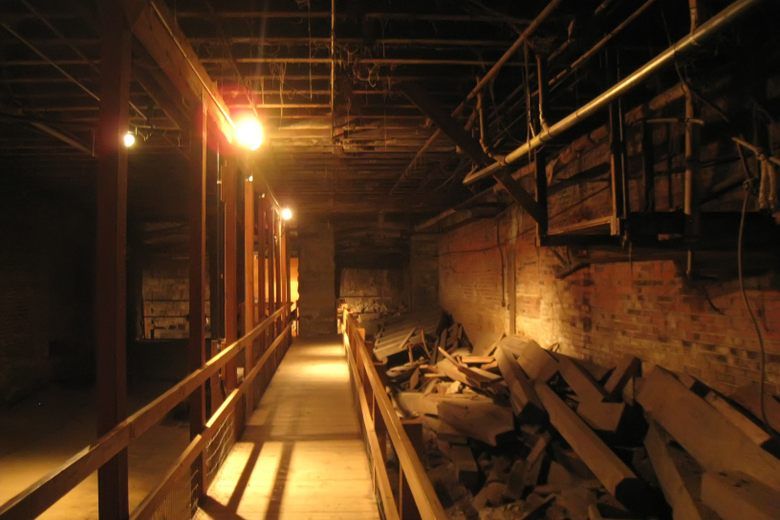
Tucked away beneath the bustling sidewalks of Pioneer Square lies a world that time, and urban planning, nearly erased. This site is a unique part of the Pacific Northwest history.
Following a catastrophic blaze in 1889, Seattle didn't just rebuild; it ascended. What remains today is a network of subterranean passages that once served as the primary thoroughfares of a fledgling logging town, now frozen in a state of permanent twilight.
Why It Stands Out
The story of the underground began with a disaster. A cabinetry shop accident involving a glue pot sparked a fire that leveled 31 blocks of timber-framed buildings.
When the city decided to rebuild, they didn't just swap wood for stone; they chose to solve their drainage problems by raising the street level out of the muddy tidelands. Workers built massive retaining walls and filled them with earth, effectively burying the first floors of every building in the district.
For years, these lower levels remained active via ladders and stairs, but they were eventually condemned and abandoned to the city's underbelly, becoming home to illicit businesses and forgotten history. It wasn't until the mid-20th century that local advocate Bill Speidel campaigned to preserve this hidden layer of the city.
Today, visitors can navigate through three blocks of this entombed neighborhood. The passages reveal a hauntingly well-preserved look at the past, including the facades of old hotels, remnants of 19th-century shops, and a vintage saloon.
The atmosphere is thick with the scent of old brick and the echoes of a city that was literally built on top of its own past. Other cities also contain hidden subterranean passages like The Ramble Cave.
Before You Go
To access these tunnels, you must join a guided excursion. The most famous route departs from Doc Maynard’s Public House.
While waiting for your departure, take a moment to admire the landmarks of Pioneer Place Park, specifically the ornate glass and cast-iron pergola from 1909 and the massive totem pole that stands nearby. Wear comfortable walking shoes, as the terrain below ground can be uneven.
Questions worth answering
How did these streets end up below the sidewalk?
After an 1889 fire destroyed 31 blocks of timber structures, the city raised the ground level to fix drainage issues. They built retaining walls and filled them with dirt, which left the original first floors buried beneath the new roads.
What can I expect to see in the tunnels?
The three-block route passes through the facades of 19th-century hotels and former storefronts. You'll also encounter a vintage saloon and remnants of alleys that served the town before it ascended.
Where do we meet to start the tour?
Head to Doc Maynard's Public House to begin. The meeting spot is near the 1909 cast-iron pergola and a large totem pole in Pioneer Place Park.
Is this a self-guided experience?
You can't wander down there alone. Access requires joining a guided excursion, which we've built our own editorial from there to help you navigate the find the original Bill Speidel route.
More in Pacific Northwest
All Pacific Northwest places →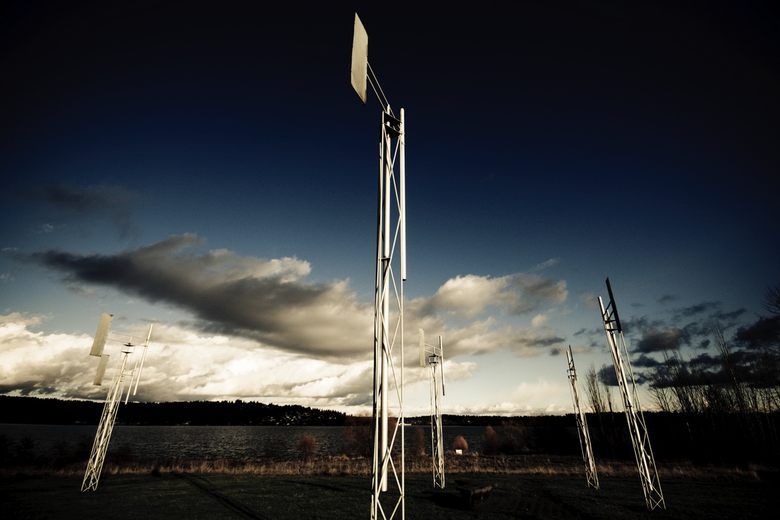
'A Sound Garden'
Seattle, Washington
This towering cluster of steel pipes transforms the breezes of Lake Washington into a haunting chorus of whistles and howls, providing the namesake for one of grunge's most iconic bands.
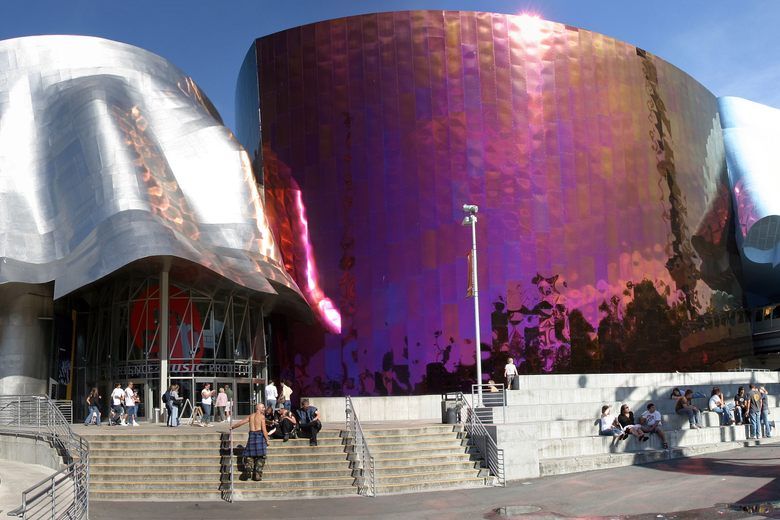
Museum of Pop Culture
Seattle, Washington
This sprawling 140,000-square-foot institution blends the legacy of Jimi Hendrix with deep dives into sci-fi and horror. Housed in a building nicknamed the Blob, it celebrates the diverse creative forces that define modern global culture.
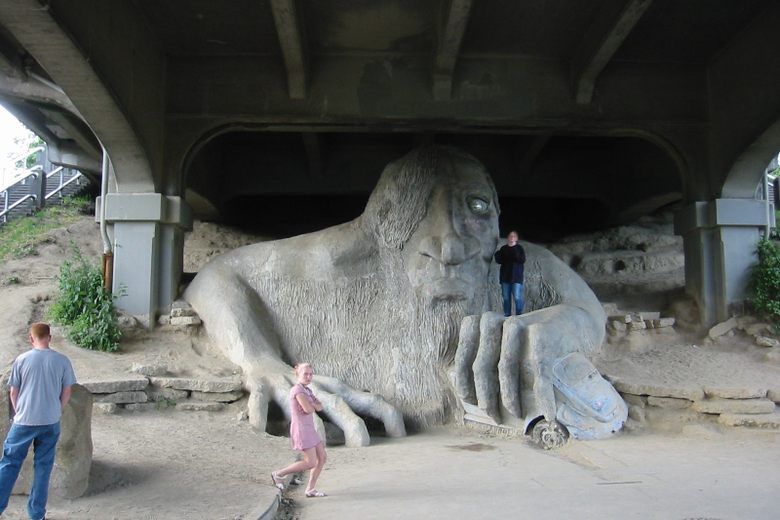
Fremont Troll
Seattle, Washington
This 18-foot concrete sculpture transformed a neglected underpass into a whimsical landmark where visitors are invited to scale the limbs of a bridge-dwelling beast.