Manhattan Waterfront History
Pier 54: The Rusted Archway of the Titanic’s Survivors
New York, New York, United States
By the Wicked Cool Places editors · Published · Updated
Why it’s cool
This skeletal iron archway marks the spot where the Carpathia delivered Titanic's survivors and where the Lusitania began its final, tragic voyage.
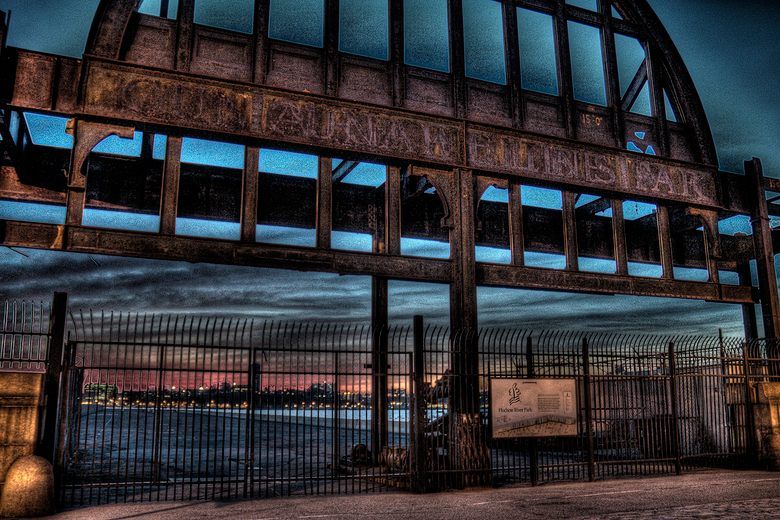
Standing as a skeletal sentinel along the Hudson River, a weathered iron frame is all that remains of a once-bustling maritime hub. While the luxury liners that once docked here are long gone, this specific stretch of the Manhattan waterfront holds the heavy memory of two of the 20th century's greatest maritime disasters.
Why It Stands Out
A century ago, the world’s eyes were fixed on this location. The RMS Titanic was originally scheduled to arrive at Pier 59, the White Star Line’s facility just a few blocks north.
Instead, the rescue ship Carpathia, operated by the rival Cunard Line, pulled into Pier 54 carrying the disaster's survivors. Before docking here, the Carpathia made a somber detour to Pier 59 to return the Titanic’s empty lifeboats to their owners.
When the ship finally reached Pier 54, it was met by thousands of anxious New Yorkers waiting in the rain for news of their loved ones. The SeaGlass Carousel is another aquatic-themed attraction found along the city's waterfront.
The pier’s tragic associations didn't end there. Only three years later, in 1915, the RMS Lusitania departed from this very spot.
Shortly after leaving New York, the ship was struck by a German torpedo off the Irish coast. The vessel sank with terrifying speed, claiming nearly 2,000 lives and helping to draw the United States into World War I.
Today, the site has been transformed into part of the Hudson River Park system. The historic iron archway, still bearing the faint, rusted silhouettes of the "Cunard White Star" lettering, now serves as a gateway to Little Island, a modern floating park.
The Roosevelt Island Smallpox Hospital Ruins are another example of skeletal historic structures preserved in the city.
Before You Go
The entrance to the pier is located near the intersection of West 13th Street and 12th Avenue. To reach the historic archway, visitors must cross the busy West Side Highway.
The structure is now integrated into the South Bridge entrance of the Little Island public space, providing a stark, industrial contrast to the lush greenery of the newer installation.
Questions worth answering
What's the actual significance of this rusted frame?
It marks the exact spot where the Carpathia brought those who survived the Titanic disaster. The Lusitania also left from this dock before its final journey ended in the Atlantic.
How do we find the entrance?
Head toward the corner of West 13th Street and 12th Avenue. You'll need to walk across the West Side Highway to reach the iron structure.
What's the atmosphere like at the site today?
The industrial metalwork provides a sharp edge to the nearby greenery of Little Island. It's a waterfront location that feels heavy with history despite the modern park next door.
What's the connection between this pier and the Lusitania?
The Lusitania left from this exact location in 1915 for its final journey. It was hit by a German torpedo near Ireland shortly after, an event that pushed the United States toward entering World War I.
More in Northeast
All Northeast places →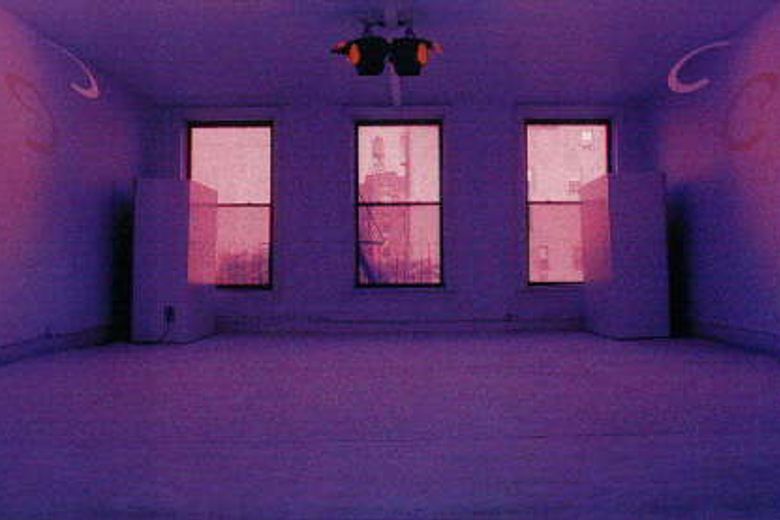
Dream House
New York, New York
This immersive environment transforms movement into melody, blending neon pink visuals with complex sound waves. It is the life's work of a visionary artistic duo, offering a meditative escape from Manhattan's chaos.
Mysterious Bookshop
New York, New York
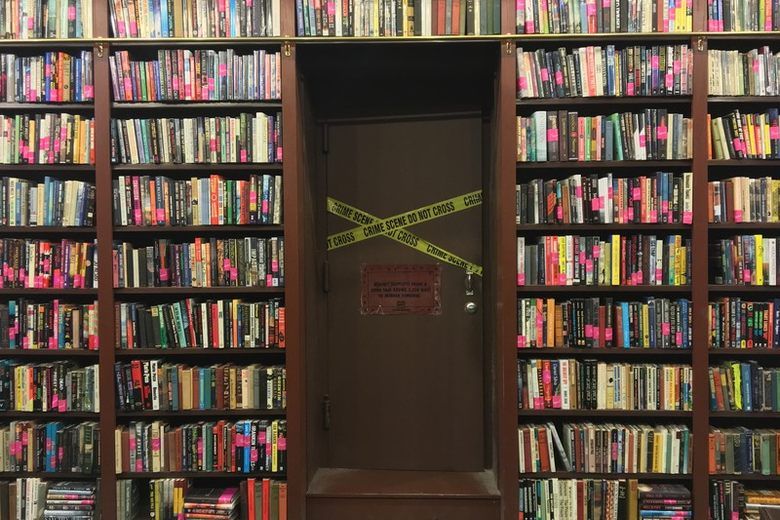
This Tribeca landmark is the world’s oldest and largest bookstore specializing exclusively in mystery and crime fiction. It serves as a serious sanctuary for fans of thrillers, curated by one of the genre's most influential figures.
Roosevelt Island Cat Sanctuary
New York, New York
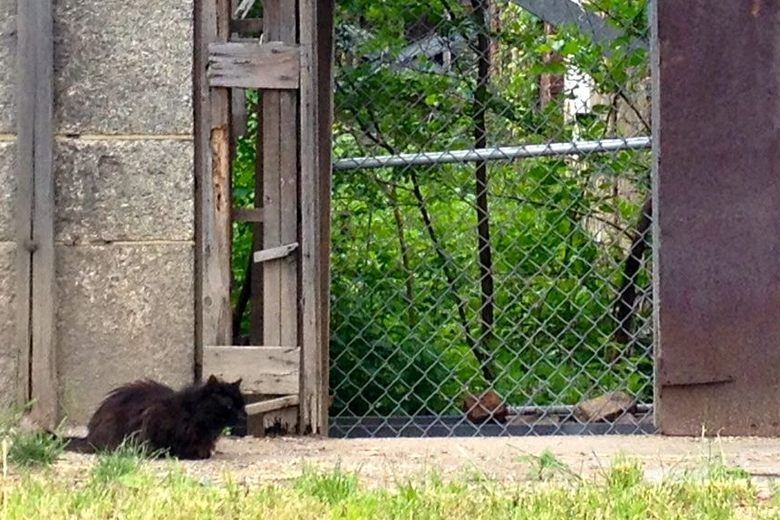
A community-led rescue effort transformed a population of abandoned strays into a well-tended colony living among the island's iconic architectural ruins.